

 MOST BOOKEDeasy1 Days | 0 Nights
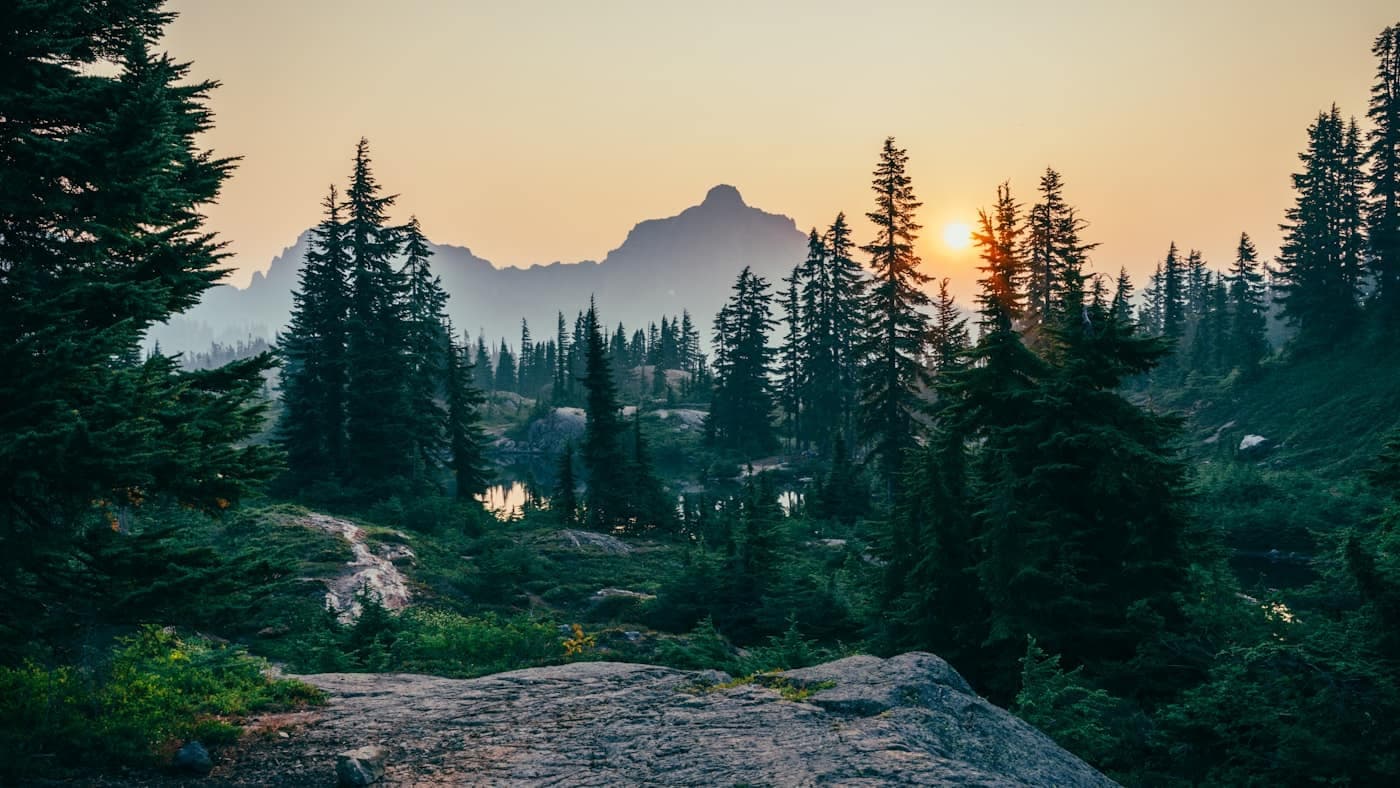
1D Bijli Mahadev Trek from Kullu, Himachal Pradesh — guided Himalayan experience with India Holiday Destinations.
GuideMealsPermits
₹6,799
₹4,299
37% OFFEMI starting at ₹1,433/monthi
Explore India's Most Incredible Treks
+91 89887 69444
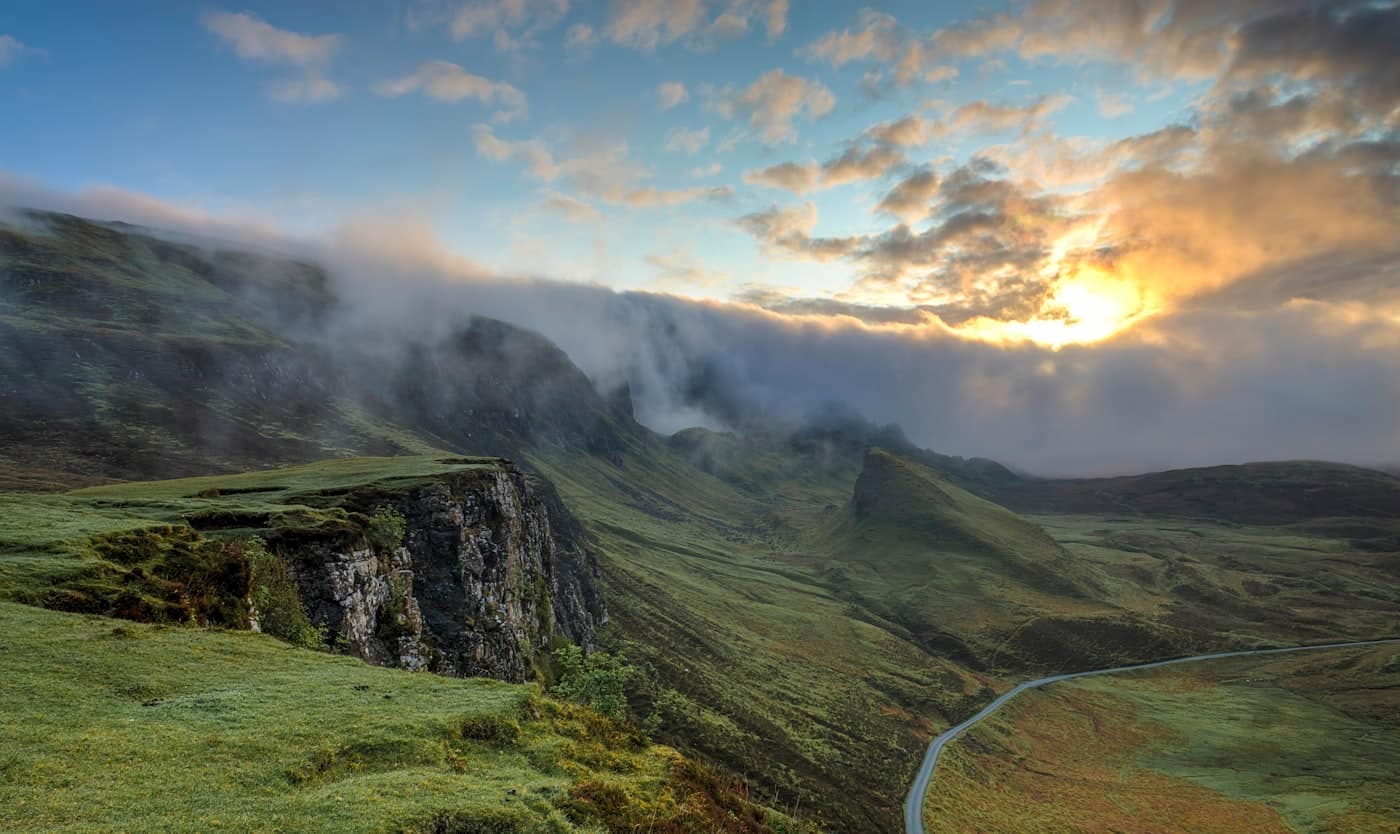
2D/1N Malana Trek from Kullu, Himachal Pradesh — guided Himalayan experience with India Holiday Destinations.
From
₹7,599/person
Inclusive of all taxes
Secure your spot with just 25% advance
Malana Trek is a carefully curated Himalayan trek based around Kullu in Himachal Pradesh. Rated moderate with a 2D/1N itinerary, this journey balances scenic walking, safe camping or homestays, and memorable mountain views. India Holiday Destinations handles permits, experienced local guides, meals on trek, and logisti…
Chandrakhani–Malana Trek Experience
02:45
Day-by-day plan for Chandrakhani–Malana Trek
The trek opens quietly in Naggar, the old Kullu capital where a 15th-century castle of deodar and stone still looks down over the Beas river. After a short drive to the trailhead near Rumsu village, the group shoulders daypacks and enters a hushed corridor of deodar and horse-chestnut trees, the path underfoot cushioned with fallen needles and dappled by early light. Rumsu itself is a cluster of slate-roofed homes with a small temple to Jamlu Devta, the deity whose jurisdiction extends, in local belief, all the way to Malana across the ridge. Leaving the village, the trail steepens into a series of long switchbacks that climb through mixed oak and rhododendron, and the Kullu valley begins to unspool below in tiers of terraced barley fields and apple orchards. Trekkers pause often here, less from fatigue than from the widening view: the Beas snaking silver through the valley floor, and the snow-streaked wall of the Pir Panjal rising beyond Manali to the north. As the forest thins near Fatru, the air turns noticeably cooler and pine gives way to birch and juniper scrub. Fatru camp sits on a broad grassy shoulder just below the ridgeline, used for generations by Gaddi shepherds moving their flocks between summer and winter pastures, and stone cairns and old fire rings mark the site's long history as a resting point. Tents are pitched with unobstructed views toward the Chandrakhani ridge that tomorrow's climb will follow, and as dusk settles, the temperature drops sharply enough that down jackets come out for the first time. Dinner is served hot around a communal fire, with the guide outlining tomorrow's pass crossing and sharing stories of Malana's fiercely guarded autonomy. It is an easy first night to fall asleep under, the silence broken only by wind moving through the junipers and the occasional bell of a grazing mule somewhere below the campsite.
Lunch, Evening Tea, Dinner
Camp
deodar and oak forest, stone-paved village lanes, switchback ridge trail
Available
This is the defining day of the traverse, and it begins in cold half-light with a steady climb out of Fatru along a bare, wind-scoured ridge. Trees vanish within the first hour, replaced by low juniper and cushions of alpine flowers clinging to rocky ground, and the trail narrows to a track worn by centuries of shepherds and traders moving between the Kullu and Malana valleys. As height is gained, the panorama becomes genuinely vast: Deo Tibba and the Indrasan massif stand to the northeast, while the deep trench of the Parvati valley opens to the south. The pass itself, Chandrakhani, is marked by a modest cairn strung with faded prayer flags, and on a clear morning the 360-degree view is one of the finest in the Kullu region, taking in ridgelines that fold away toward Manikaran and beyond. The descent that follows is abrupt and demands full attention, dropping through loose scree and shepherd trails into a narrowing gorge where the vegetation returns in stages — first scrub, then birch, then finally the terraced fields that announce Malana. The village appears almost without warning, its houses of timber and slate stacked steeply above the Malana nala, and visitors are asked to observe strict local etiquette: no touching of walls, temple structures, or residents, in keeping with Malana's self-governing tradition and its parliament system, the Kanashi, said to answer only to Jamlu Devta. A guesthouse room or a simple stone-built lodge is arranged for the night, and the evening is spent absorbing the unusual atmosphere of a village that has, by choice and geography, remained apart from the rest of the valley for generations. The Malana Hydel Project's turbine hum is audible in the background, an odd counterpoint to the village's ancient customs. Dinner conversation invariably turns to Malana's reputation and its unique dialect, Kanashi, unrelated to neighbouring languages.
Breakfast, Packed Lunch, Dinner
Guesthouse (Malana)
open ridgeline, alpine scrub, scree descent into the Malana nala
Available
Things to Carry
Level: Moderate fitness · Score 6/10
Prepare with regular walks and stair practice before Malana Trek.
Customer Reviews
FAQ
Experienced Trek Leaders
Safety First Approach
Quality Equipment
Sustainable Tourism
Local Support
First Aid Available
Premium Himalayan Adventure
Kullu, Himachal PradeshChandrakhani–Malana Trek
2D/1N Malana Trek from Kullu, Himachal Pradesh — guided Himalayan experience with India Holiday Destinations.
From ₹7,599/ person
Enquire Now4.7
24 reviews
11k ft
Max altitude
4D / 3N
Moderate
Difficulty
Moderate
Duration
4D / 3N
Best Season
spring, summer, autumn
Trek Distance
14 km
Max Altitude
11,000 Ft (3,353 M)
Group Size
8-12
Malana Trek is a carefully curated Himalayan trek based around Kullu in Himachal Pradesh. Rated moderate with a 2D/1N itinerary, this journey balances scenic walking, safe camping or homestays, and memorable mountain views. India Holiday Destinations handles permits, experienced local guides, meals on trek, and logisti…
Chandrakhani–Malana Trek Experience
02:45
Experienced Trek Leaders
Safety First Approach
Quality Equipment
Sustainable Tourism
Local Support
First Aid Available
Day-by-day plan for Chandrakhani–Malana Trek
The trek opens quietly in Naggar, the old Kullu capital where a 15th-century castle of deodar and stone still looks down over the Beas river. After a short drive to the trailhead near Rumsu village, the group shoulders daypacks and enters a hushed corridor of deodar and horse-chestnut trees, the path underfoot cushioned with fallen needles and dappled by early light. Rumsu itself is a cluster of slate-roofed homes with a small temple to Jamlu Devta, the deity whose jurisdiction extends, in local belief, all the way to Malana across the ridge. Leaving the village, the trail steepens into a series of long switchbacks that climb through mixed oak and rhododendron, and the Kullu valley begins to unspool below in tiers of terraced barley fields and apple orchards. Trekkers pause often here, less from fatigue than from the widening view: the Beas snaking silver through the valley floor, and the snow-streaked wall of the Pir Panjal rising beyond Manali to the north. As the forest thins near Fatru, the air turns noticeably cooler and pine gives way to birch and juniper scrub. Fatru camp sits on a broad grassy shoulder just below the ridgeline, used for generations by Gaddi shepherds moving their flocks between summer and winter pastures, and stone cairns and old fire rings mark the site's long history as a resting point. Tents are pitched with unobstructed views toward the Chandrakhani ridge that tomorrow's climb will follow, and as dusk settles, the temperature drops sharply enough that down jackets come out for the first time. Dinner is served hot around a communal fire, with the guide outlining tomorrow's pass crossing and sharing stories of Malana's fiercely guarded autonomy. It is an easy first night to fall asleep under, the silence broken only by wind moving through the junipers and the occasional bell of a grazing mule somewhere below the campsite.
Lunch, Evening Tea, Dinner
Camp
deodar and oak forest, stone-paved village lanes, switchback ridge trail
Available
This is the defining day of the traverse, and it begins in cold half-light with a steady climb out of Fatru along a bare, wind-scoured ridge. Trees vanish within the first hour, replaced by low juniper and cushions of alpine flowers clinging to rocky ground, and the trail narrows to a track worn by centuries of shepherds and traders moving between the Kullu and Malana valleys. As height is gained, the panorama becomes genuinely vast: Deo Tibba and the Indrasan massif stand to the northeast, while the deep trench of the Parvati valley opens to the south. The pass itself, Chandrakhani, is marked by a modest cairn strung with faded prayer flags, and on a clear morning the 360-degree view is one of the finest in the Kullu region, taking in ridgelines that fold away toward Manikaran and beyond. The descent that follows is abrupt and demands full attention, dropping through loose scree and shepherd trails into a narrowing gorge where the vegetation returns in stages — first scrub, then birch, then finally the terraced fields that announce Malana. The village appears almost without warning, its houses of timber and slate stacked steeply above the Malana nala, and visitors are asked to observe strict local etiquette: no touching of walls, temple structures, or residents, in keeping with Malana's self-governing tradition and its parliament system, the Kanashi, said to answer only to Jamlu Devta. A guesthouse room or a simple stone-built lodge is arranged for the night, and the evening is spent absorbing the unusual atmosphere of a village that has, by choice and geography, remained apart from the rest of the valley for generations. The Malana Hydel Project's turbine hum is audible in the background, an odd counterpoint to the village's ancient customs. Dinner conversation invariably turns to Malana's reputation and its unique dialect, Kanashi, unrelated to neighbouring languages.
Breakfast, Packed Lunch, Dinner
Guesthouse (Malana)
open ridgeline, alpine scrub, scree descent into the Malana nala
Available
Things to Carry
Level: Moderate fitness · Score 6/10
Prepare with regular walks and stair practice before Malana Trek.
Customer Reviews
FAQ
MOST BOOKEDeasy1 Days | 0 Nights1D Bijli Mahadev Trek from Kullu, Himachal Pradesh — guided Himalayan experience with India Holiday Destinations.
₹6,799
₹4,299
37% OFFEMI starting at ₹1,433/monthi
TOP SELLERmoderate3 Days | 2 Nights2D/1N Malana Trek from Kullu, Himachal Pradesh — guided Himalayan experience with India Holiday Destinations.
₹10,099
₹7,599
25% OFFEMI starting at ₹2,533/monthi
MOST BOOKEDmoderate2 Days | 1 Night2D/1N Malana Trek from Kullu, Himachal Pradesh — guided Himalayan experience with India Holiday Destinations.
₹10,099
₹7,599
25% OFFEMI starting at ₹2,533/monthi
TOP SELLERdifficult11 Days | 10 NightsAn expert-level alpine crossing from Parvati Valley into Spiti — remote glaciers, high camps, and serious mountain craft.
₹38,999
₹34,999
10% OFFEMI starting at ₹11,667/monthi
Ready for the mountains?
Secure your seat on Chandrakhani–Malana Trek or talk to a trek specialist for custom dates and group plans.