

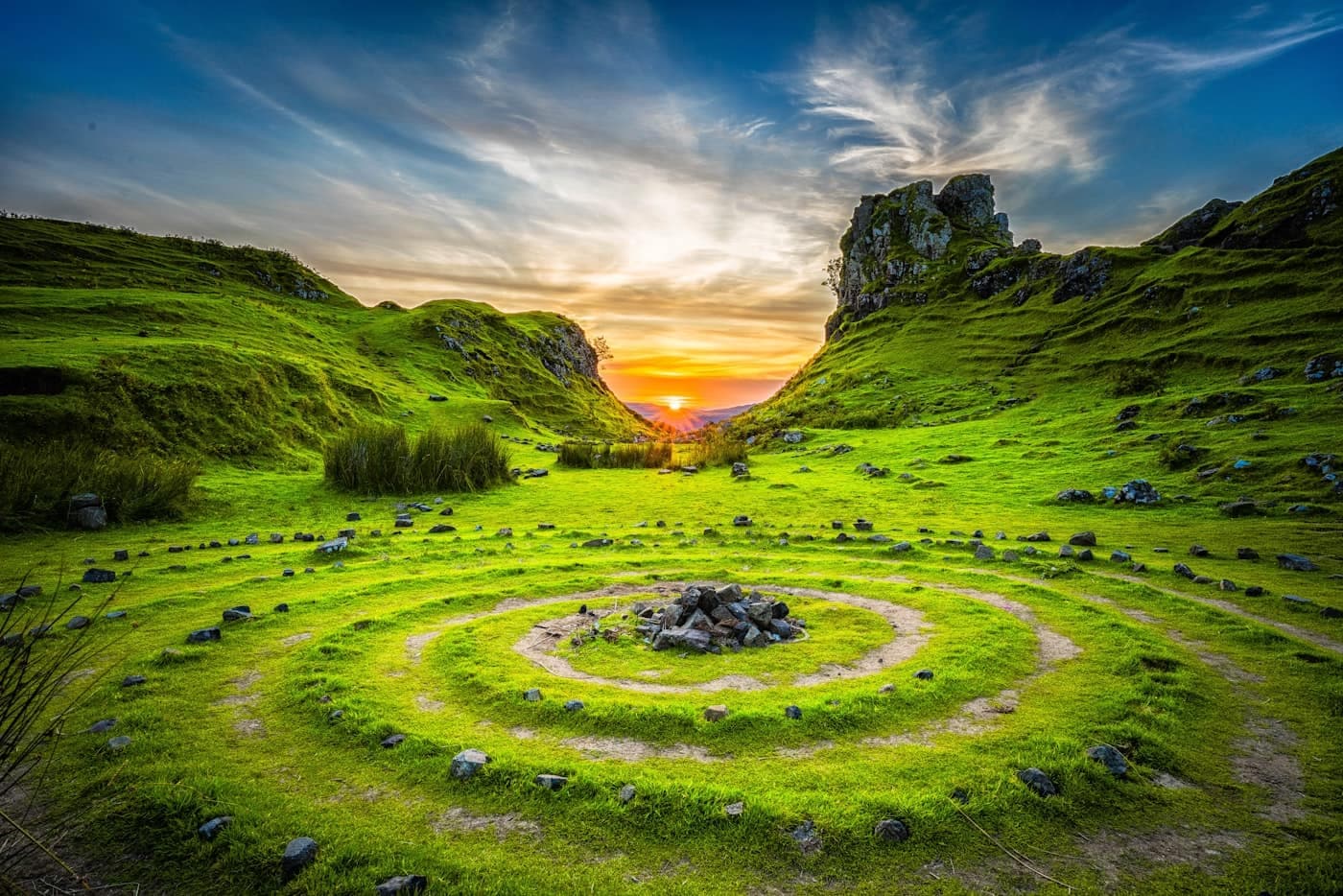
 TOP SELLERmoderate6 Days | 5 Nights
6D/5N Kuari Pass Trek from Joshimath, Uttarakhand — guided Himalayan experience with India Holiday Destinations.
GuideMealsCampingPermits
₹19,099
₹16,599
13% OFFEMI starting at ₹5,533/monthi
Explore India's Most Incredible Treks
+91 89887 69444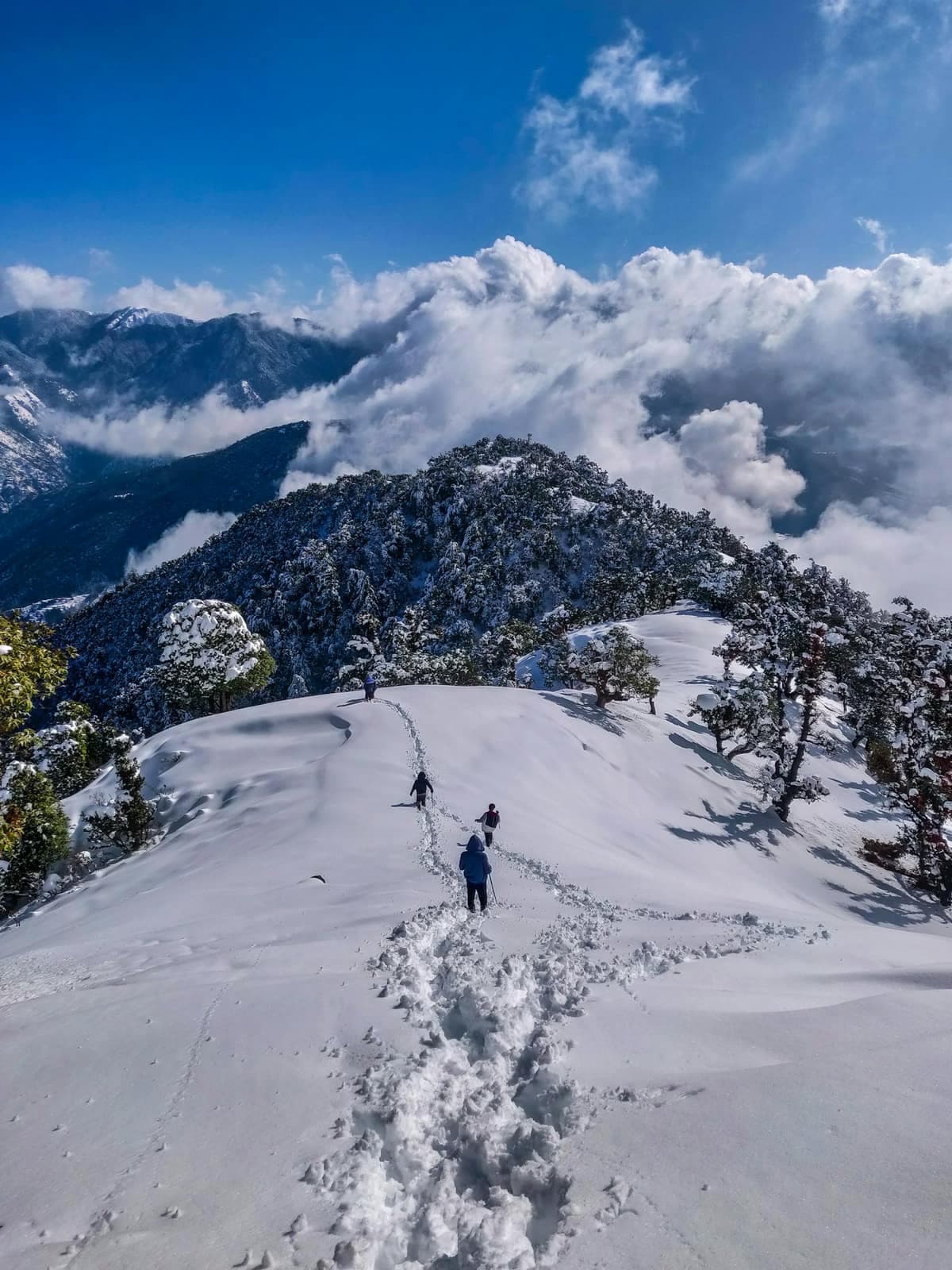
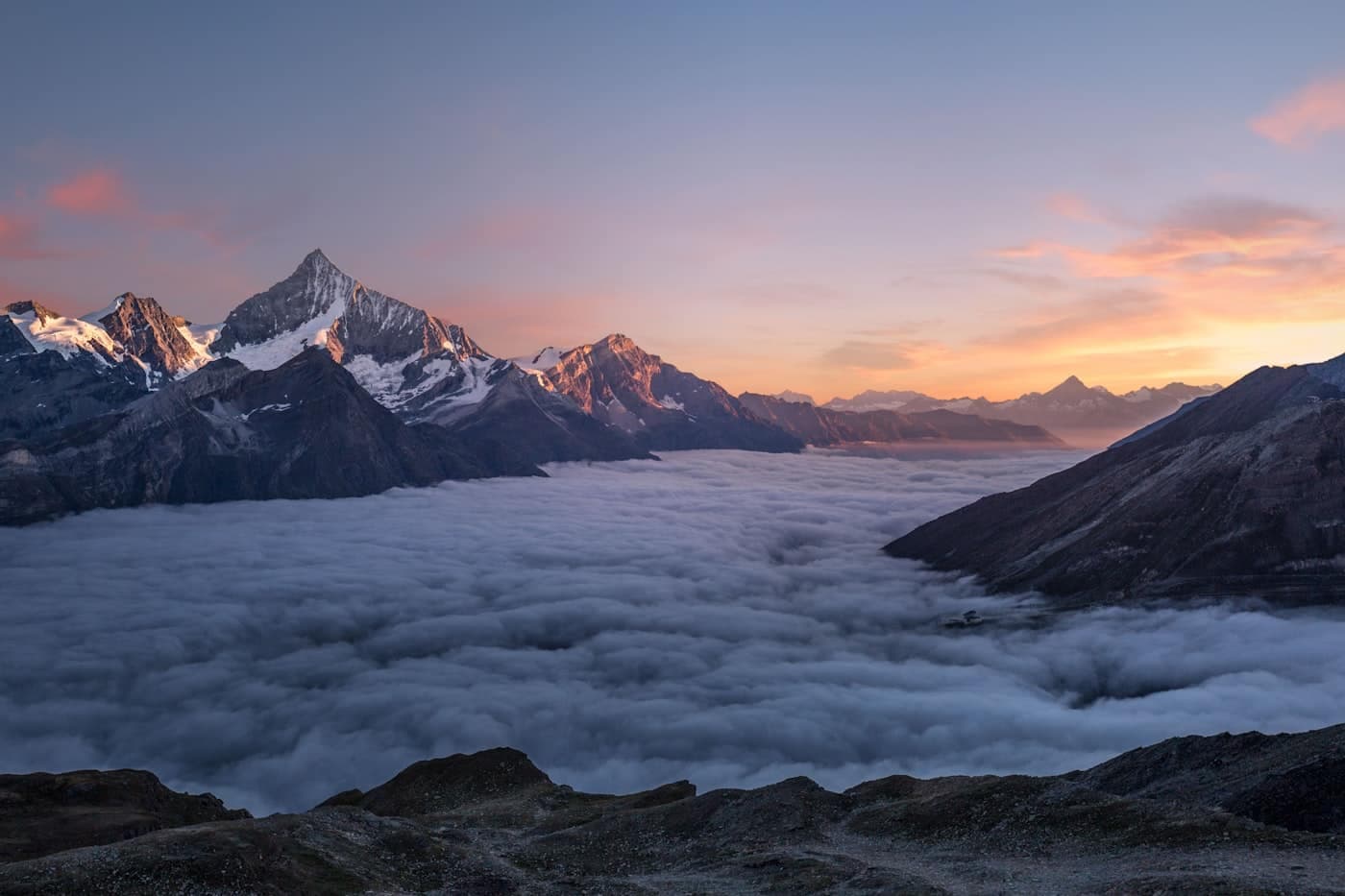
6D/5N Chenab Lake Trek from Joshimath, Uttarakhand — guided Himalayan experience with India Holiday Destinations.
From
₹16,599/person
Inclusive of all taxes
Secure your spot with just 25% advance
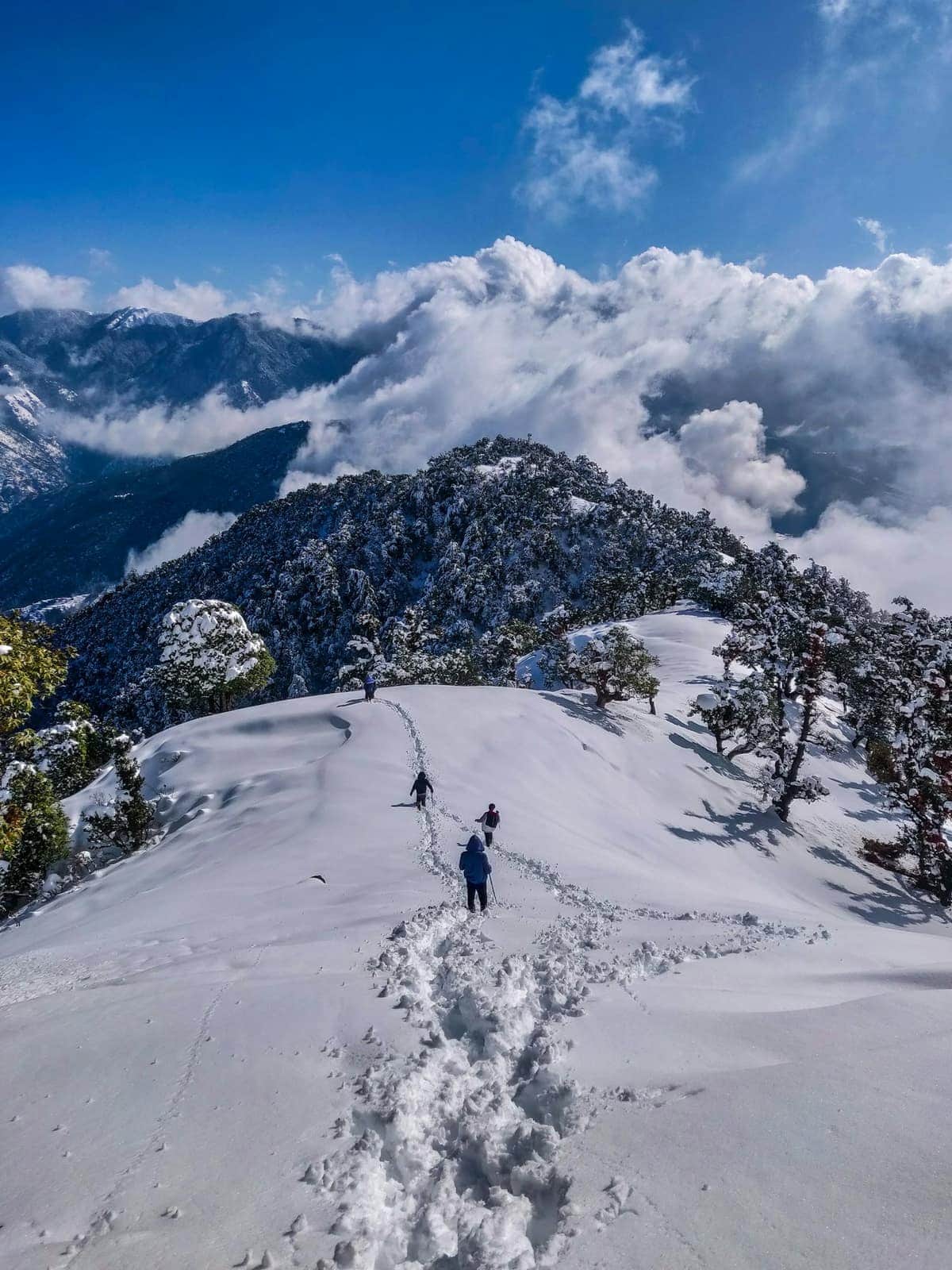
Chenab Lake Trek is a carefully curated Himalayan trek based around Joshimath in Uttarakhand. Rated moderate with a 6D/5N itinerary, this journey balances scenic walking, safe camping or homestays, and memorable mountain views. India Holiday Destinations handles permits, experienced local guides, meals on trek, and log…
Chenab Lake Trek Experience
02:45
Day-by-day plan for Chenab Lake Trek
This offbeat route into the Chenab, locally also called Chenap, valley begins with a short drive from Joshimath down to Vishnuprayag, the sacred confluence where the Dhauliganga and Alaknanda rivers meet in a churning meeting of currents, marked by a small temple and a footbridge that most Char Dham pilgrims cross without pausing for the quieter trail branching away from the main Badrinath road. From here, the trek proper begins, climbing away from the riverbank into a forest of oak and pine that shelters the narrow trail toward Thaing village, one of the last permanently inhabited settlements before the valley turns properly wild. Few outside trekkers make this diversion, and the path, while clear, has the untended, lightly used character typical of Uttarakhand's less publicised routes, a useful early signal of the solitude to come over the following days. Thaing itself is a small cluster of stone-and-timber homes set on a sunlit shelf, its residents largely dependent on terrace farming and seasonal livestock grazing higher in the Chenab valley, and a homestay here offers a genuine, unhurried introduction to a community that sees only a handful of trekking groups each season. Evening conversation with hosts often turns to the valley's reputation for wildflowers and its use as summer grazing ground long before any trekking company took an interest in it, and guides use the time to outline the days ahead, when the trail continues deeper into terrain considerably less documented than the well-known Valley of Flowers on the far side of the range. The quiet, low-key start here is deliberate, easing the group into a trek defined throughout by its remoteness rather than any dramatic first-day scenery.
Lunch, Dinner
Homestay (Thaing)
riverside road drive, forested village approach
Available
Leaving Thaing's terraced fields, the trail enters a noticeably wilder stretch of forest almost immediately, oak and rhododendron closing in overhead and the path narrowing to little more than a shepherd's track worn into the leaf litter over generations of seasonal grazing movement. Streams cross the route at several points, their water cold and clear even in summer, and the crossings, though unremarkable individually, add up over the day into a steady test of balance and attention on slick stone. This section of forest is markedly quieter than trails around Joshimath's more frequented valleys, and birdlife, particularly various pheasant species, is a near-constant if often unseen presence, betrayed mostly by sudden bursts of movement in the undergrowth. As the trail climbs, oak gradually gives way to a mix of birch and fir, and the light filtering through the canopy takes on a cooler, greener cast that signals the approach to Dhar Kharak, a modest forest clearing used historically by shepherds moving flocks up toward the higher Chenab meadows. The camp here, ringed by tall conifers, offers little in the way of expansive views but compensates with a hushed, deeply forested atmosphere that feels considerably more remote than the modest distance covered might suggest. Local guides, drawing on family knowledge of these slopes, often point out edible or medicinal plants gathered here by villagers, from wild garlic to various forest greens, a small but telling detail of how intimately this landscape is still used despite its lack of visibility on standard trekking maps. Dinner by the campfire, deep in the quiet of the forest, sets a distinctly different tone from the more open, socially bustling camps found on Uttarakhand's better-known routes.
Breakfast, Lunch, Dinner
Camp (Dhar Kharak)
dense oak forest, stream crossings, forest clearing camp
Available
Things to Carry
Level: Moderate fitness · Score 6/10
Prepare with regular walks and stair practice before Chenab Lake Trek.
Customer Reviews
FAQ
Experienced Trek Leaders
Safety First Approach
Quality Equipment
Sustainable Tourism
Local Support
First Aid Available
Premium Himalayan Adventure
Joshimath, UttarakhandChenab Lake Trek
6D/5N Chenab Lake Trek from Joshimath, Uttarakhand — guided Himalayan experience with India Holiday Destinations.
From ₹16,599/ person
Enquire Now4.6
30 reviews
12k ft
Max altitude
6D / 5N
Moderate
Difficulty
Moderate
Duration
6D / 5N
Best Season
spring, summer, autumn
Trek Distance
42 km
Max Altitude
12,320 Ft (3,755 M)
Group Size
8-12
Chenab Lake Trek is a carefully curated Himalayan trek based around Joshimath in Uttarakhand. Rated moderate with a 6D/5N itinerary, this journey balances scenic walking, safe camping or homestays, and memorable mountain views. India Holiday Destinations handles permits, experienced local guides, meals on trek, and log…
Chenab Lake Trek Experience
02:45
Experienced Trek Leaders
Safety First Approach
Quality Equipment
Sustainable Tourism
Local Support
First Aid Available
Day-by-day plan for Chenab Lake Trek
This offbeat route into the Chenab, locally also called Chenap, valley begins with a short drive from Joshimath down to Vishnuprayag, the sacred confluence where the Dhauliganga and Alaknanda rivers meet in a churning meeting of currents, marked by a small temple and a footbridge that most Char Dham pilgrims cross without pausing for the quieter trail branching away from the main Badrinath road. From here, the trek proper begins, climbing away from the riverbank into a forest of oak and pine that shelters the narrow trail toward Thaing village, one of the last permanently inhabited settlements before the valley turns properly wild. Few outside trekkers make this diversion, and the path, while clear, has the untended, lightly used character typical of Uttarakhand's less publicised routes, a useful early signal of the solitude to come over the following days. Thaing itself is a small cluster of stone-and-timber homes set on a sunlit shelf, its residents largely dependent on terrace farming and seasonal livestock grazing higher in the Chenab valley, and a homestay here offers a genuine, unhurried introduction to a community that sees only a handful of trekking groups each season. Evening conversation with hosts often turns to the valley's reputation for wildflowers and its use as summer grazing ground long before any trekking company took an interest in it, and guides use the time to outline the days ahead, when the trail continues deeper into terrain considerably less documented than the well-known Valley of Flowers on the far side of the range. The quiet, low-key start here is deliberate, easing the group into a trek defined throughout by its remoteness rather than any dramatic first-day scenery.
Lunch, Dinner
Homestay (Thaing)
riverside road drive, forested village approach
Available
Leaving Thaing's terraced fields, the trail enters a noticeably wilder stretch of forest almost immediately, oak and rhododendron closing in overhead and the path narrowing to little more than a shepherd's track worn into the leaf litter over generations of seasonal grazing movement. Streams cross the route at several points, their water cold and clear even in summer, and the crossings, though unremarkable individually, add up over the day into a steady test of balance and attention on slick stone. This section of forest is markedly quieter than trails around Joshimath's more frequented valleys, and birdlife, particularly various pheasant species, is a near-constant if often unseen presence, betrayed mostly by sudden bursts of movement in the undergrowth. As the trail climbs, oak gradually gives way to a mix of birch and fir, and the light filtering through the canopy takes on a cooler, greener cast that signals the approach to Dhar Kharak, a modest forest clearing used historically by shepherds moving flocks up toward the higher Chenab meadows. The camp here, ringed by tall conifers, offers little in the way of expansive views but compensates with a hushed, deeply forested atmosphere that feels considerably more remote than the modest distance covered might suggest. Local guides, drawing on family knowledge of these slopes, often point out edible or medicinal plants gathered here by villagers, from wild garlic to various forest greens, a small but telling detail of how intimately this landscape is still used despite its lack of visibility on standard trekking maps. Dinner by the campfire, deep in the quiet of the forest, sets a distinctly different tone from the more open, socially bustling camps found on Uttarakhand's better-known routes.
Breakfast, Lunch, Dinner
Camp (Dhar Kharak)
dense oak forest, stream crossings, forest clearing camp
Available
Things to Carry
Level: Moderate fitness · Score 6/10
Prepare with regular walks and stair practice before Chenab Lake Trek.
Customer Reviews
FAQ
TOP SELLERmoderate6 Days | 5 Nights6D/5N Kuari Pass Trek from Joshimath, Uttarakhand — guided Himalayan experience with India Holiday Destinations.
₹19,099
₹16,599
13% OFFEMI starting at ₹5,533/monthi
TOP SELLEReasy3 Days | 2 Nights3D/2N Gorson Bugyal Trek from Auli, Uttarakhand — guided Himalayan experience with India Holiday Destinations.
₹10,399
₹7,899
24% OFFEMI starting at ₹2,633/monthi
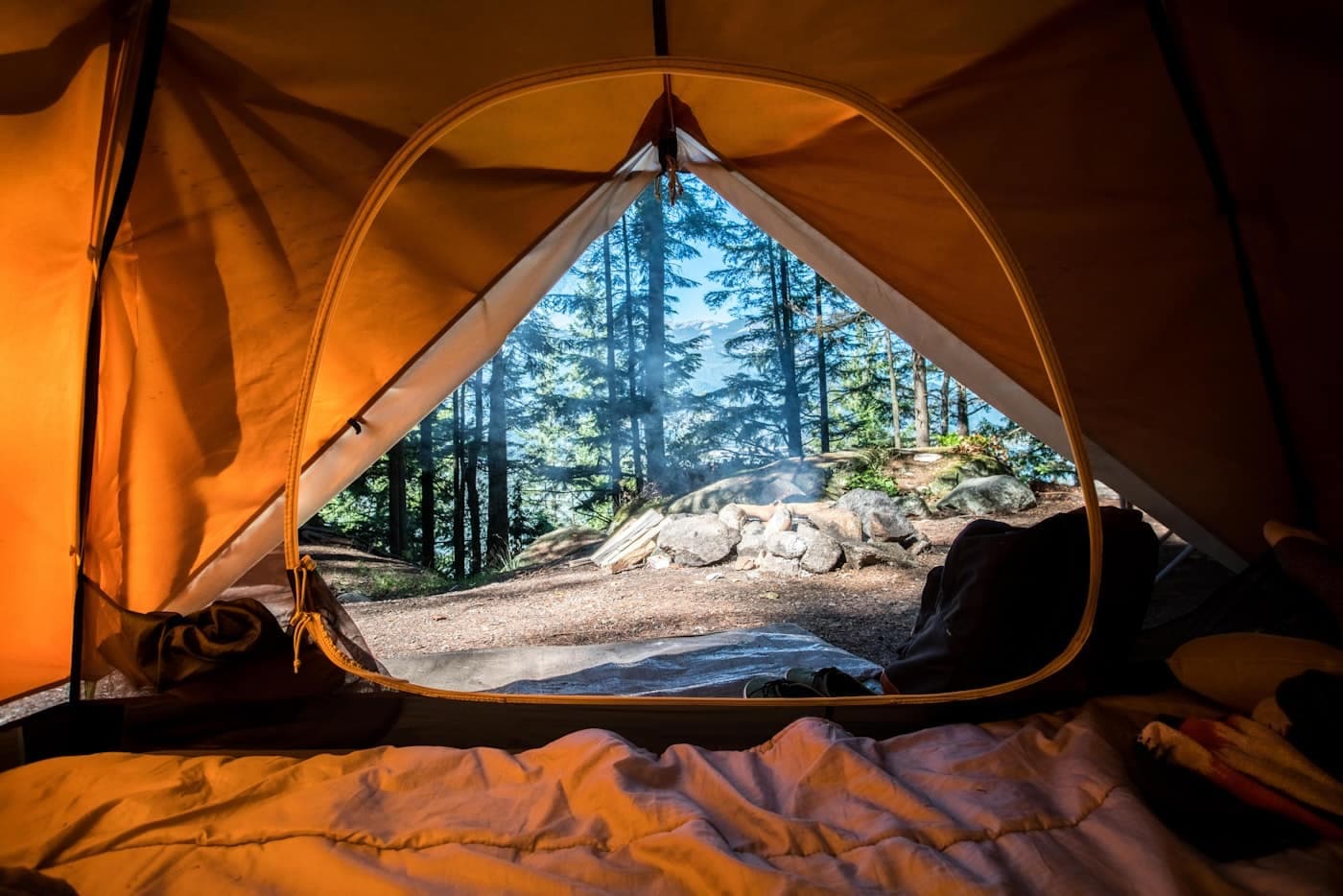 MOST BOOKEDeasy2 Days | 1 Night
2D/1N Hemkund Sahib Trek from Govindghat, Uttarakhand — guided Himalayan experience with India Holiday Destinations.
₹8,599
₹6,099
29% OFFEMI starting at ₹2,033/monthi
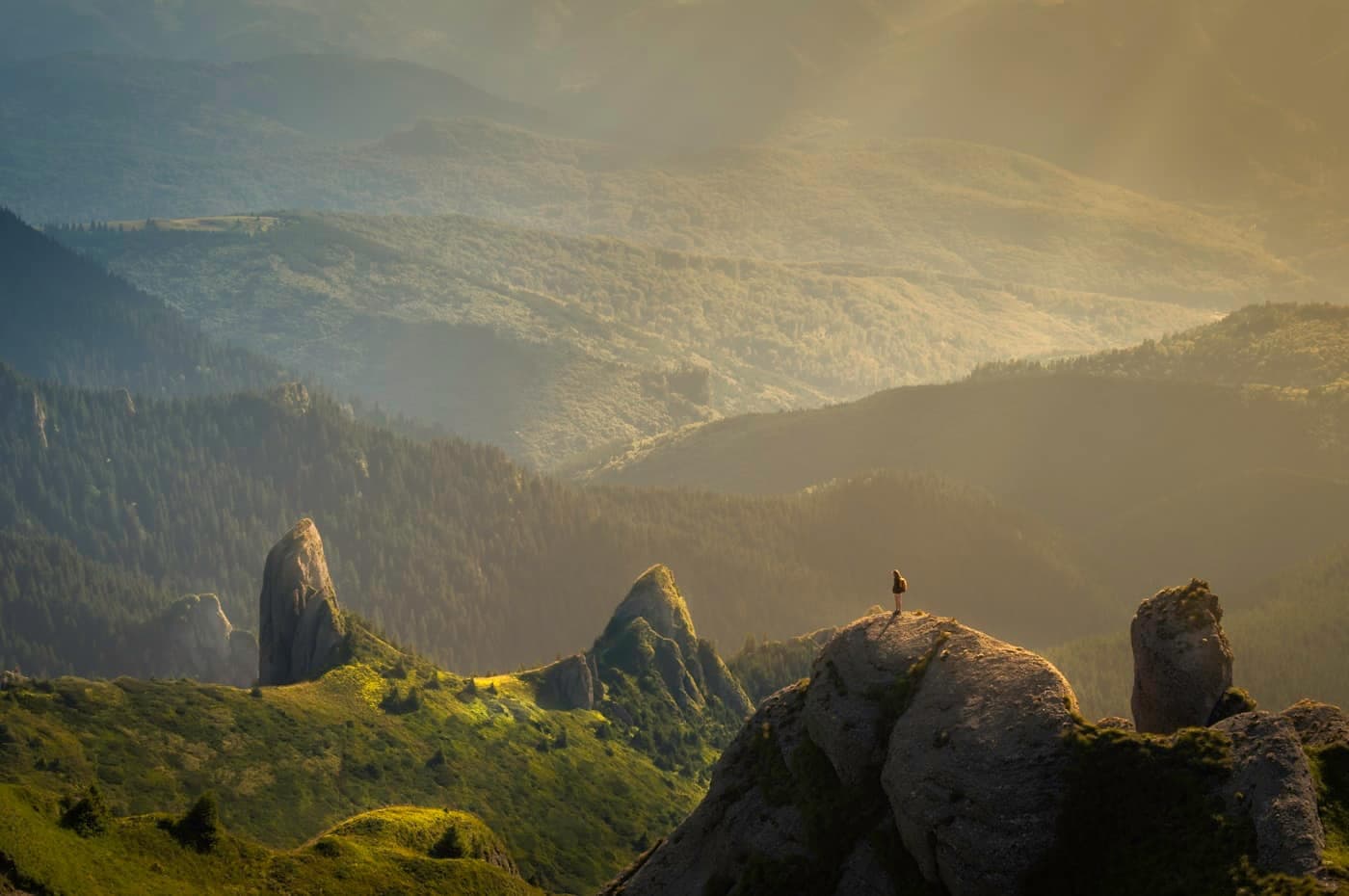 TOP SELLEReasy6 Days | 5 Nights
6D/5N Valley of Flowers Trek from Joshimath, Uttarakhand — guided Himalayan experience with India Holiday Destinations.
₹15,799
₹13,299
16% OFFEMI starting at ₹4,433/monthi
Ready for the mountains?
Secure your seat on Chenab Lake Trek or talk to a trek specialist for custom dates and group plans.