

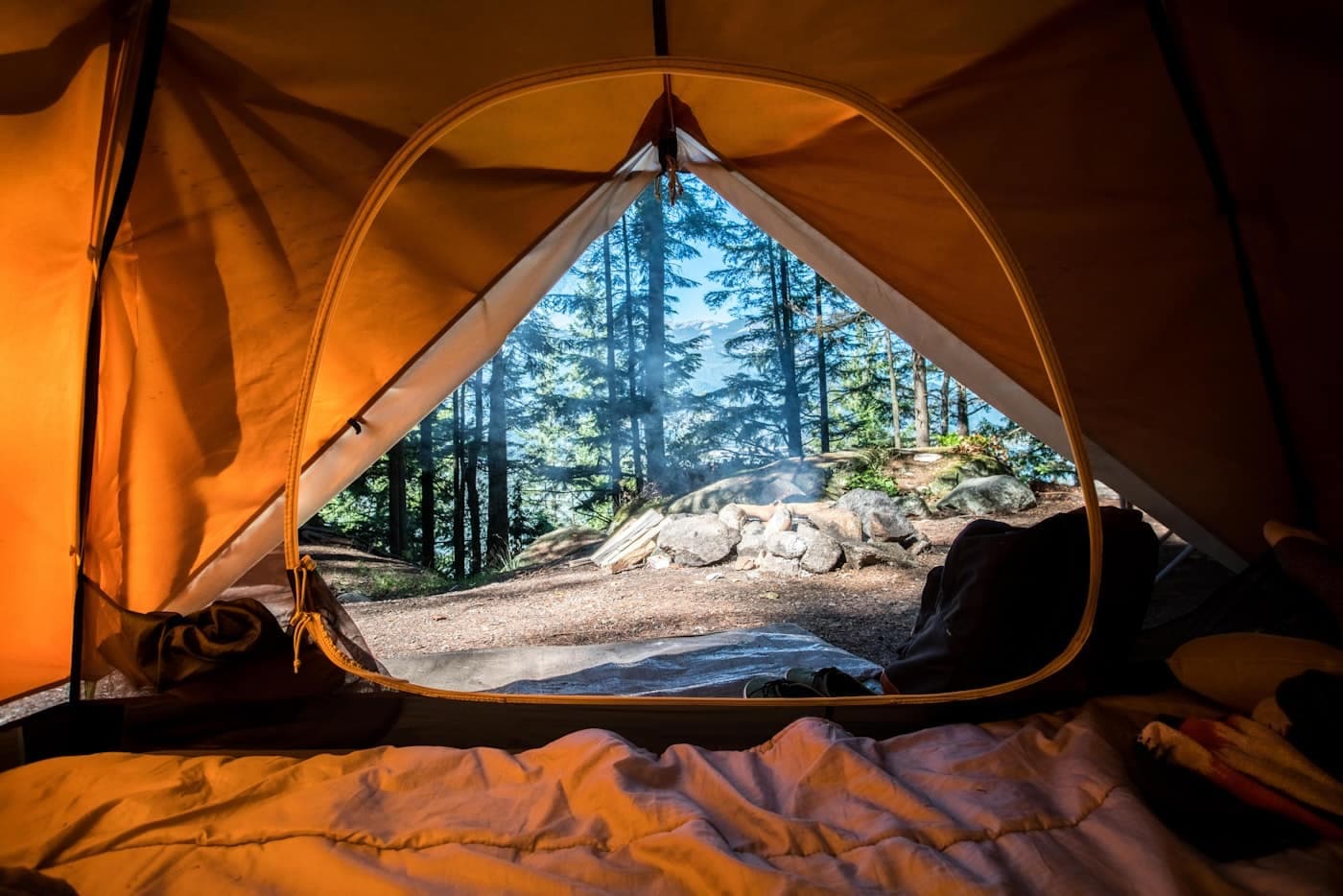
 TOP SELLERmoderate5 Days | 4 Nights
5D/4N Vasuki Tal Trek from Kedarnath, Uttarakhand — guided Himalayan experience with India Holiday Destinations.
GuideMealsCampingPermits
₹16,899
₹14,399
15% OFFEMI starting at ₹4,800/monthi
Explore India's Most Incredible Treks
+91 89887 69444
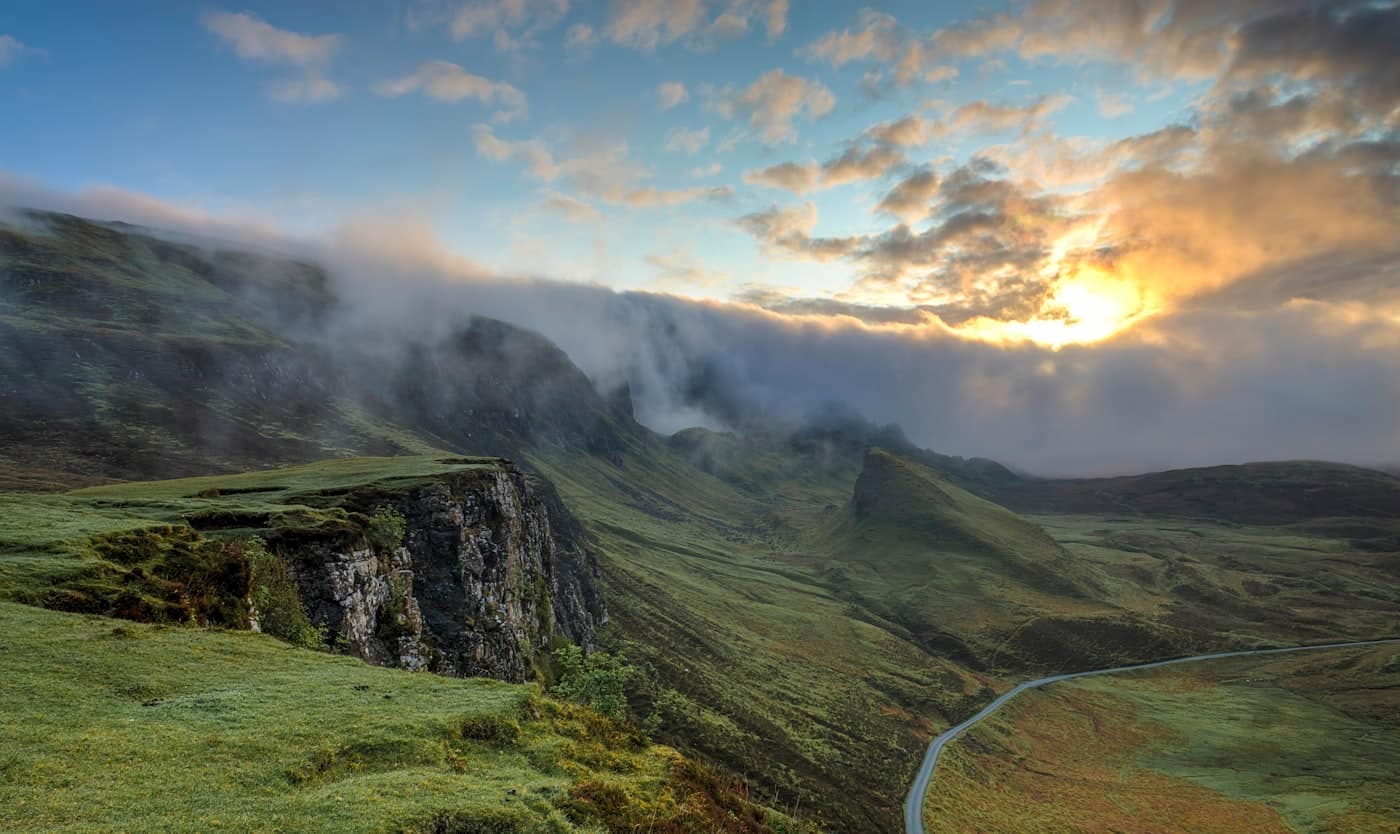
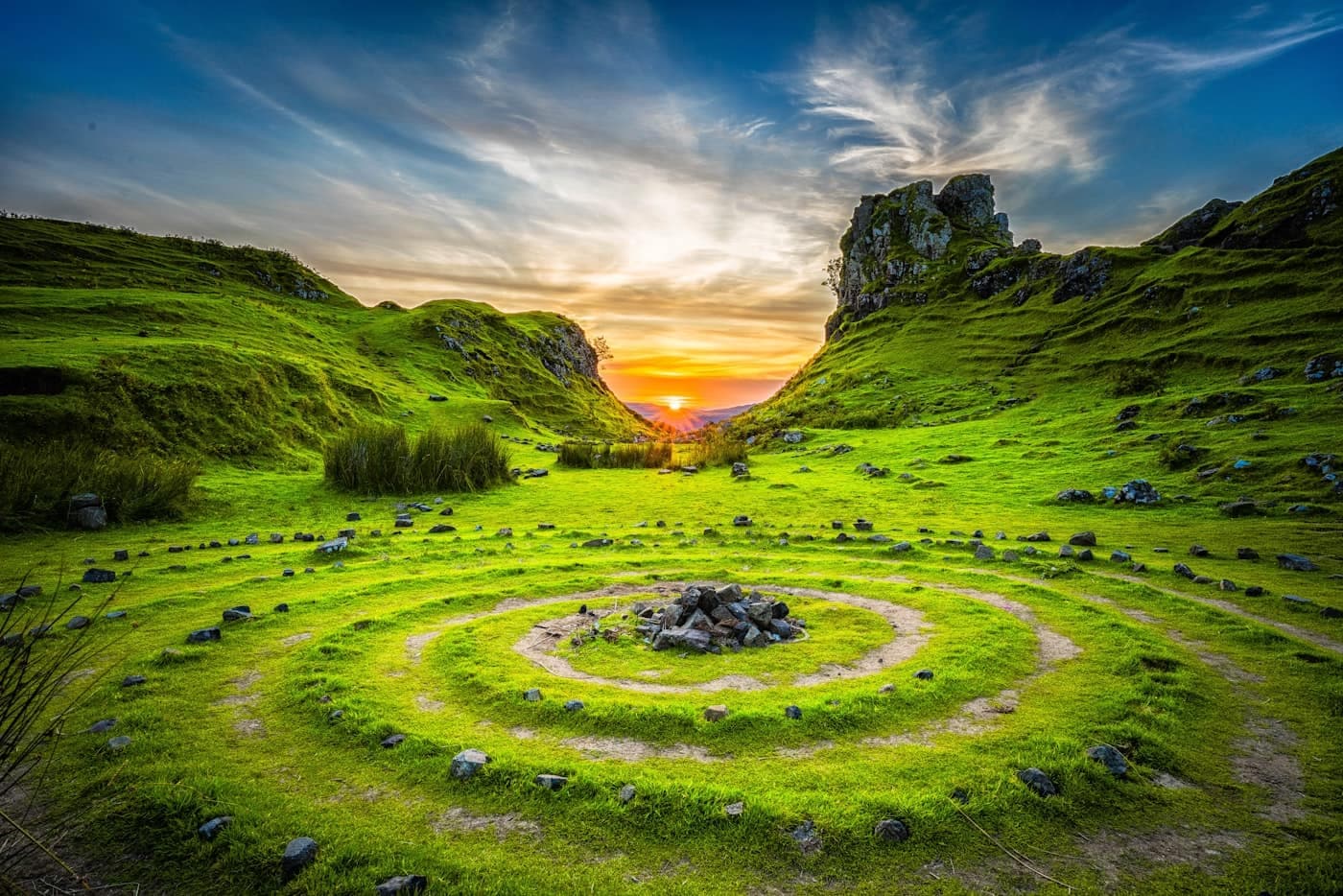
2D/1N Kedarnath Trek from Gaurikund, Uttarakhand — guided Himalayan experience with India Holiday Destinations.
From
₹6,099/person
Inclusive of all taxes
Secure your spot with just 25% advance
Kedarnath Trek is a carefully curated Himalayan trek based around Gaurikund in Uttarakhand. Rated easy with a 2D/1N itinerary, this journey balances scenic walking, safe camping or homestays, and memorable mountain views. India Holiday Destinations handles permits, experienced local guides, meals on trek, and logistics…
Kedarnath Trek Experience
02:45
Day-by-day plan for Kedarnath Trek
Kedarnath ranks among the twelve Jyotirlingas and the northernmost of the four Char Dham shrines, and reaching it on foot along this sixteen-kilometre pilgrim trail remains, for many travelling to Uttarakhand, less a trek than a genuine act of devotion decades in the planning. The paved path leaves Gaurikund climbing hard from the very first step, its stone steps and switchbacks built to handle enormous seasonal pilgrim volume, and pony trains, palanquin bearers, and walkers of every age and fitness level share the route in a steady, colourful procession that rarely thins even on an ordinary weekday during the yatra season. Rambara, once a substantial midway settlement with dozens of shops and shelters, was almost entirely erased by the catastrophic 2013 cloudburst and flash flood, and only a handful of structures mark the spot today, a sobering reminder of the valley's occasional violence tucked between the trail's more scenic stretches. Beyond the rebuilt sections near Rambara the Mandakini stays close company for much of the climb, its glacial water fed ultimately by the Chorabari glacier tucked in a side valley north of the temple itself. Linchauli offers the last significant stop before the final push, and the gradient, unrelenting since Gaurikund, finally begins easing as the valley widens toward Kedarnath's temple bowl, framed dramatically by the Kedarnath Dome and the sacred Nar and Narayan peaks flanking the shrine on either side. According to the legend most commonly told along this trail, Lord Shiva, seeking to evade the Pandavas after the Kurukshetra war, took the form of a bull and burrowed into the ground at this exact spot, leaving behind the hump now worshipped within the temple as the jyotirlinga. Arrival in the temple town by late afternoon, with the ancient stone structure finally visible ahead, brings a palpable shift in mood among pilgrims completing a journey many have saved toward for years, and evening settles over Kedarnath with prayer bells and distant chanting carrying easily through the thin mountain air.
Lunch, Dinner
Guesthouse (Kedarnath)
paved pilgrim trail, stone steps, riverside climb along the Mandakini
Available
Most pilgrims wake well before dawn to join the queue for darshan while the temple courtyard still holds a rare, uncrowded calm, the icy pre-sunrise air adding its own edge to the morning's devotional focus. The temple's stone construction, built from massive interlocking slabs without any binding mortar, is often credited by geologists and devotees alike with surviving the 2013 flood relatively intact, a large boulder that came to rest directly behind the structure during the disaster having deflected the worst of the debris flow around rather than through the building. Adi Shankaracharya's samadhi, marking where the philosopher-saint is believed to have spent his final days after reviving Kedarnath's status as a major pilgrimage centre over a thousand years ago, stands quietly just behind the main shrine, drawing a smaller but equally devoted stream of visitors distinct from the main darshan queue. A short walk to the Bhairav temple on a low rise above the main complex, dedicated to the fierce guardian deity believed to protect Kedarnath through the harsh winter months when the main shrine closes and its deity's image is carried down to Ukhimath, rounds out the morning's visits before the group turns to the long descent ahead. The walk down to Gaurikund retraces the full sixteen kilometres in a single push, the crowd thinning gradually as the morning wears on and many pilgrims choose to linger longer at the temple than the descending group. Knees bear the brunt of the sustained downhill stretch, and the rebuilt trail sections near the old Rambara site pass again, this time absorbed with a slightly different weight having just completed darshan at the shrine the 2013 disaster came so close to destroying entirely. Reaching Gaurikund by mid-afternoon, a soak in the natural hot springs beside the Mandakini provides genuine relief for tired legs, closing out a compact, deeply meaningful two-day pilgrimage to one of Hinduism's most revered mountain shrines.
Breakfast, Lunch
Trek Ends (Gaurikund)
paved pilgrim trail descent, stone steps, riverside path
Available
Things to Carry
Level: Beginner friendly · Score 3/10
Prepare with regular walks and stair practice before Kedarnath Trek.
Customer Reviews
FAQ
Experienced Trek Leaders
Safety First Approach
Quality Equipment
Sustainable Tourism
Local Support
First Aid Available
Premium Himalayan Adventure
Gaurikund, UttarakhandKedarnath Trek
2D/1N Kedarnath Trek from Gaurikund, Uttarakhand — guided Himalayan experience with India Holiday Destinations.
From ₹6,099/ person
Enquire Now4.8
18 reviews
9k ft
Max altitude
2D / 1N
Easy
Difficulty
Easy
Duration
2D / 1N
Best Season
spring, summer, autumn
Trek Distance
14 km
Max Altitude
9,000 Ft (2,743 M)
Group Size
8-12
Kedarnath Trek is a carefully curated Himalayan trek based around Gaurikund in Uttarakhand. Rated easy with a 2D/1N itinerary, this journey balances scenic walking, safe camping or homestays, and memorable mountain views. India Holiday Destinations handles permits, experienced local guides, meals on trek, and logistics…
Kedarnath Trek Experience
02:45
Experienced Trek Leaders
Safety First Approach
Quality Equipment
Sustainable Tourism
Local Support
First Aid Available
Day-by-day plan for Kedarnath Trek
Kedarnath ranks among the twelve Jyotirlingas and the northernmost of the four Char Dham shrines, and reaching it on foot along this sixteen-kilometre pilgrim trail remains, for many travelling to Uttarakhand, less a trek than a genuine act of devotion decades in the planning. The paved path leaves Gaurikund climbing hard from the very first step, its stone steps and switchbacks built to handle enormous seasonal pilgrim volume, and pony trains, palanquin bearers, and walkers of every age and fitness level share the route in a steady, colourful procession that rarely thins even on an ordinary weekday during the yatra season. Rambara, once a substantial midway settlement with dozens of shops and shelters, was almost entirely erased by the catastrophic 2013 cloudburst and flash flood, and only a handful of structures mark the spot today, a sobering reminder of the valley's occasional violence tucked between the trail's more scenic stretches. Beyond the rebuilt sections near Rambara the Mandakini stays close company for much of the climb, its glacial water fed ultimately by the Chorabari glacier tucked in a side valley north of the temple itself. Linchauli offers the last significant stop before the final push, and the gradient, unrelenting since Gaurikund, finally begins easing as the valley widens toward Kedarnath's temple bowl, framed dramatically by the Kedarnath Dome and the sacred Nar and Narayan peaks flanking the shrine on either side. According to the legend most commonly told along this trail, Lord Shiva, seeking to evade the Pandavas after the Kurukshetra war, took the form of a bull and burrowed into the ground at this exact spot, leaving behind the hump now worshipped within the temple as the jyotirlinga. Arrival in the temple town by late afternoon, with the ancient stone structure finally visible ahead, brings a palpable shift in mood among pilgrims completing a journey many have saved toward for years, and evening settles over Kedarnath with prayer bells and distant chanting carrying easily through the thin mountain air.
Lunch, Dinner
Guesthouse (Kedarnath)
paved pilgrim trail, stone steps, riverside climb along the Mandakini
Available
Most pilgrims wake well before dawn to join the queue for darshan while the temple courtyard still holds a rare, uncrowded calm, the icy pre-sunrise air adding its own edge to the morning's devotional focus. The temple's stone construction, built from massive interlocking slabs without any binding mortar, is often credited by geologists and devotees alike with surviving the 2013 flood relatively intact, a large boulder that came to rest directly behind the structure during the disaster having deflected the worst of the debris flow around rather than through the building. Adi Shankaracharya's samadhi, marking where the philosopher-saint is believed to have spent his final days after reviving Kedarnath's status as a major pilgrimage centre over a thousand years ago, stands quietly just behind the main shrine, drawing a smaller but equally devoted stream of visitors distinct from the main darshan queue. A short walk to the Bhairav temple on a low rise above the main complex, dedicated to the fierce guardian deity believed to protect Kedarnath through the harsh winter months when the main shrine closes and its deity's image is carried down to Ukhimath, rounds out the morning's visits before the group turns to the long descent ahead. The walk down to Gaurikund retraces the full sixteen kilometres in a single push, the crowd thinning gradually as the morning wears on and many pilgrims choose to linger longer at the temple than the descending group. Knees bear the brunt of the sustained downhill stretch, and the rebuilt trail sections near the old Rambara site pass again, this time absorbed with a slightly different weight having just completed darshan at the shrine the 2013 disaster came so close to destroying entirely. Reaching Gaurikund by mid-afternoon, a soak in the natural hot springs beside the Mandakini provides genuine relief for tired legs, closing out a compact, deeply meaningful two-day pilgrimage to one of Hinduism's most revered mountain shrines.
Breakfast, Lunch
Trek Ends (Gaurikund)
paved pilgrim trail descent, stone steps, riverside path
Available
Things to Carry
Level: Beginner friendly · Score 3/10
Prepare with regular walks and stair practice before Kedarnath Trek.
Customer Reviews
FAQ
TOP SELLERmoderate5 Days | 4 Nights5D/4N Vasuki Tal Trek from Kedarnath, Uttarakhand — guided Himalayan experience with India Holiday Destinations.
₹16,899
₹14,399
15% OFFEMI starting at ₹4,800/monthi
Ready for the mountains?
Secure your seat on Kedarnath Trek or talk to a trek specialist for custom dates and group plans.