

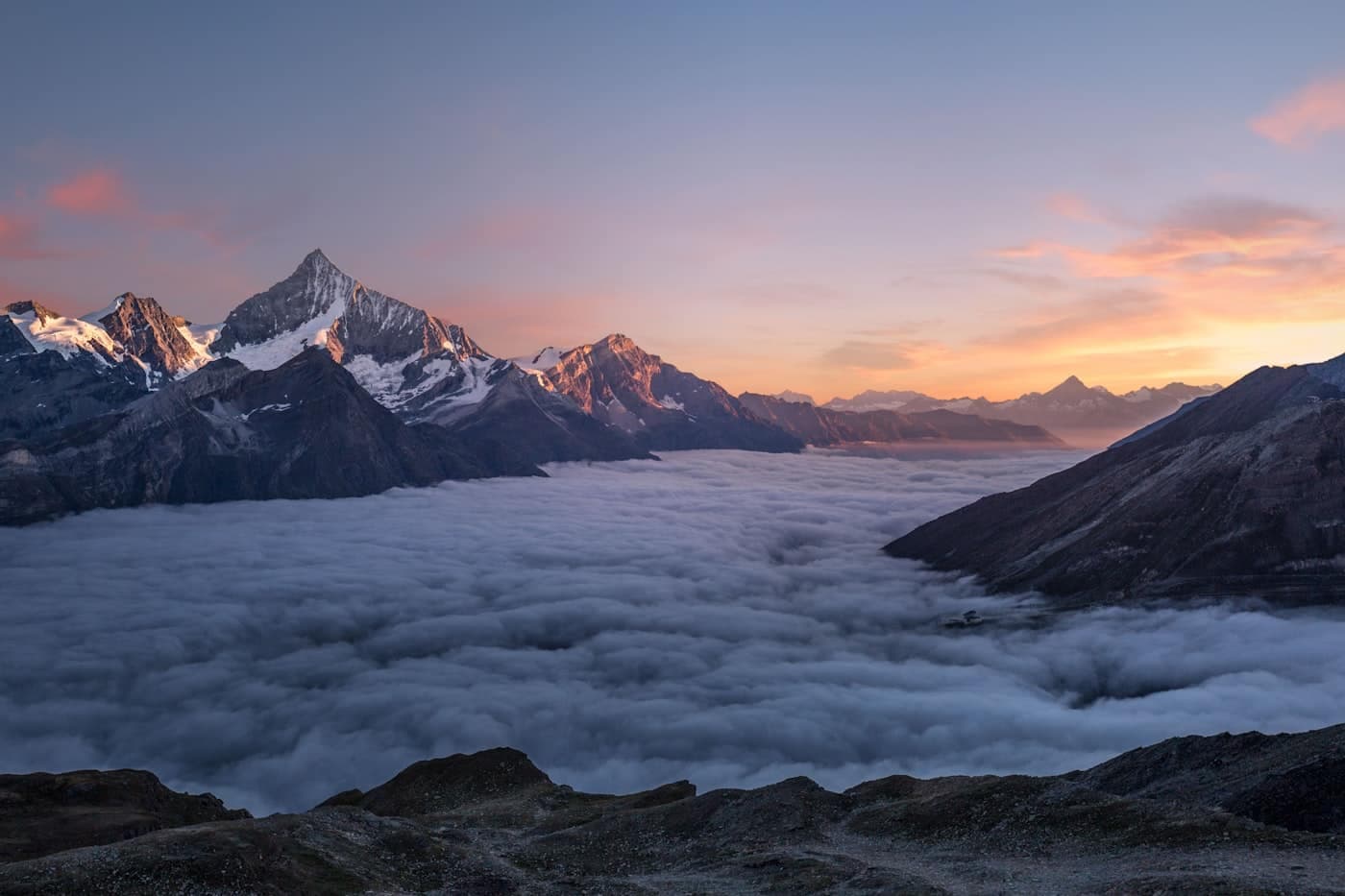
 TOP SELLERdifficult5 Days | 4 Nights
A demanding Dhauladhar crossing above Kareri Lake via Minkiani Pass — remote meadows, high camps, and few crowds. From ₹11,999.
GuideMealsCampingPermits
₹13,999
₹11,999
14% OFFEMI starting at ₹4,000/monthi
Explore India's Most Incredible Treks
+91 89887 69444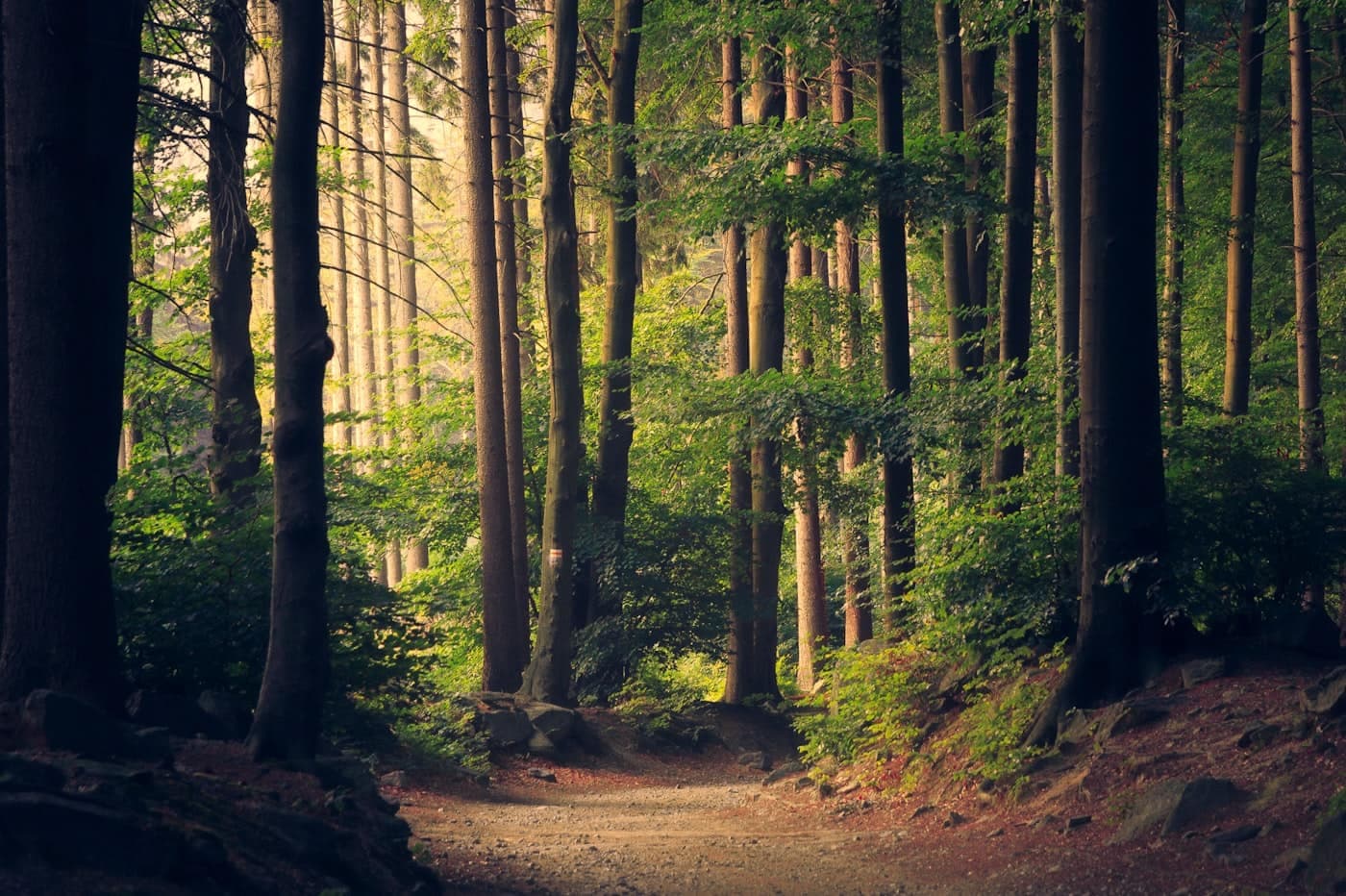
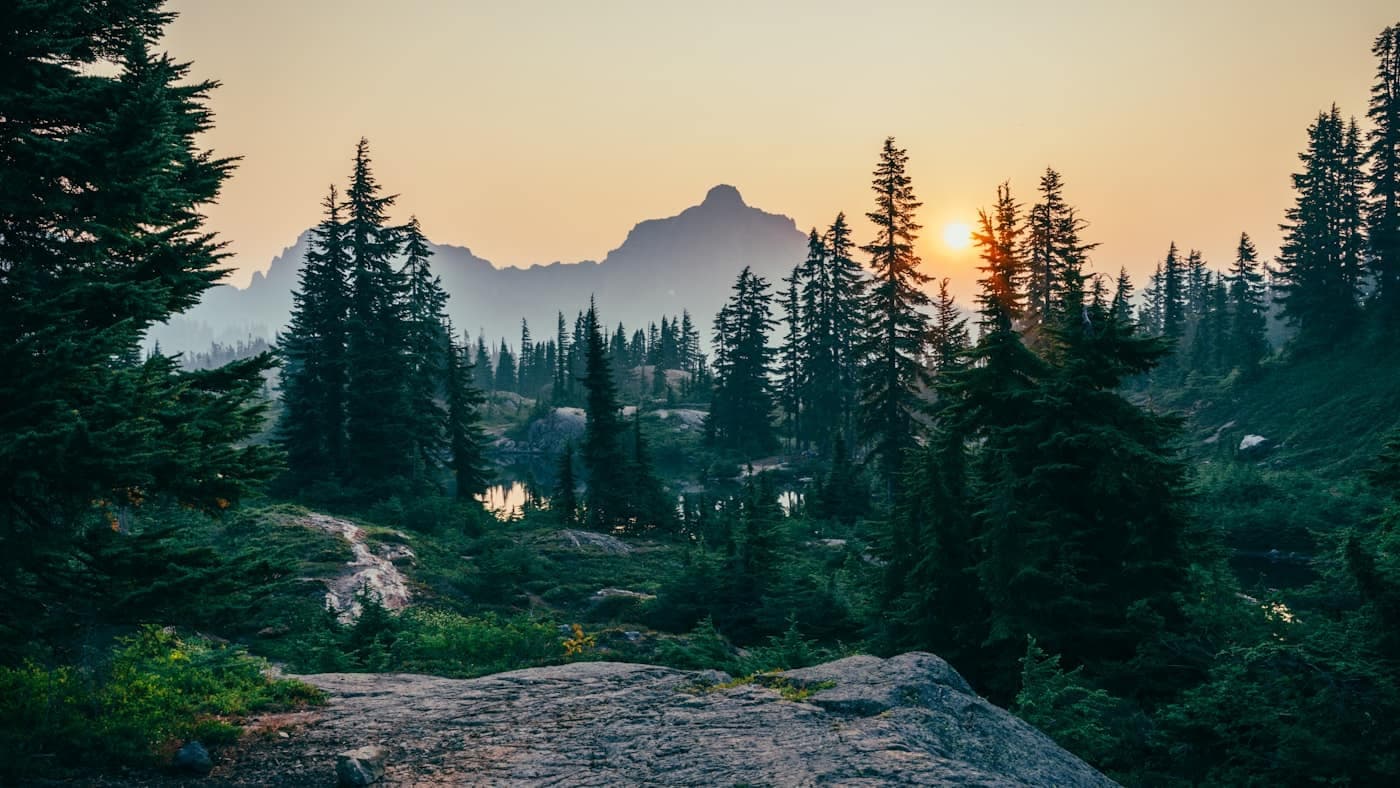
Legendary trek to one of India’s most remote inhabited villages — multi-pass wilderness, self-sufficient camping, and profound isolation. From ₹34,999.
From
₹34,999/person
Inclusive of all taxes
Secure your spot with just 25% advance
Bara Bhangal Trek is part of India Holiday Destinations’ Dharamshala and Dhauladhar collection. Legendary trek to one of India’s most remote inhabited villages — multi-pass wilderness, self-sufficient camping, and profound isolation. Reaching Bara Bhangal is a statement trek: remote habitation, multi-pass logistics, a…
Bara Bhangal Trek Experience
02:45
Day-by-day plan for Bara Bhangal Trek
The crossing to Bara Bhangal begins at Billing, the paragliding launch site above Bir known to most visitors for entirely different reasons, but which also serves as the trailhead for one of Himachal's longest and most committing treks. From the grassy takeoff slopes, the trail drops briefly before settling into a steady climb through chir pine forest, the Kangra valley's tea gardens and the distant outline of the Dhauladhar range receding gradually below as the path gains the ridge proper. Rajgundha, the day's destination, is a small, relatively prosperous village known locally for its potato cultivation, an unusual crop success story at this altitude attributed to particularly favourable soil and microclimate conditions found in this specific pocket of the Kangra hills. The village retains a genuinely traditional character, with wood-and-stone houses and terraced fields that have supported the same families for generations, and villagers here, though accustomed to occasional trekking groups passing through en route to Bara Bhangal, remain notably unaffected by tourism in a way that feels increasingly rare in more heavily trekked parts of Himachal. A homestay or guesthouse room here offers the last real comfort before the trek's considerably wilder middle stretch, and the evening is typically spent discussing the sheer scale of the journey ahead, ten days in total, crossing two significant passes and reaching one of the most isolated permanently inhabited villages anywhere in the state. Guides emphasise pacing and honest self-assessment of fitness from this very first evening, since Bara Bhangal offers no easy exit once the trek moves beyond Rajgundha.
Lunch, Dinner
Homestay (Rajgundha)
pine forest trail, paragliding launch approach, village fields
Available
Leaving Rajgundha's cultivated fields behind, the trail climbs into denser forest, oak and rhododendron closing in around the path as the route follows a tributary stream deeper into increasingly wild terrain. This stretch sees noticeably less foot traffic than the approach to Rajgundha, and the trail itself narrows in places, occasionally requiring some care where past landslides or fallen trees have disrupted the path. Gaddi shepherd families are a common presence through this section during the summer grazing season, their flocks spread across hillside clearings in substantial numbers, and their temporary camps offer useful points of local knowledge about current trail and weather conditions further ahead toward Thamsar. Palachak Thach, the day's destination, is a riverside meadow used for generations as a staging camp on this route, chosen for its flat ground and reliable water, and the setting here feels considerably more remote than anything encountered on the first day, with forested ridges closing in on both sides of the narrowing valley. Wildlife signs, from fresh bear scratches on tree bark to occasional pheasant calls echoing through the forest, become more frequent as the trek moves further from any permanent settlement. Camp is set with the stream as a constant backdrop, and the evening briefing turns toward the technical demands of the coming Thamsar Pass crossing, with guides explaining how the route's difficulty depends heavily on that season's specific snow and glacier conditions. Firewood is collected early, since the evening chill here already hints at the considerably colder camps that lie several days further along this remote crossing.
Breakfast, Lunch, Dinner
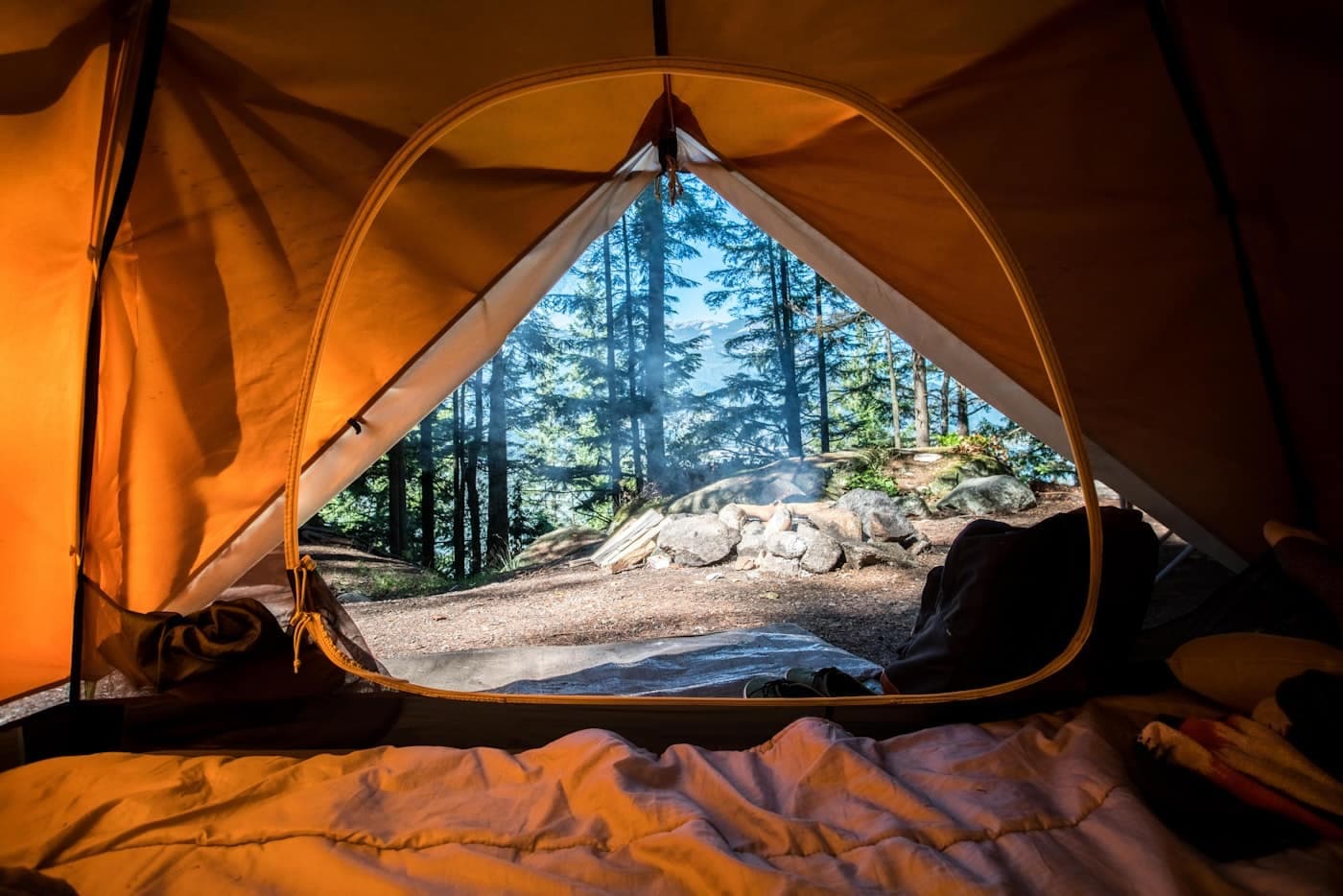
Camp
oak-rhododendron forest, shepherd trail, riverside camp
Available
Things to Carry
Level: High endurance & prior trek experience · Score 90/10
The Bara Bhangal Trek demands difficult effort across 10 day(s). Train with stair climbs and loaded walks; respect altitude above 15000 ft.
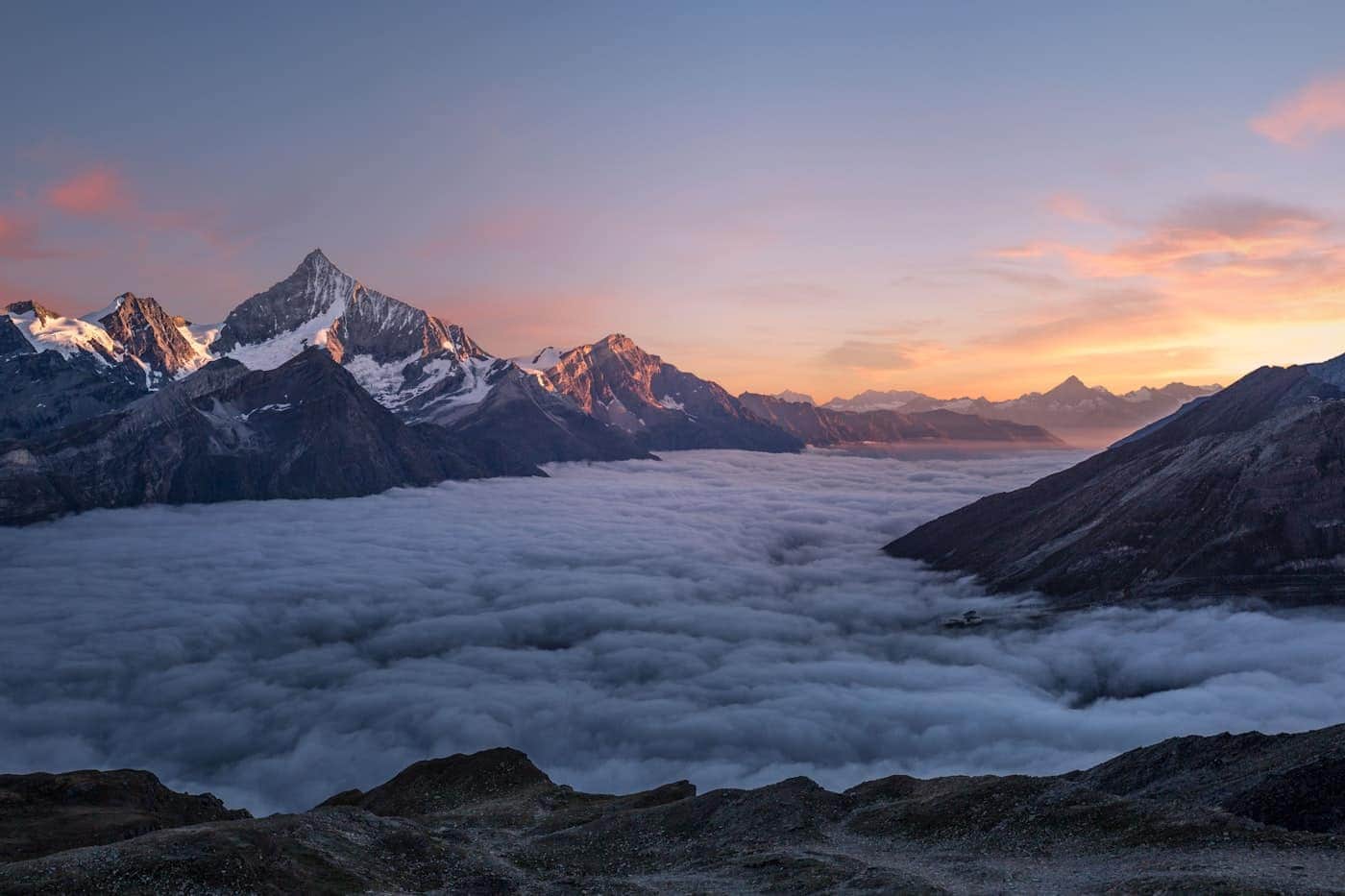
Customer Reviews
FAQ
Experienced Trek Leaders
Safety First Approach
Quality Equipment
Sustainable Tourism
Local Support
First Aid Available
Premium Himalayan Adventure
Kangra, Himachal PradeshBara Bhangal Trek
Legendary trek to one of India’s most remote inhabited villages — multi-pass wilderness, self-sufficient camping, and profound isolation. From ₹34,999.
From ₹34,999/ person
Enquire Now4.8
36 reviews
15k ft
Max altitude
10D / 9N
Difficult
Difficulty
Difficult
Duration
10D / 9N
Best Season
July–September weather windows only; avoid deep winter
Trek Distance
95 km
Max Altitude
14,600 Ft (4,450 M)
Group Size
Small expedition teams (4–8)
Bara Bhangal Trek is part of India Holiday Destinations’ Dharamshala and Dhauladhar collection. Legendary trek to one of India’s most remote inhabited villages — multi-pass wilderness, self-sufficient camping, and profound isolation. Reaching Bara Bhangal is a statement trek: remote habitation, multi-pass logistics, a…
Bara Bhangal Trek Experience
02:45
Experienced Trek Leaders
Safety First Approach
Quality Equipment
Sustainable Tourism
Local Support
First Aid Available
Day-by-day plan for Bara Bhangal Trek
The crossing to Bara Bhangal begins at Billing, the paragliding launch site above Bir known to most visitors for entirely different reasons, but which also serves as the trailhead for one of Himachal's longest and most committing treks. From the grassy takeoff slopes, the trail drops briefly before settling into a steady climb through chir pine forest, the Kangra valley's tea gardens and the distant outline of the Dhauladhar range receding gradually below as the path gains the ridge proper. Rajgundha, the day's destination, is a small, relatively prosperous village known locally for its potato cultivation, an unusual crop success story at this altitude attributed to particularly favourable soil and microclimate conditions found in this specific pocket of the Kangra hills. The village retains a genuinely traditional character, with wood-and-stone houses and terraced fields that have supported the same families for generations, and villagers here, though accustomed to occasional trekking groups passing through en route to Bara Bhangal, remain notably unaffected by tourism in a way that feels increasingly rare in more heavily trekked parts of Himachal. A homestay or guesthouse room here offers the last real comfort before the trek's considerably wilder middle stretch, and the evening is typically spent discussing the sheer scale of the journey ahead, ten days in total, crossing two significant passes and reaching one of the most isolated permanently inhabited villages anywhere in the state. Guides emphasise pacing and honest self-assessment of fitness from this very first evening, since Bara Bhangal offers no easy exit once the trek moves beyond Rajgundha.
Lunch, Dinner
Homestay (Rajgundha)
pine forest trail, paragliding launch approach, village fields
Available
Leaving Rajgundha's cultivated fields behind, the trail climbs into denser forest, oak and rhododendron closing in around the path as the route follows a tributary stream deeper into increasingly wild terrain. This stretch sees noticeably less foot traffic than the approach to Rajgundha, and the trail itself narrows in places, occasionally requiring some care where past landslides or fallen trees have disrupted the path. Gaddi shepherd families are a common presence through this section during the summer grazing season, their flocks spread across hillside clearings in substantial numbers, and their temporary camps offer useful points of local knowledge about current trail and weather conditions further ahead toward Thamsar. Palachak Thach, the day's destination, is a riverside meadow used for generations as a staging camp on this route, chosen for its flat ground and reliable water, and the setting here feels considerably more remote than anything encountered on the first day, with forested ridges closing in on both sides of the narrowing valley. Wildlife signs, from fresh bear scratches on tree bark to occasional pheasant calls echoing through the forest, become more frequent as the trek moves further from any permanent settlement. Camp is set with the stream as a constant backdrop, and the evening briefing turns toward the technical demands of the coming Thamsar Pass crossing, with guides explaining how the route's difficulty depends heavily on that season's specific snow and glacier conditions. Firewood is collected early, since the evening chill here already hints at the considerably colder camps that lie several days further along this remote crossing.
Breakfast, Lunch, Dinner
Camp
oak-rhododendron forest, shepherd trail, riverside camp
Available
Things to Carry
Level: High endurance & prior trek experience · Score 90/10
The Bara Bhangal Trek demands difficult effort across 10 day(s). Train with stair climbs and loaded walks; respect altitude above 15000 ft.
Customer Reviews
FAQ
TOP SELLERdifficult5 Days | 4 NightsA demanding Dhauladhar crossing above Kareri Lake via Minkiani Pass — remote meadows, high camps, and few crowds. From ₹11,999.
₹13,999
₹11,999
14% OFFEMI starting at ₹4,000/monthi
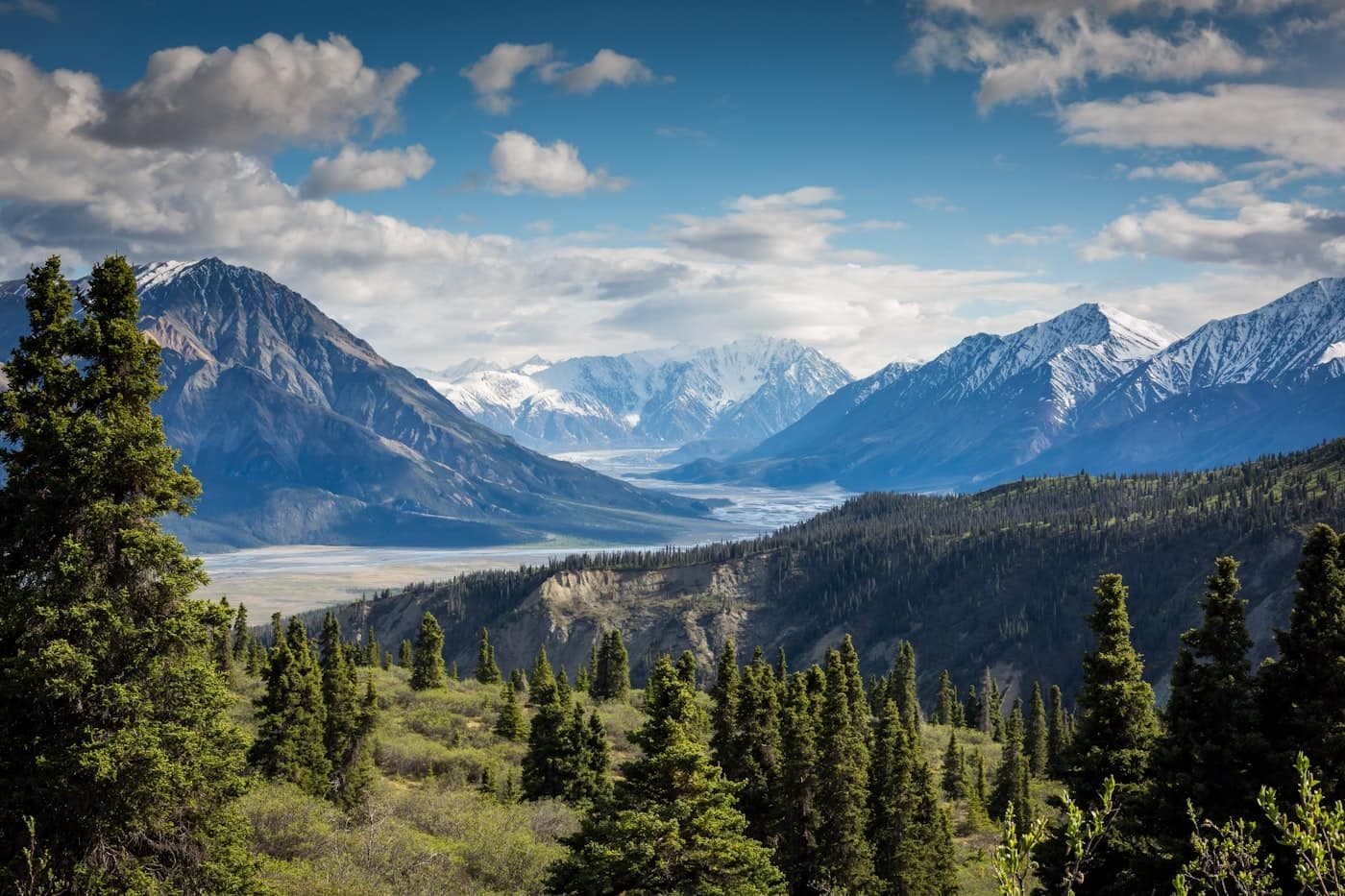 TOP SELLERmoderate4 Days | 3 Nights
Cross the iconic Indrahar Pass (≈4,342 m) on the Dhauladhar divide between Kangra and Chamba — serious altitude, scree, and huge Himalayan views. From ₹8,999.
₹10,999
₹8,999
18% OFFEMI starting at ₹3,000/monthi
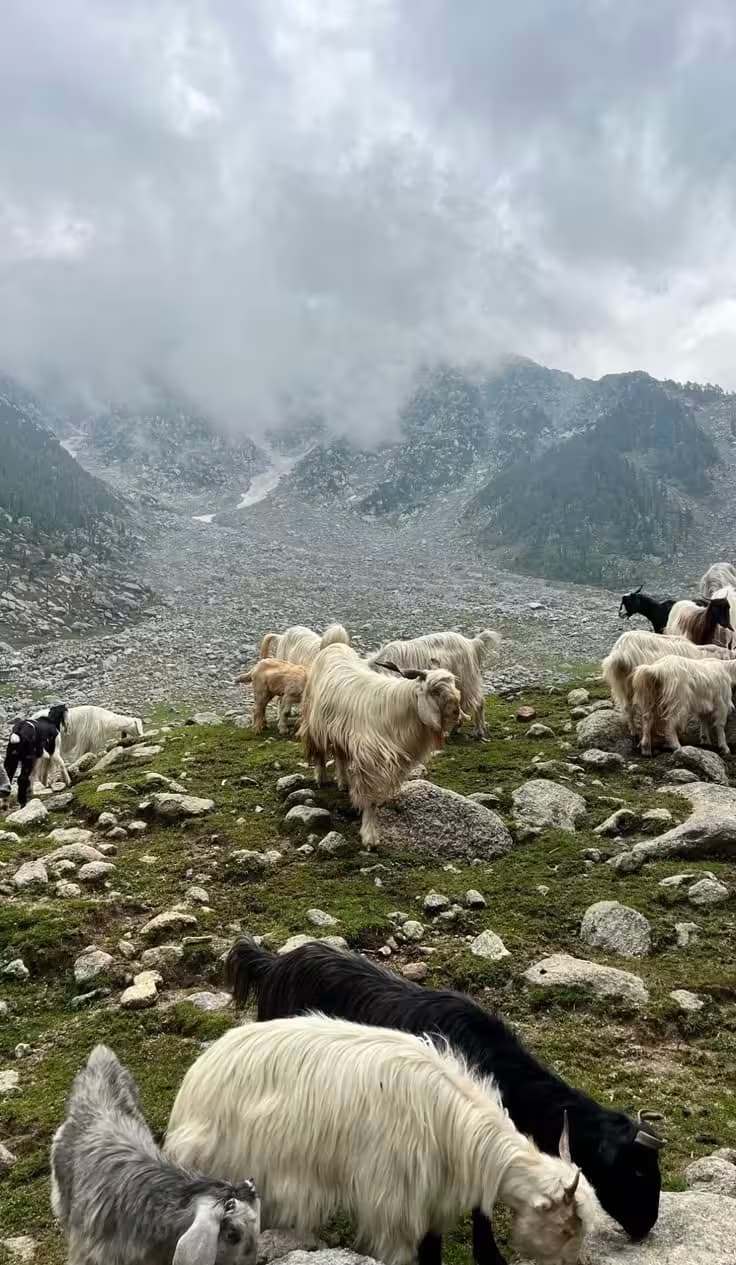 moderate3 Days | 2 Nights
2D/1N from Kareri Village near Dharamshala — oak forests, Nyund stream, and a high freshwater alpine lake. From ₹1,499.
₹1,499
₹1,399
7% OFFEMI starting at ₹999/monthi
 easy2 Days | 1 Night
2D/1N from Bhagsunag, Dharamshala — waterfall trail, Dhauladhar views, and camping under the stars. From ₹999.
₹999
₹899
10% OFFEMI starting at ₹999/monthi
Ready for the mountains?
Secure your seat on Bara Bhangal Trek or talk to a trek specialist for custom dates and group plans.