

 MOST BOOKEDmoderate2 Days | 1 Night
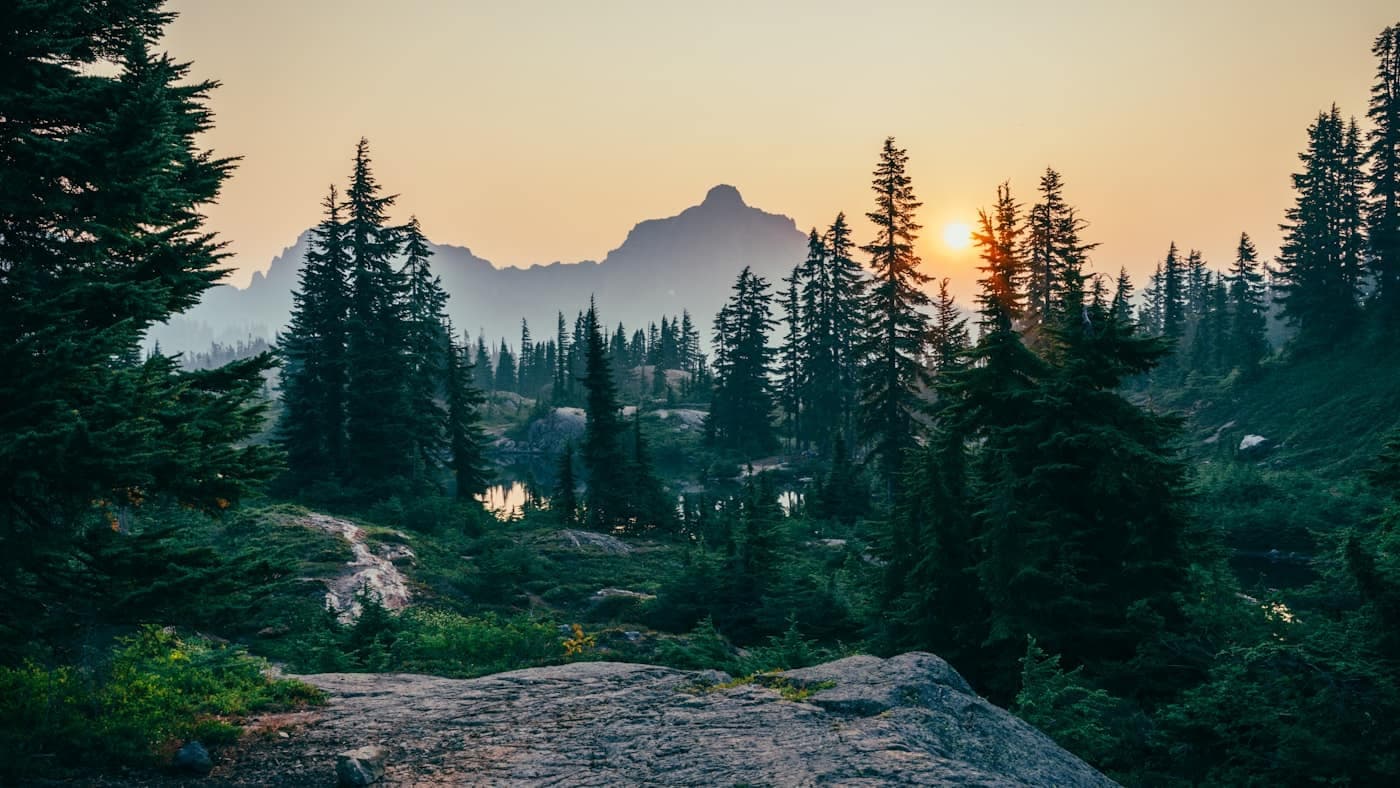
2D/1N Patalsu Peak Trek from Manali, Himachal Pradesh — guided Himalayan experience with India Holiday Destinations.
GuideMealsCampingPermits
₹10,099
₹7,599
25% OFFEMI starting at ₹2,533/monthi
Explore India's Most Incredible Treks
+91 89887 69444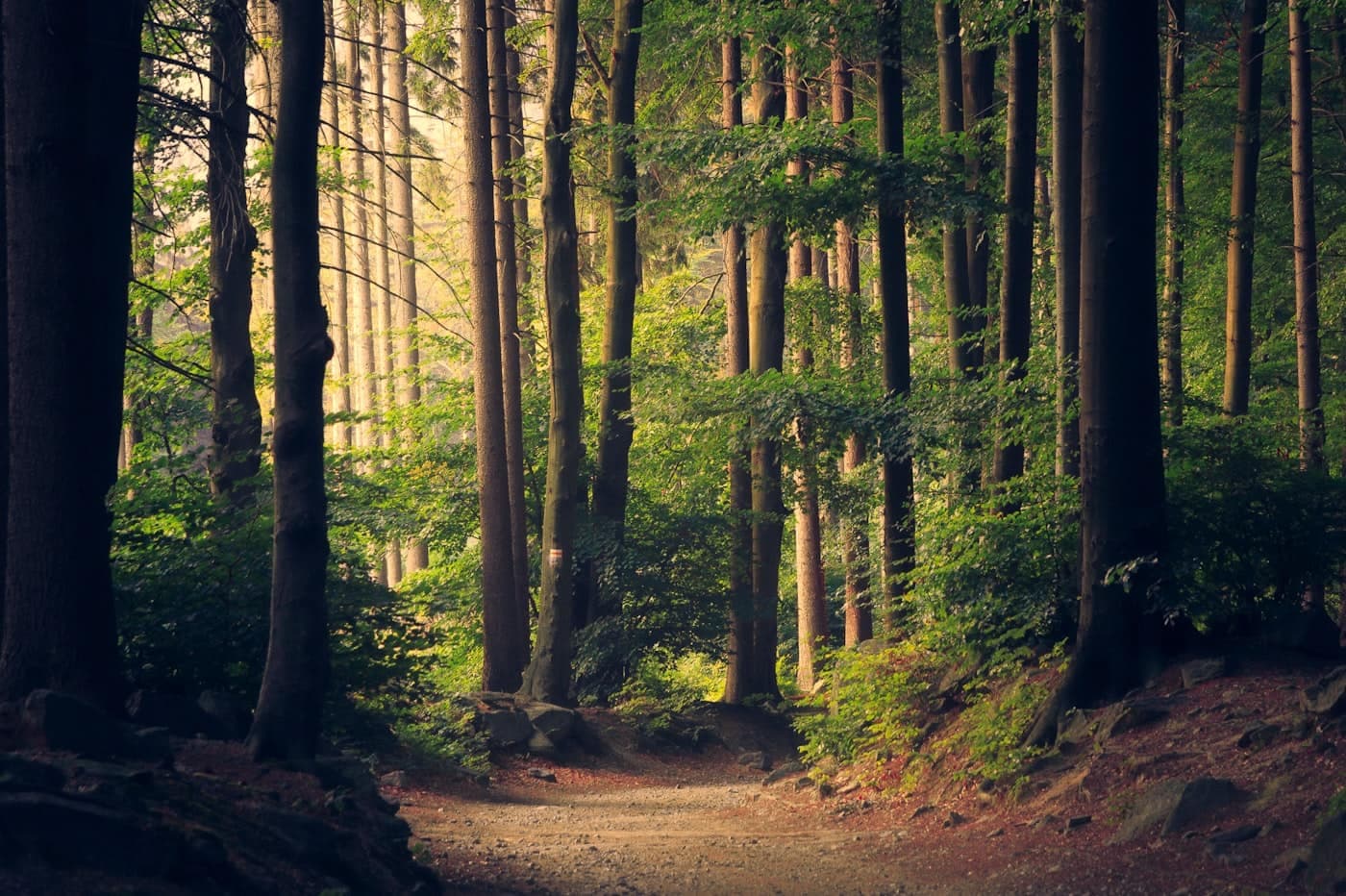
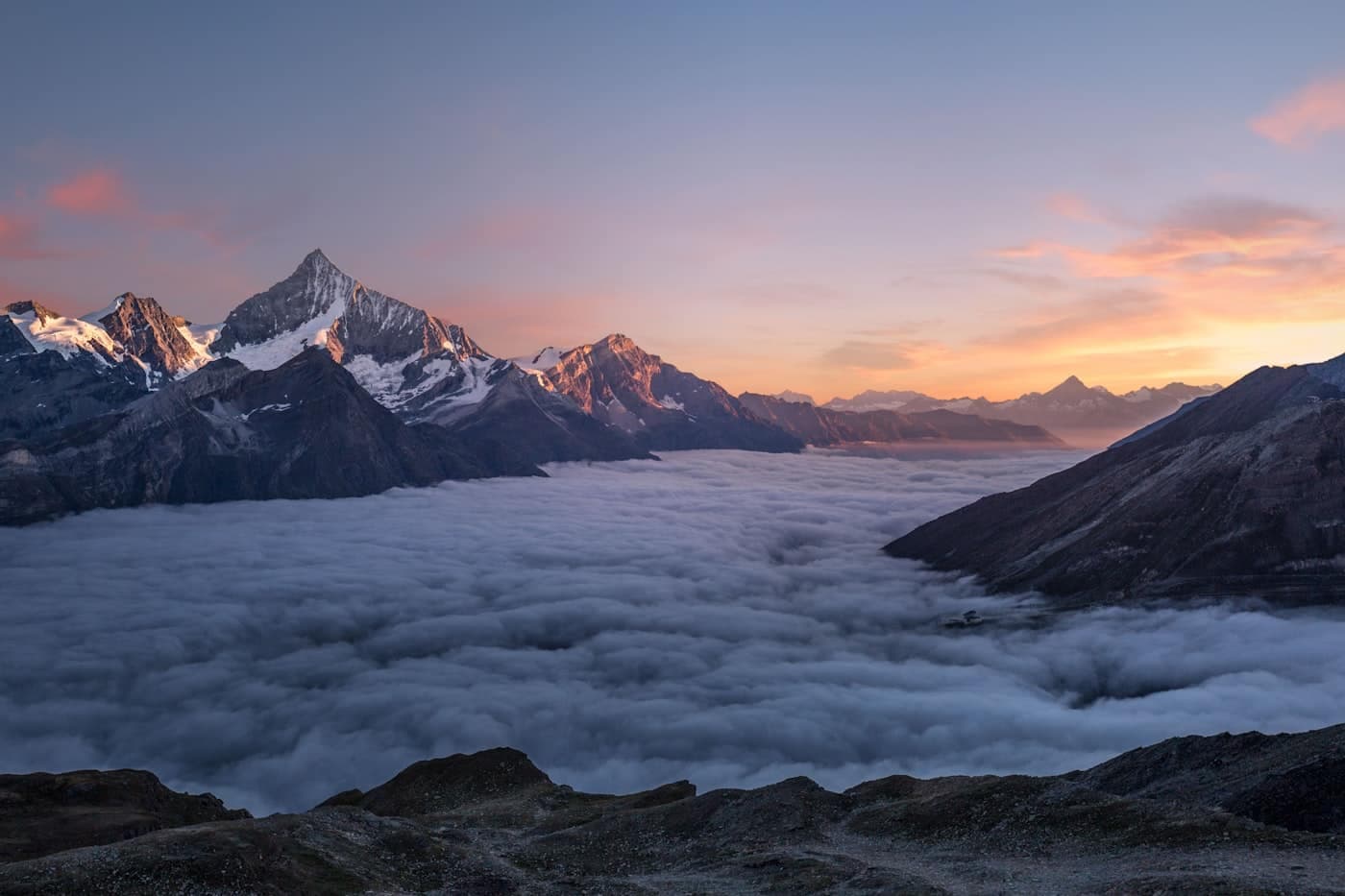
6D/5N Deo Tibba Base Camp Trek from Manali, Himachal Pradesh — guided Himalayan experience with India Holiday Destinations.
From
₹16,599/person
Inclusive of all taxes
Secure your spot with just 25% advance
Deo Tibba Base Camp Trek is a carefully curated Himalayan trek based around Manali in Himachal Pradesh. Rated moderate with a 6D/5N itinerary, this journey balances scenic walking, safe camping or homestays, and memorable mountain views. India Holiday Destinations handles permits, experienced local guides, meals on tre…
Deo Tibba Base Camp Trek Experience
02:45
Day-by-day plan for Deo Tibba Base Camp Trek
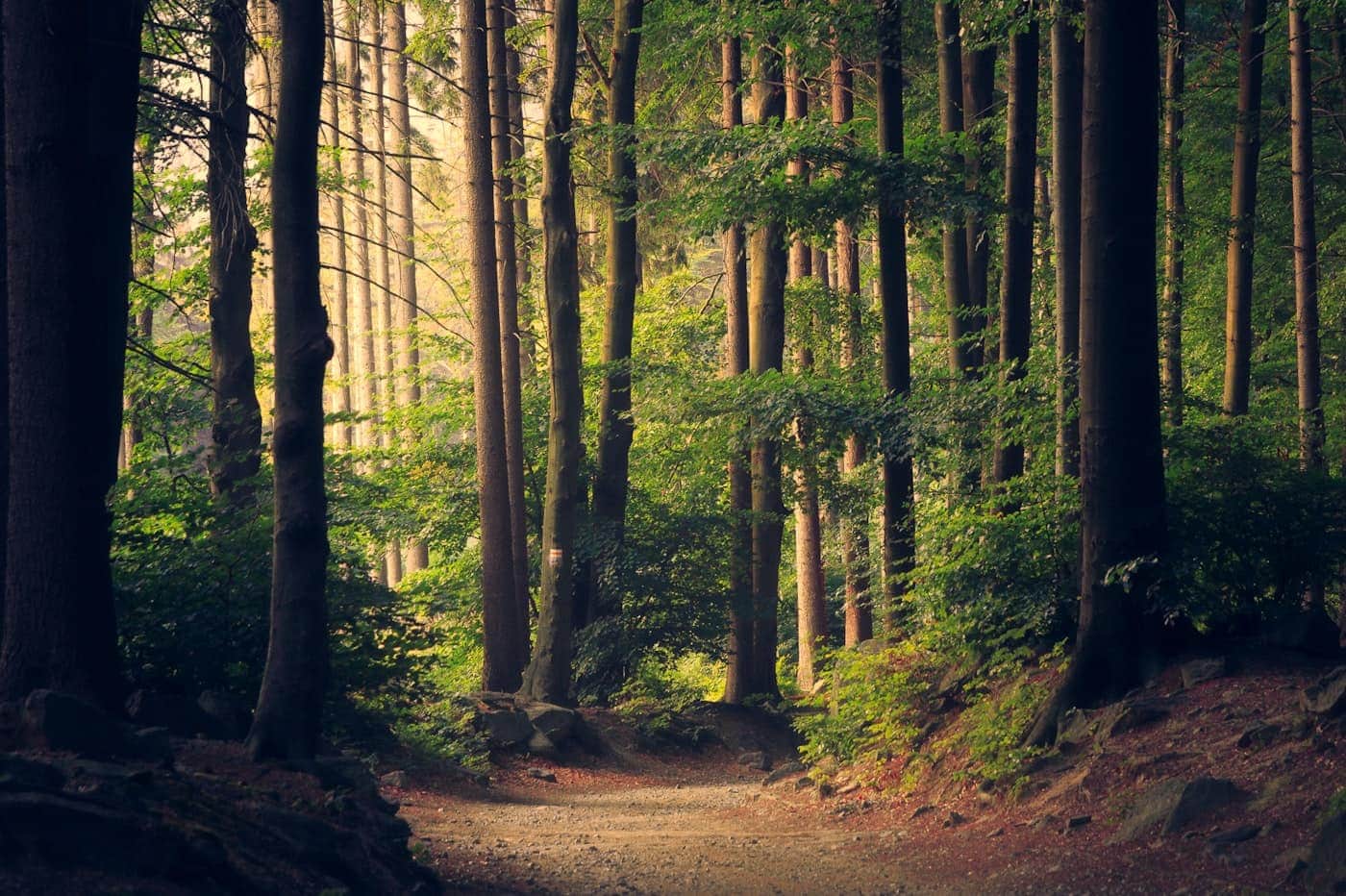
The approach to Deo Tibba begins in Jagatsukh, a village of genuine historical weight in the Kullu valley, once its ancient capital and still home to a pair of weathered stone temples dedicated to Shiva and the Sandhya Gayatri deity, their carvings softened by centuries of monsoon rain. From the village, the trail leaves the terraced barley fields behind and enters a hushed deodar forest, following the Duhangan stream as it tumbles down from the glaciers feeding Deo Tibba far above. The climb is steady rather than steep, and the forest canopy keeps the walk pleasantly shaded even as the sun climbs higher, with occasional clearings offering glimpses back down toward Jagatsukh's fields and the wider Kullu valley beyond. Wild strawberries and ferns crowd the trail's damper margins in season, and the sound of the Duhangan, never far from the path, provides a constant, cooling backdrop to the walk. As the forest opens into a broader valley shelf, Jobri appears, a modest camping ground used by shepherds and trekking groups alike, chosen for its flat ground and proximity to reliable water. Views from camp already hint at the scale of what lies ahead, with the lower flanks of the Deo Tibba massif visible through gaps in the surrounding ridgeline. This first day is intentionally moderate, allowing bodies to adjust gradually to altitude before the terrain grows more demanding over the coming days, and the relatively short distance leaves time in the afternoon to rest, explore the immediate area, or simply watch the light shift across the forested slopes. Dinner is taken early against the backdrop of a stream running loud in the near-dark, and the guide outlines the days ahead, emphasising the steady, cumulative nature of this particular route toward one of the Kullu valley's most striking peaks.
Lunch, Dinner
Camp
deodar forest trail, terraced village fields, riverside path along the Duhangan
Available
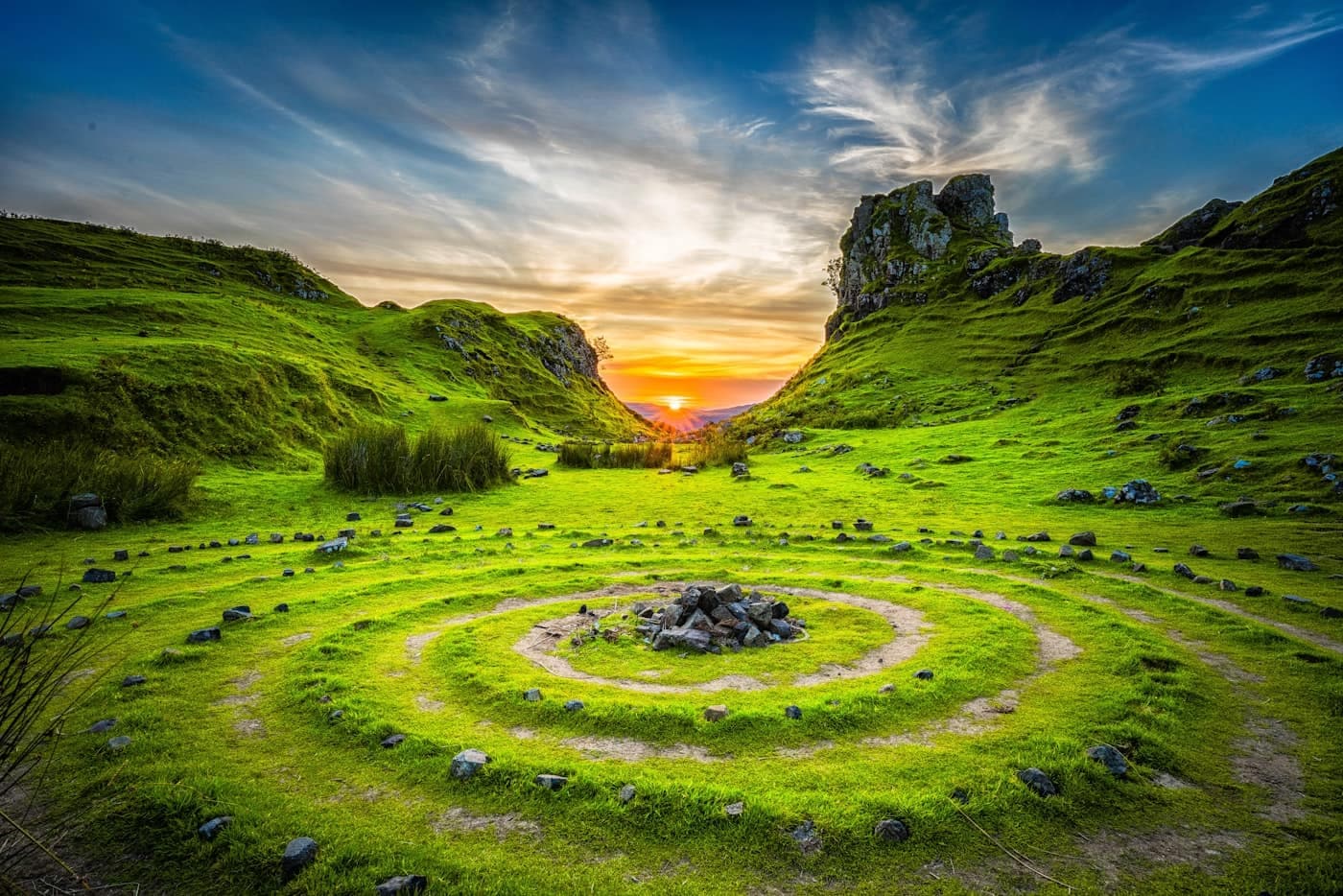
Beyond Jobri, the deodar forest gradually gives way to birch and increasingly dense rhododendron, the trail climbing in a series of manageable stages alongside the Duhangan, whose water grows colder and more heavily silted with glacial sediment the higher the trail goes. Rhododendron blooms spectacularly here through late spring, painting entire hillsides in shades of red and pink, though even outside that window the gnarled, moss-draped branches lend the forest a distinctly old, slightly mysterious character. Several stream crossings punctuate the day, mostly on stable log bridges though a couple require a careful direct wade, and the cold, clear water offers a welcome moment of relief on warmer afternoons. As the trail gains height, the forest begins to thin into scattered stands of birch interspersed with open grass, and the first proper views of Deo Tibba's glaciated upper slopes appear through breaks in the canopy, considerably closer and more imposing than the distant glimpses from Jobri. Seri, the day's destination, is a wide, gently sloping meadow favoured by shepherd communities for summer grazing, its grass kept short and springy by generations of livestock, and the camp here enjoys one of the more open, unobstructed outlooks on the entire route. Marmots are commonly seen darting between rocks at the meadow's edges, and the relative gentleness of the terrain compared to what lies ahead makes this an easy, restorative stop despite the steady altitude gain achieved over the day. Evening light on the peaks surrounding Seri often turns a deep gold before fading to blue, and the guide uses the calm atmosphere to talk through the trek's remaining stages, including the notably steeper ground that begins tomorrow as the route approaches Tainta and the base of the Deo Tibba glacier system itself.
Breakfast, Lunch, Dinner
Camp
birch and rhododendron forest, riverside meadow trail
Available
Things to Carry
Level: Moderate fitness · Score 6/10
Prepare with regular walks and stair practice before Deo Tibba Base Camp Trek.
Customer Reviews
FAQ
Experienced Trek Leaders
Safety First Approach
Quality Equipment
Sustainable Tourism
Local Support
First Aid Available
Premium Himalayan Adventure
Manali, Himachal PradeshDeo Tibba Base Camp Trek
6D/5N Deo Tibba Base Camp Trek from Manali, Himachal Pradesh — guided Himalayan experience with India Holiday Destinations.
From ₹16,599/ person
Enquire Now4.6
30 reviews
12k ft
Max altitude
6D / 5N
Moderate
Difficulty
Moderate
Duration
6D / 5N
Best Season
spring, summer, autumn
Trek Distance
42 km
Max Altitude
11,500 Ft (3,505 M)
Group Size
8-12
Deo Tibba Base Camp Trek is a carefully curated Himalayan trek based around Manali in Himachal Pradesh. Rated moderate with a 6D/5N itinerary, this journey balances scenic walking, safe camping or homestays, and memorable mountain views. India Holiday Destinations handles permits, experienced local guides, meals on tre…
Deo Tibba Base Camp Trek Experience
02:45
Experienced Trek Leaders
Safety First Approach
Quality Equipment
Sustainable Tourism
Local Support
First Aid Available
Day-by-day plan for Deo Tibba Base Camp Trek
The approach to Deo Tibba begins in Jagatsukh, a village of genuine historical weight in the Kullu valley, once its ancient capital and still home to a pair of weathered stone temples dedicated to Shiva and the Sandhya Gayatri deity, their carvings softened by centuries of monsoon rain. From the village, the trail leaves the terraced barley fields behind and enters a hushed deodar forest, following the Duhangan stream as it tumbles down from the glaciers feeding Deo Tibba far above. The climb is steady rather than steep, and the forest canopy keeps the walk pleasantly shaded even as the sun climbs higher, with occasional clearings offering glimpses back down toward Jagatsukh's fields and the wider Kullu valley beyond. Wild strawberries and ferns crowd the trail's damper margins in season, and the sound of the Duhangan, never far from the path, provides a constant, cooling backdrop to the walk. As the forest opens into a broader valley shelf, Jobri appears, a modest camping ground used by shepherds and trekking groups alike, chosen for its flat ground and proximity to reliable water. Views from camp already hint at the scale of what lies ahead, with the lower flanks of the Deo Tibba massif visible through gaps in the surrounding ridgeline. This first day is intentionally moderate, allowing bodies to adjust gradually to altitude before the terrain grows more demanding over the coming days, and the relatively short distance leaves time in the afternoon to rest, explore the immediate area, or simply watch the light shift across the forested slopes. Dinner is taken early against the backdrop of a stream running loud in the near-dark, and the guide outlines the days ahead, emphasising the steady, cumulative nature of this particular route toward one of the Kullu valley's most striking peaks.
Lunch, Dinner
Camp
deodar forest trail, terraced village fields, riverside path along the Duhangan
Available
Beyond Jobri, the deodar forest gradually gives way to birch and increasingly dense rhododendron, the trail climbing in a series of manageable stages alongside the Duhangan, whose water grows colder and more heavily silted with glacial sediment the higher the trail goes. Rhododendron blooms spectacularly here through late spring, painting entire hillsides in shades of red and pink, though even outside that window the gnarled, moss-draped branches lend the forest a distinctly old, slightly mysterious character. Several stream crossings punctuate the day, mostly on stable log bridges though a couple require a careful direct wade, and the cold, clear water offers a welcome moment of relief on warmer afternoons. As the trail gains height, the forest begins to thin into scattered stands of birch interspersed with open grass, and the first proper views of Deo Tibba's glaciated upper slopes appear through breaks in the canopy, considerably closer and more imposing than the distant glimpses from Jobri. Seri, the day's destination, is a wide, gently sloping meadow favoured by shepherd communities for summer grazing, its grass kept short and springy by generations of livestock, and the camp here enjoys one of the more open, unobstructed outlooks on the entire route. Marmots are commonly seen darting between rocks at the meadow's edges, and the relative gentleness of the terrain compared to what lies ahead makes this an easy, restorative stop despite the steady altitude gain achieved over the day. Evening light on the peaks surrounding Seri often turns a deep gold before fading to blue, and the guide uses the calm atmosphere to talk through the trek's remaining stages, including the notably steeper ground that begins tomorrow as the route approaches Tainta and the base of the Deo Tibba glacier system itself.
Breakfast, Lunch, Dinner
Camp
birch and rhododendron forest, riverside meadow trail
Available
Things to Carry
Level: Moderate fitness · Score 6/10
Prepare with regular walks and stair practice before Deo Tibba Base Camp Trek.
Customer Reviews
FAQ
MOST BOOKEDmoderate2 Days | 1 Night2D/1N Patalsu Peak Trek from Manali, Himachal Pradesh — guided Himalayan experience with India Holiday Destinations.
₹10,099
₹7,599
25% OFFEMI starting at ₹2,533/monthi
TOP SELLEReasy3 Days | 2 NightsWalk to the glacial source of the Beas River beneath Friendship Peak — ideal for first-time high-altitude trekkers.
₹6,499
₹5,499
15% OFFEMI starting at ₹1,833/monthi
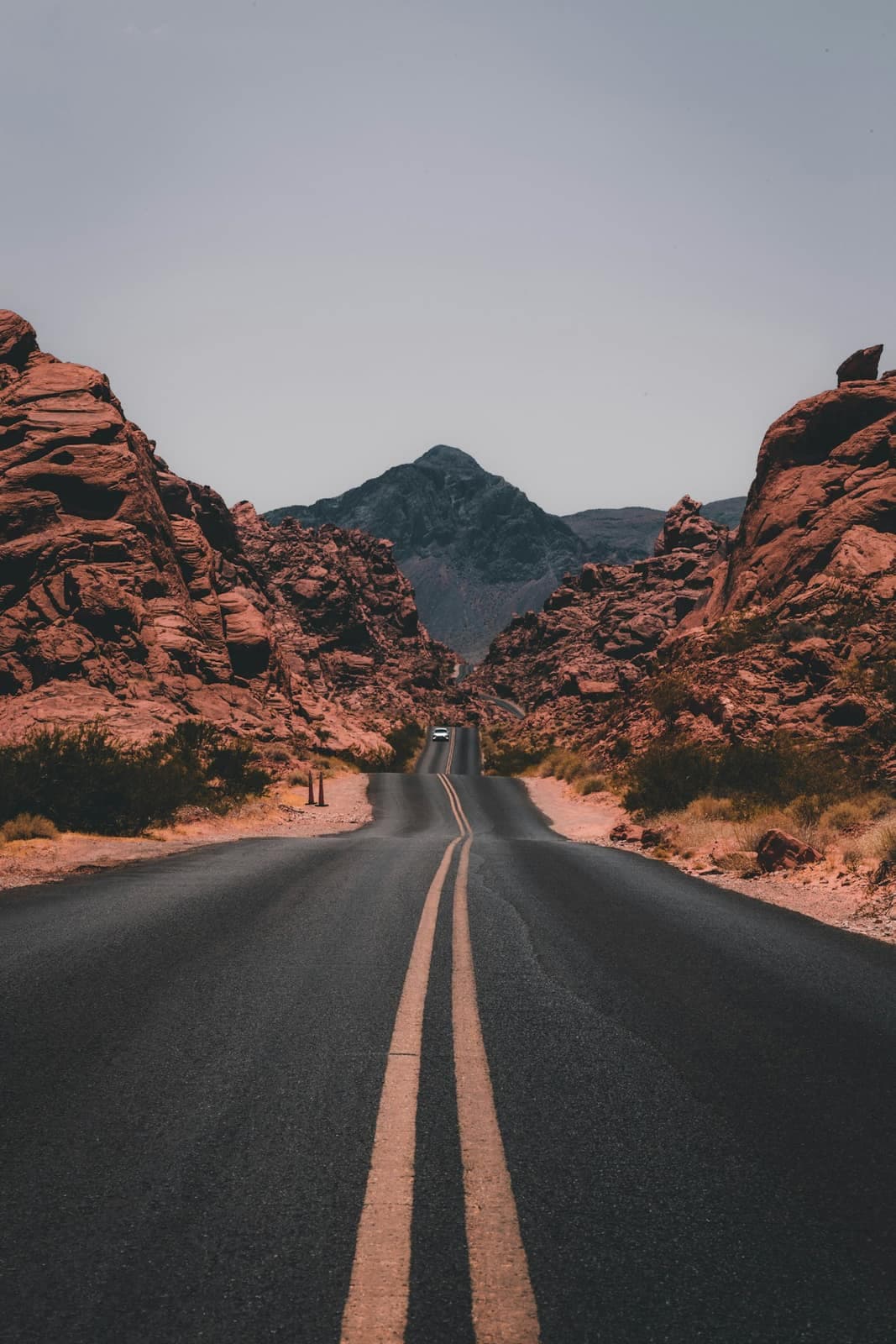 TOP SELLERmoderate4 Days | 3 Nights
A high alpine lake trail above Manali with meadow camps, dramatic ridgelines, and crystal-blue glacial water.
₹7,499
₹6,499
13% OFFEMI starting at ₹2,167/monthi
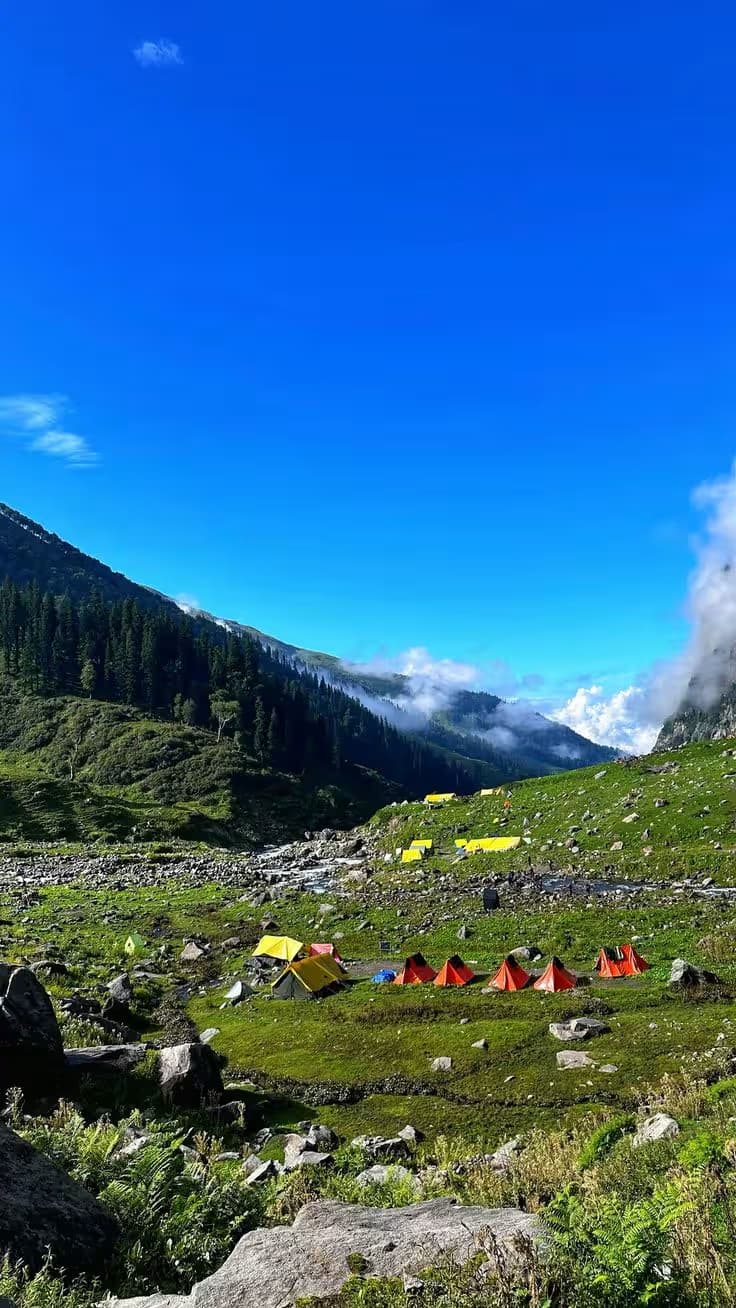 moderate5 Days | 4 Nights
Cross from lush Kullu meadows into the stark Spiti desert — one of India's most dramatic landscape switches in five days.
₹11,999
₹9,999
17% OFFEMI starting at ₹3,333/monthi
Ready for the mountains?
Secure your seat on Deo Tibba Base Camp Trek or talk to a trek specialist for custom dates and group plans.