

 TOP SELLERdifficult5 Days | 4 Nights
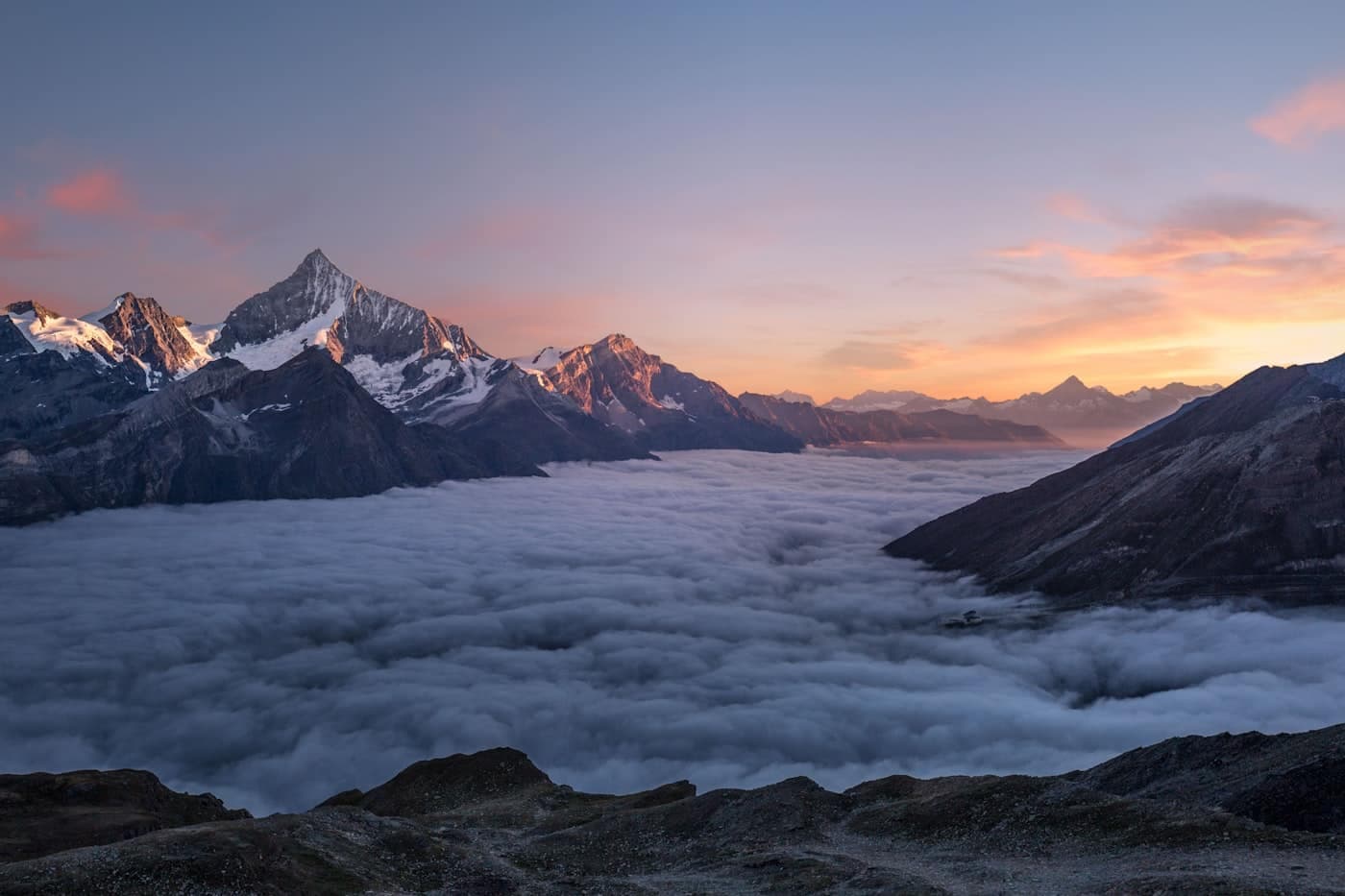
A demanding Dhauladhar crossing above Kareri Lake via Minkiani Pass — remote meadows, high camps, and few crowds. From ₹11,999.
GuideMealsCampingPermits
₹13,999
₹11,999
14% OFFEMI starting at ₹4,000/monthi
Explore India's Most Incredible Treks
+91 89887 69444
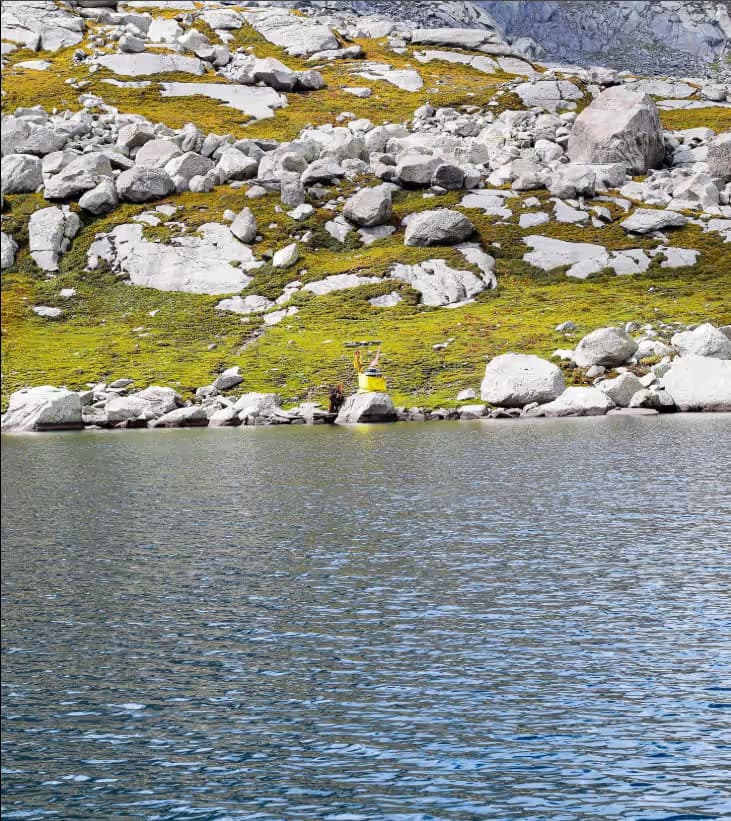
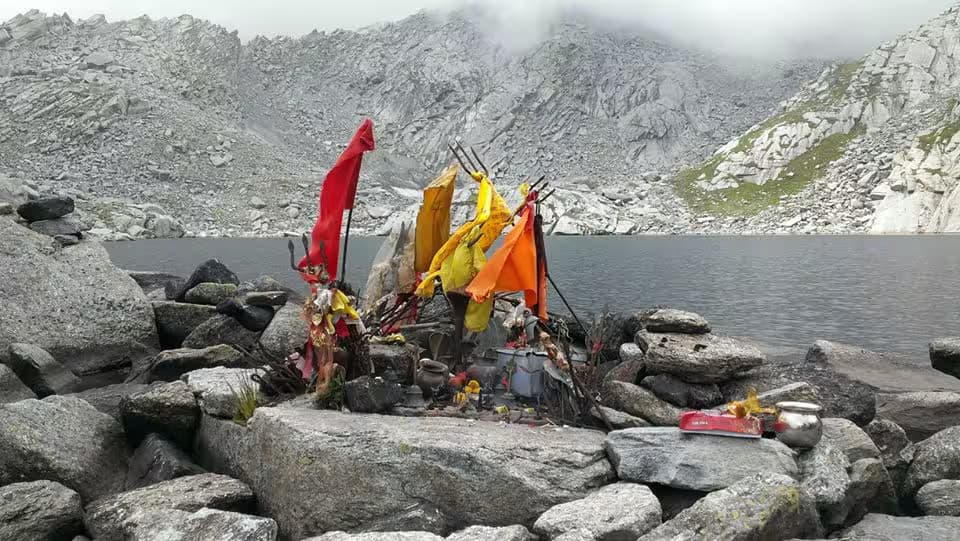
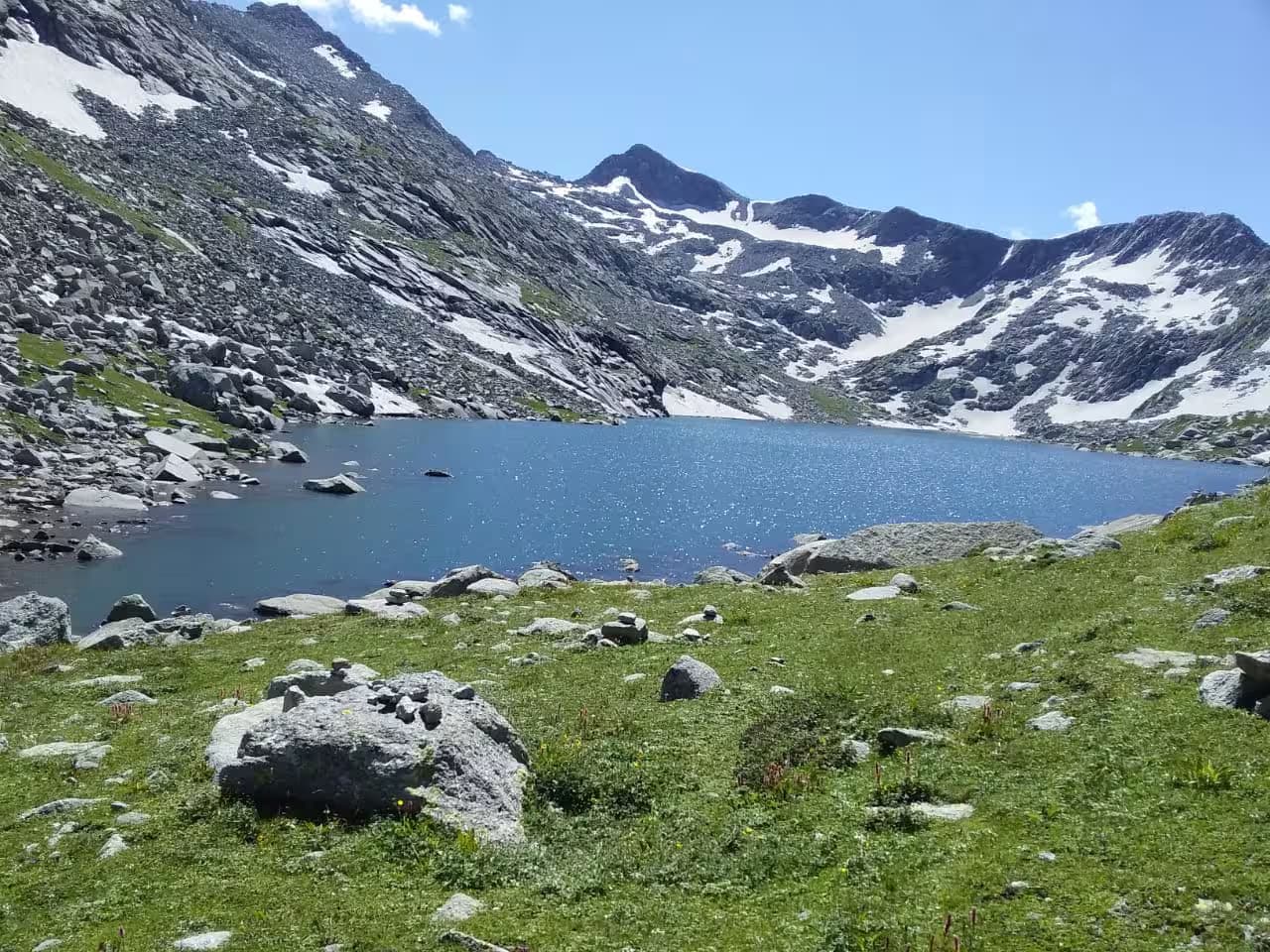
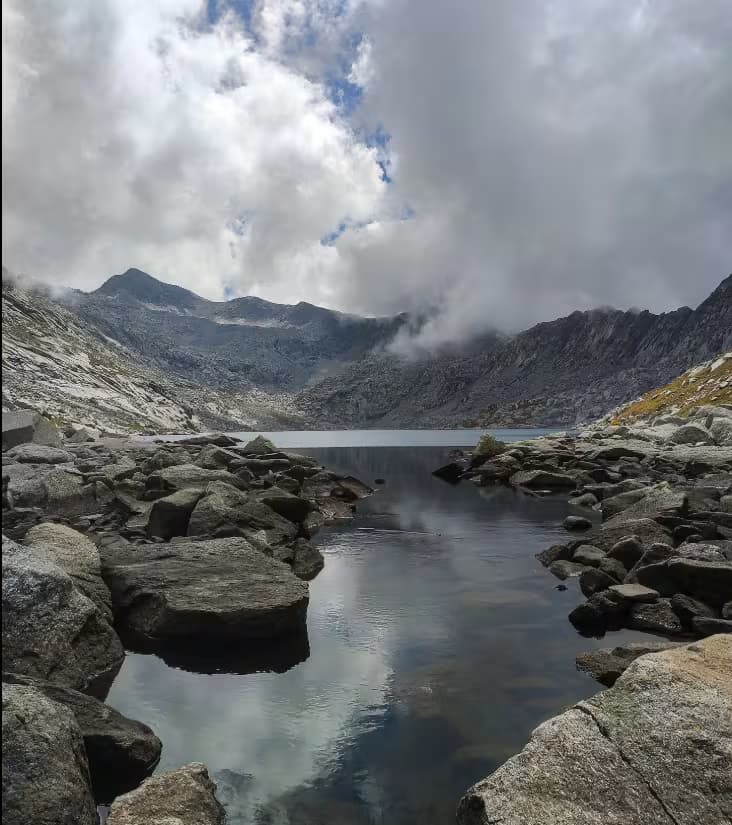
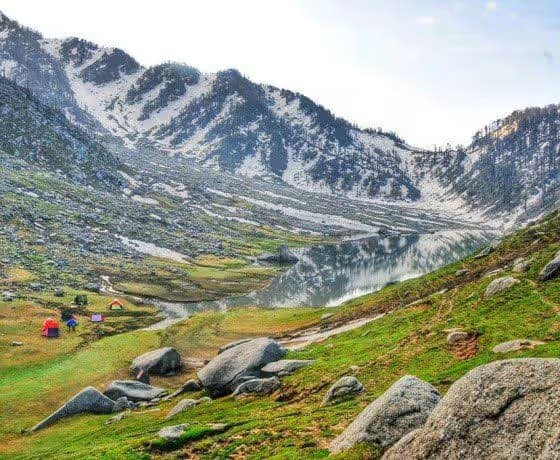
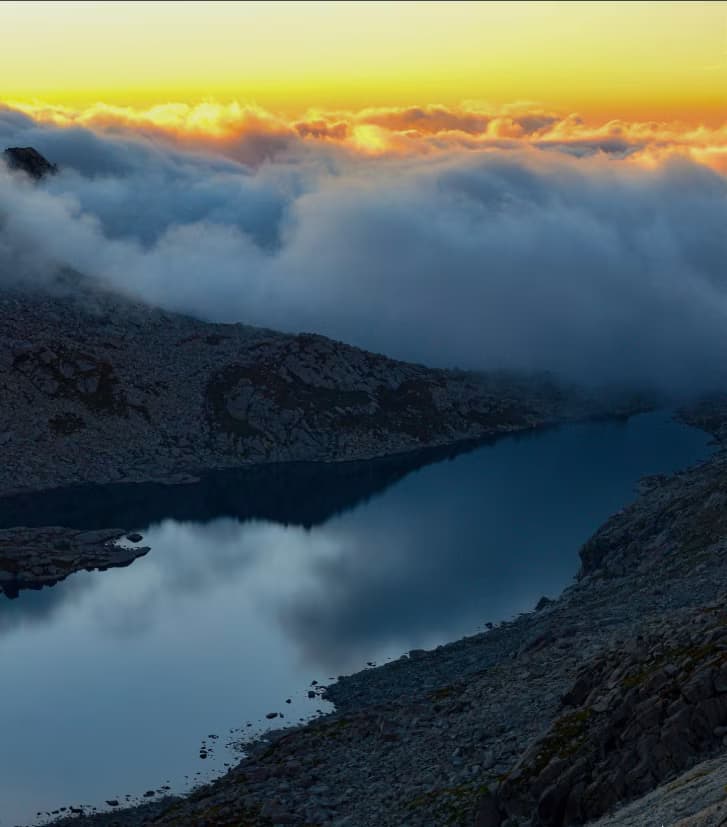
Pilgrim-meets-alpine trek to sacred Lam Dal in the Dhauladhar–Manimahesh hinterland — high meadows, glacial lakes, and remote camps. From ₹15,999.
From
₹15,999/person
Inclusive of all taxes
Secure your spot with just 25% advance
Lam Dal Trek is part of India Holiday Destinations’ Dharamshala and Dhauladhar collection. Pilgrim-meets-alpine trek to sacred Lam Dal in the Dhauladhar–Manimahesh hinterland — high meadows, glacial lakes, and remote camps. Lam Dal blends pilgrimage energy with glacial-lake silence. High pastures, cold water, and remo…
Lam Dal Lake Trek Experience
02:45
Day-by-day plan for Lam Dal Lake Trek
The Lam Dal trek begins in Bir, a town better known internationally for the paragliding site at nearby Billing than for the considerably wilder terrain that opens up just behind it. From the edge of Bir's Tibetan colony, the trail climbs steadily through terraced tea gardens before entering forest, following what is largely an old jeep track used occasionally by supply vehicles serving the villages of Chhota Bhangal further up the valley. Oak dominates the lower forest, giving way gradually to rhododendron and then to blue pine as the gradient steepens through a series of long, looping switchbacks. Streams cross the track at regular intervals, most running clear and fast enough by midday that filtering rather than treating chemically is generally sufficient, and each crossing offers a natural pause to look back over the widening view of the Kangra valley's tea-covered lower slopes. Villages here belong to the Gaddi and Chhota Bhangal shepherd communities, distinct in dialect and dress from those closer to Dharamshala, and small clusters of slate-roofed houses appear at intervals, their fields planted with potato and maize rather than the wheat seen lower down. Rajgundha itself sits on a broad, sloping meadow shelf, one of the last proper villages before the trail commits fully to wilderness, and its guesthouses, simple but comfortable, are run by families who have long supported trekking groups heading toward Lam Dal and the wider Chhota Bhangal high country. The evening offers sweeping views back down toward Bir and the Kangra plains beyond, often lit gold as the sun drops, and the guide uses dinner to outline the considerably wilder stages ahead, since the trail beyond Rajgundha grows quiet and remote very quickly.
Lunch, Dinner
Guesthouse (Rajgundha)
old jeep track, oak and rhododendron switchbacks, meadow village approach
Available
Beyond Rajgundha, the trail loses its jeep-track character almost immediately, narrowing into a genuine forest path that climbs through increasingly dense fir and spruce, the canopy overhead thick enough that direct sunlight becomes a rare, welcome interruption rather than a constant. The forest floor is carpeted with a deep layer of needle litter, and fungi in a startling range of colours appear along the path's damper stretches, particularly after recent rain. Himalayan monal are occasionally heard, and less often seen, calling from deeper in the forest, their sharp, distinctive whistle a highlight for anyone attentive enough to catch it over the sound of boots on the trail. As the forest begins to thin near the day's end, the trail opens onto a scatter of grazing meadows dotted with thatch, the simple stone-and-timber shelters built by Gaddi shepherds who move their flocks up to these pastures for the summer months. Palachak Thatch, the day's camp, is one such clearing, chosen by generations of shepherds for its flat ground and proximity to a reliable spring emerging from beneath a mossy rock face just above the site. The setting feels distinctly wilder than anything encountered on the first day, with the Dhauladhar's higher ridgeline now visible in fragments through gaps in the surrounding forest, hinting at the terrain still to come. Evening temperatures drop sharply once the sun disappears behind the ridge, and the group typically gathers close around the cooking fire, sharing food with any shepherds currently based at the thatch, whose knowledge of the trail conditions ahead to Lam Dal is treated as valuable, up-to-date information rather than mere conversation.
Breakfast, Packed Lunch, Dinner
Camp (Palachak)
dense fir and spruce forest, grazing meadow, shepherd thatch clearing
Available
Things to Carry
Level: High endurance & prior trek experience · Score 78/10
The Lam Dal Trek demands challenging effort across 6 day(s). Train with stair climbs and loaded walks; respect altitude above 12800 ft.
Customer Reviews
FAQ
Experienced Trek Leaders
Safety First Approach
Quality Equipment
Sustainable Tourism
Local Support
First Aid Available
Premium Himalayan Adventure
Kangra, Himachal PradeshLam Dal Lake Trek
Pilgrim-meets-alpine trek to sacred Lam Dal in the Dhauladhar–Manimahesh hinterland — high meadows, glacial lakes, and remote camps. From ₹15,999.
From ₹15,999/ person
Enquire Now0.0
0 reviews
11k ft
Max altitude
6D / 5N
Moderate
Difficulty
Moderate
Duration
6D / 5N
Best Season
April–June and September–November for most stable Dhauladhar weather
Trek Distance
48 km
Max Altitude
11,000 Ft (3,353 M)
Group Size
Join a group | Seasonal fixed departures
Lam Dal Trek is part of India Holiday Destinations’ Dharamshala and Dhauladhar collection. Pilgrim-meets-alpine trek to sacred Lam Dal in the Dhauladhar–Manimahesh hinterland — high meadows, glacial lakes, and remote camps. Lam Dal blends pilgrimage energy with glacial-lake silence. High pastures, cold water, and remo…
Lam Dal Lake Trek Experience
02:45
Experienced Trek Leaders
Safety First Approach
Quality Equipment
Sustainable Tourism
Local Support
First Aid Available
Day-by-day plan for Lam Dal Lake Trek
The Lam Dal trek begins in Bir, a town better known internationally for the paragliding site at nearby Billing than for the considerably wilder terrain that opens up just behind it. From the edge of Bir's Tibetan colony, the trail climbs steadily through terraced tea gardens before entering forest, following what is largely an old jeep track used occasionally by supply vehicles serving the villages of Chhota Bhangal further up the valley. Oak dominates the lower forest, giving way gradually to rhododendron and then to blue pine as the gradient steepens through a series of long, looping switchbacks. Streams cross the track at regular intervals, most running clear and fast enough by midday that filtering rather than treating chemically is generally sufficient, and each crossing offers a natural pause to look back over the widening view of the Kangra valley's tea-covered lower slopes. Villages here belong to the Gaddi and Chhota Bhangal shepherd communities, distinct in dialect and dress from those closer to Dharamshala, and small clusters of slate-roofed houses appear at intervals, their fields planted with potato and maize rather than the wheat seen lower down. Rajgundha itself sits on a broad, sloping meadow shelf, one of the last proper villages before the trail commits fully to wilderness, and its guesthouses, simple but comfortable, are run by families who have long supported trekking groups heading toward Lam Dal and the wider Chhota Bhangal high country. The evening offers sweeping views back down toward Bir and the Kangra plains beyond, often lit gold as the sun drops, and the guide uses dinner to outline the considerably wilder stages ahead, since the trail beyond Rajgundha grows quiet and remote very quickly.
Lunch, Dinner
Guesthouse (Rajgundha)
old jeep track, oak and rhododendron switchbacks, meadow village approach
Available
Beyond Rajgundha, the trail loses its jeep-track character almost immediately, narrowing into a genuine forest path that climbs through increasingly dense fir and spruce, the canopy overhead thick enough that direct sunlight becomes a rare, welcome interruption rather than a constant. The forest floor is carpeted with a deep layer of needle litter, and fungi in a startling range of colours appear along the path's damper stretches, particularly after recent rain. Himalayan monal are occasionally heard, and less often seen, calling from deeper in the forest, their sharp, distinctive whistle a highlight for anyone attentive enough to catch it over the sound of boots on the trail. As the forest begins to thin near the day's end, the trail opens onto a scatter of grazing meadows dotted with thatch, the simple stone-and-timber shelters built by Gaddi shepherds who move their flocks up to these pastures for the summer months. Palachak Thatch, the day's camp, is one such clearing, chosen by generations of shepherds for its flat ground and proximity to a reliable spring emerging from beneath a mossy rock face just above the site. The setting feels distinctly wilder than anything encountered on the first day, with the Dhauladhar's higher ridgeline now visible in fragments through gaps in the surrounding forest, hinting at the terrain still to come. Evening temperatures drop sharply once the sun disappears behind the ridge, and the group typically gathers close around the cooking fire, sharing food with any shepherds currently based at the thatch, whose knowledge of the trail conditions ahead to Lam Dal is treated as valuable, up-to-date information rather than mere conversation.
Breakfast, Packed Lunch, Dinner
Camp (Palachak)
dense fir and spruce forest, grazing meadow, shepherd thatch clearing
Available
Things to Carry
Level: High endurance & prior trek experience · Score 78/10
The Lam Dal Trek demands challenging effort across 6 day(s). Train with stair climbs and loaded walks; respect altitude above 12800 ft.
Customer Reviews
FAQ
TOP SELLERdifficult5 Days | 4 NightsA demanding Dhauladhar crossing above Kareri Lake via Minkiani Pass — remote meadows, high camps, and few crowds. From ₹11,999.
₹13,999
₹11,999
14% OFFEMI starting at ₹4,000/monthi
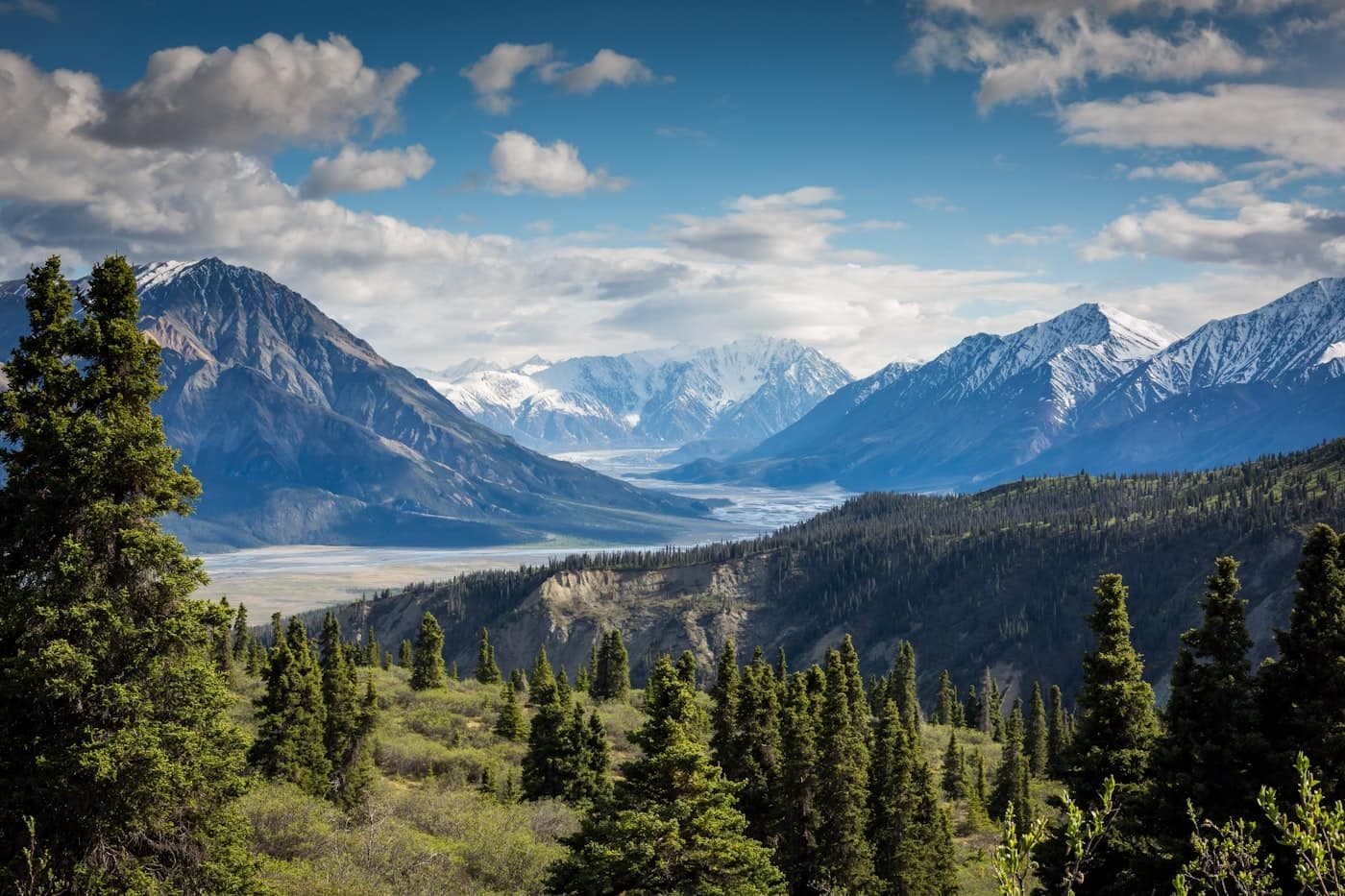 TOP SELLERmoderate4 Days | 3 Nights
Cross the iconic Indrahar Pass (≈4,342 m) on the Dhauladhar divide between Kangra and Chamba — serious altitude, scree, and huge Himalayan views. From ₹8,999.
₹10,999
₹8,999
18% OFFEMI starting at ₹3,000/monthi
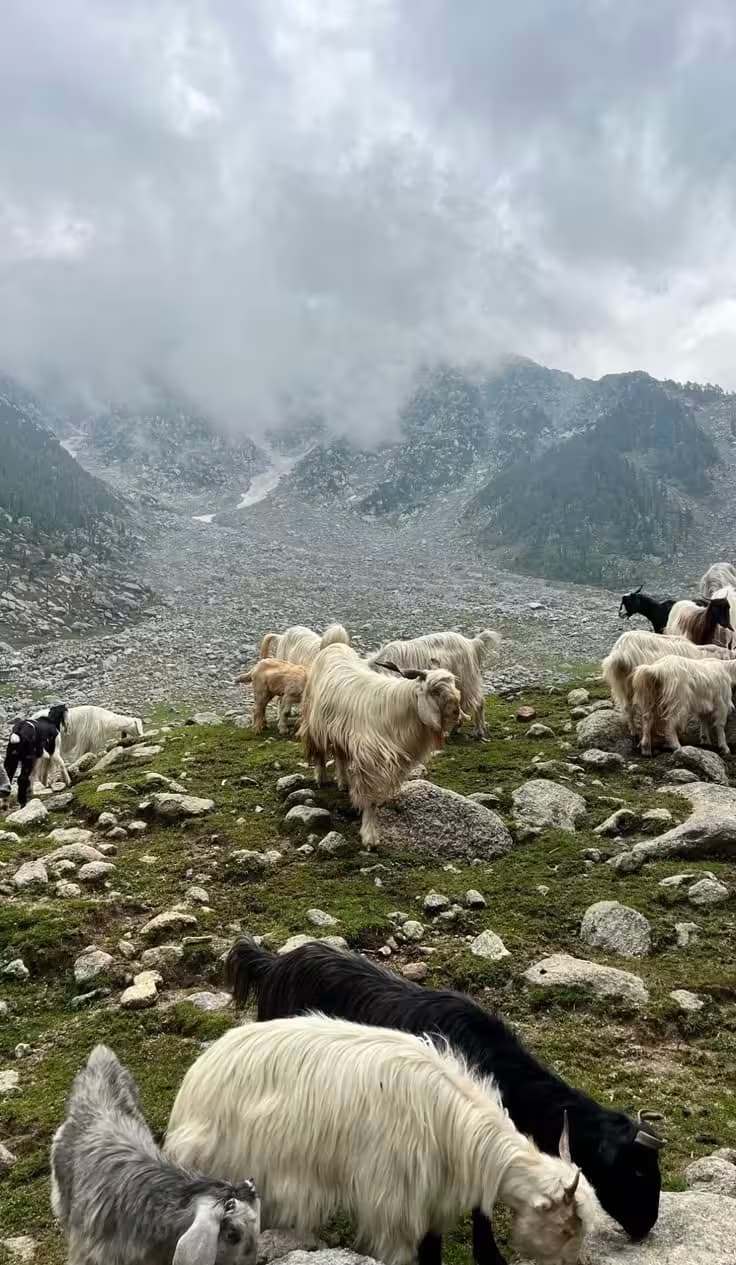 moderate3 Days | 2 Nights
2D/1N from Kareri Village near Dharamshala — oak forests, Nyund stream, and a high freshwater alpine lake. From ₹1,499.
₹1,499
₹1,399
7% OFFEMI starting at ₹999/monthi
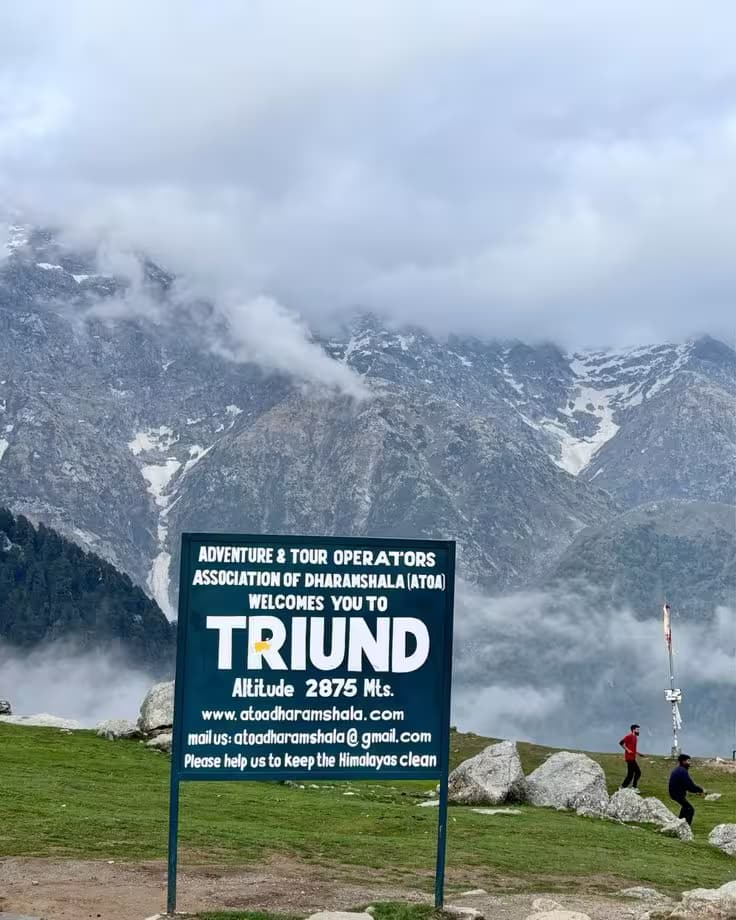 easy2 Days | 1 Night
2D/1N from Bhagsunag, Dharamshala — waterfall trail, Dhauladhar views, and camping under the stars. From ₹999.
₹999
₹899
10% OFFEMI starting at ₹999/monthi
Ready for the mountains?
Secure your seat on Lam Dal Lake Trek or talk to a trek specialist for custom dates and group plans.