

 TOP SELLERdifficult5 Days | 4 Nights
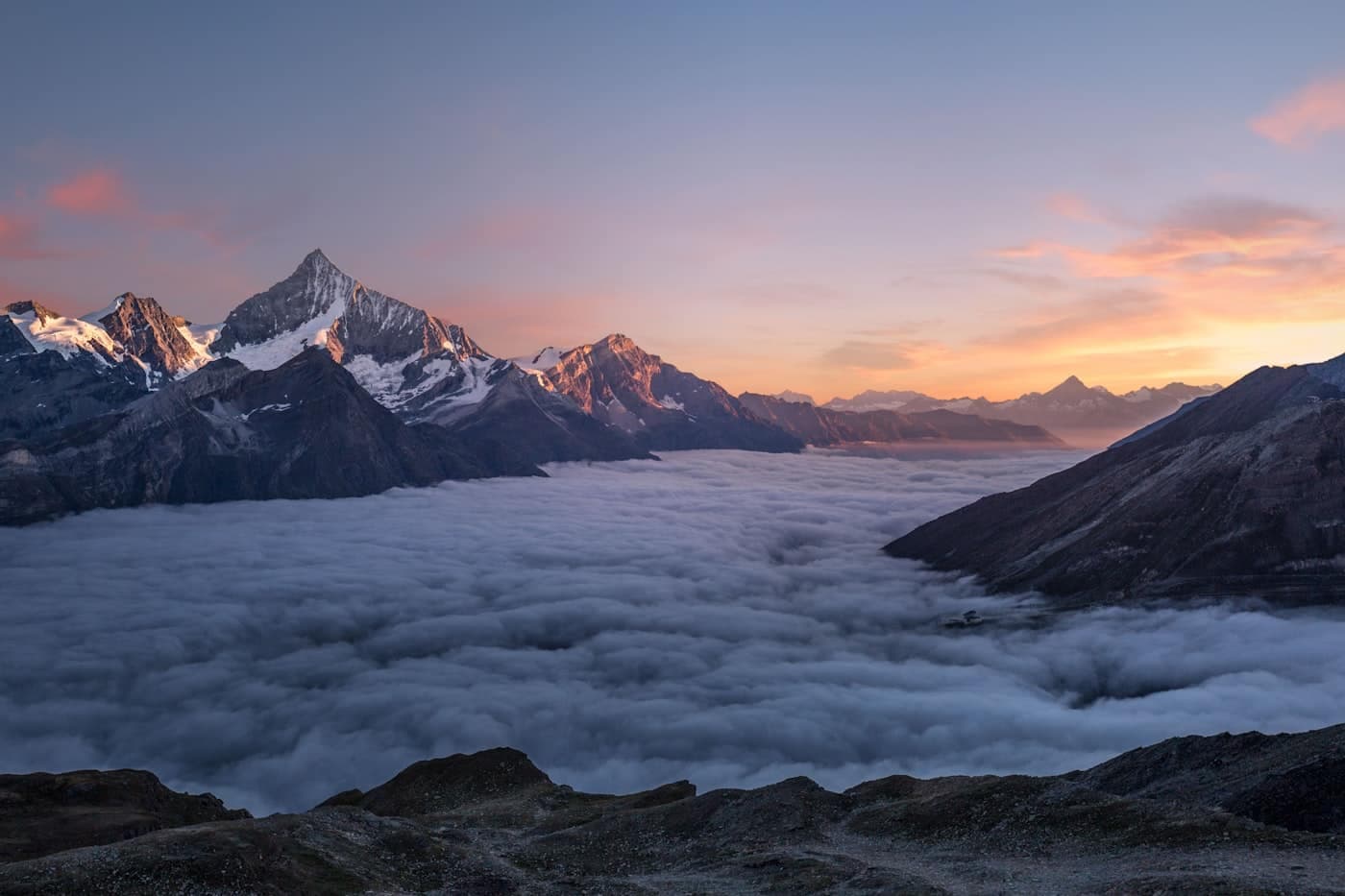
A demanding Dhauladhar crossing above Kareri Lake via Minkiani Pass — remote meadows, high camps, and few crowds. From ₹11,999.
GuideMealsCampingPermits
₹13,999
₹11,999
14% OFFEMI starting at ₹4,000/monthi
Explore India's Most Incredible Treks
+91 89887 69444
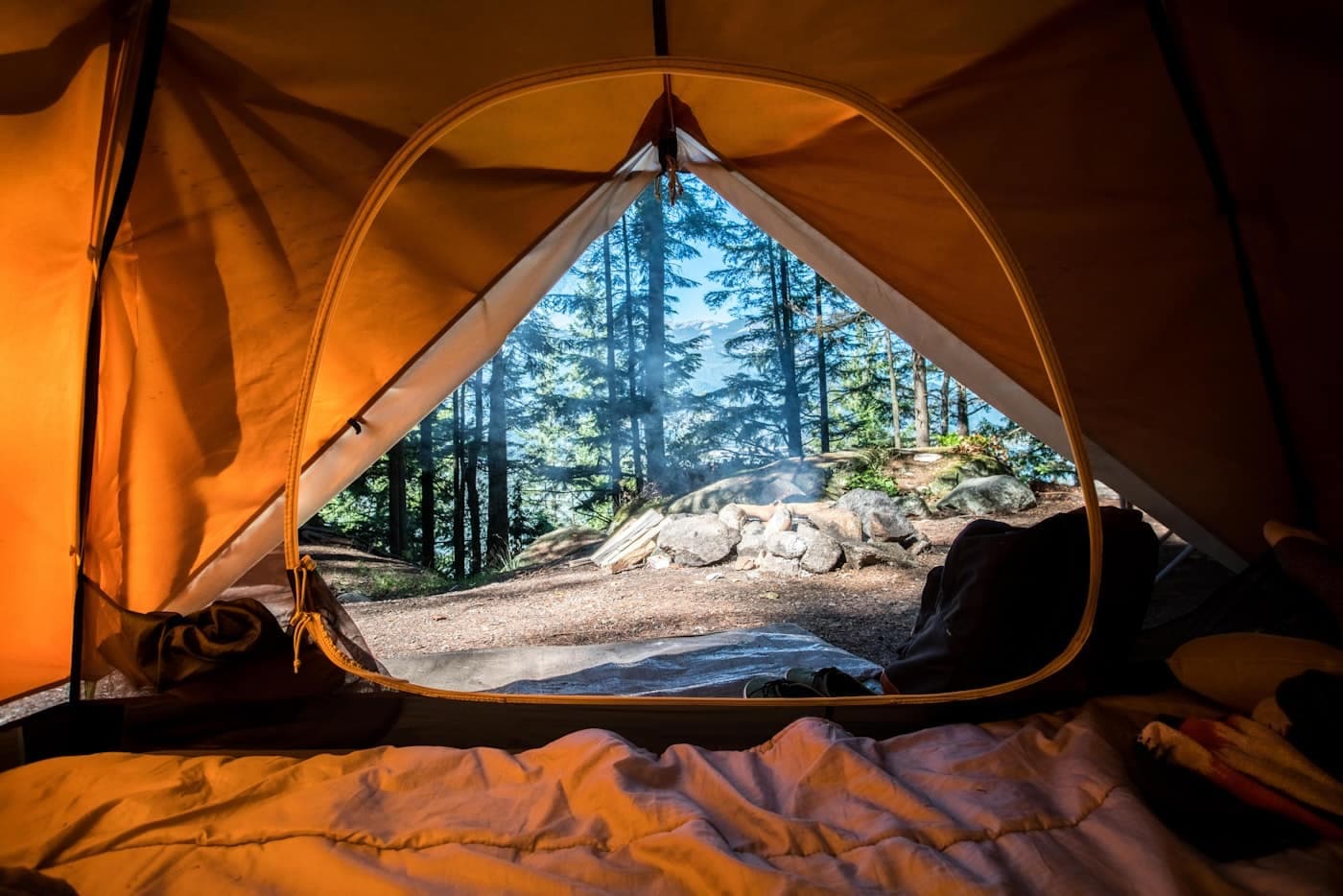
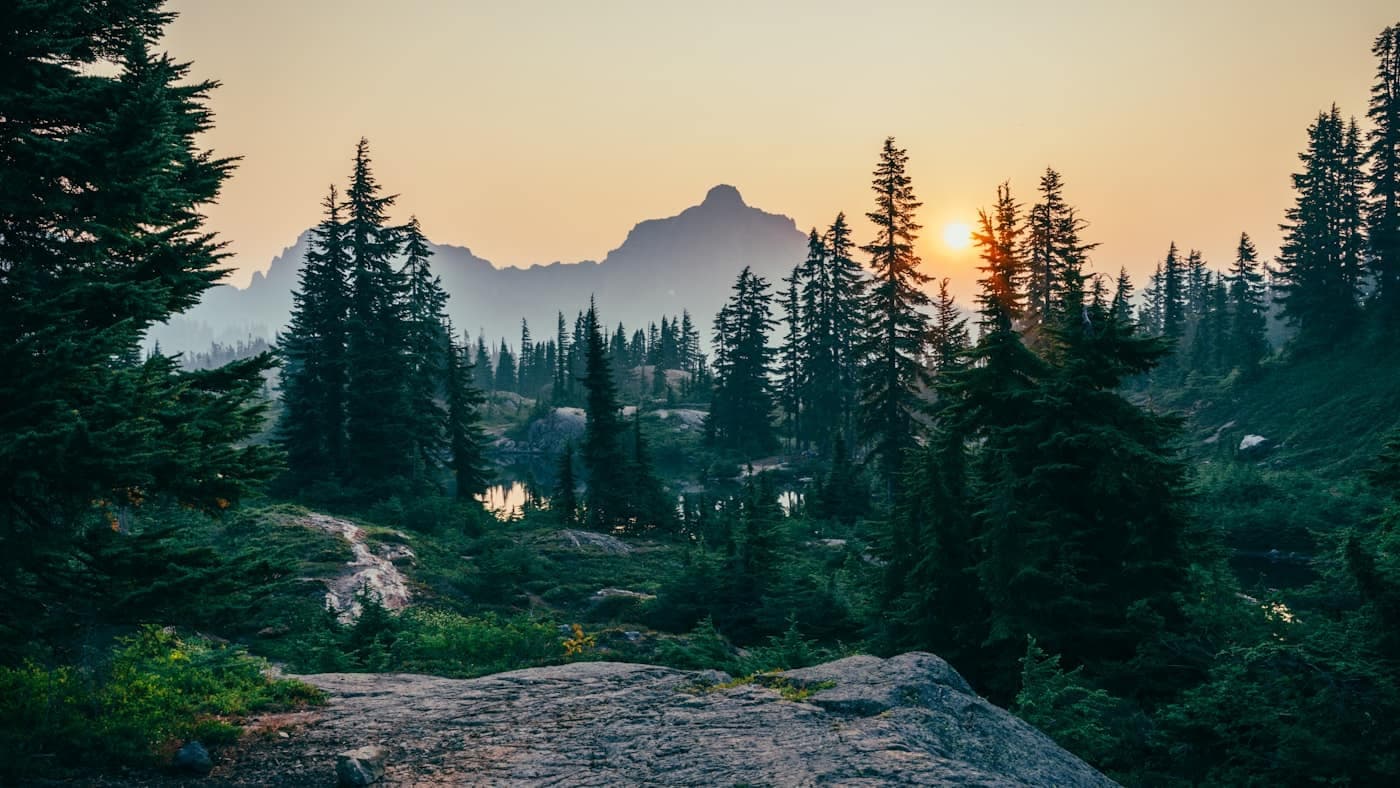
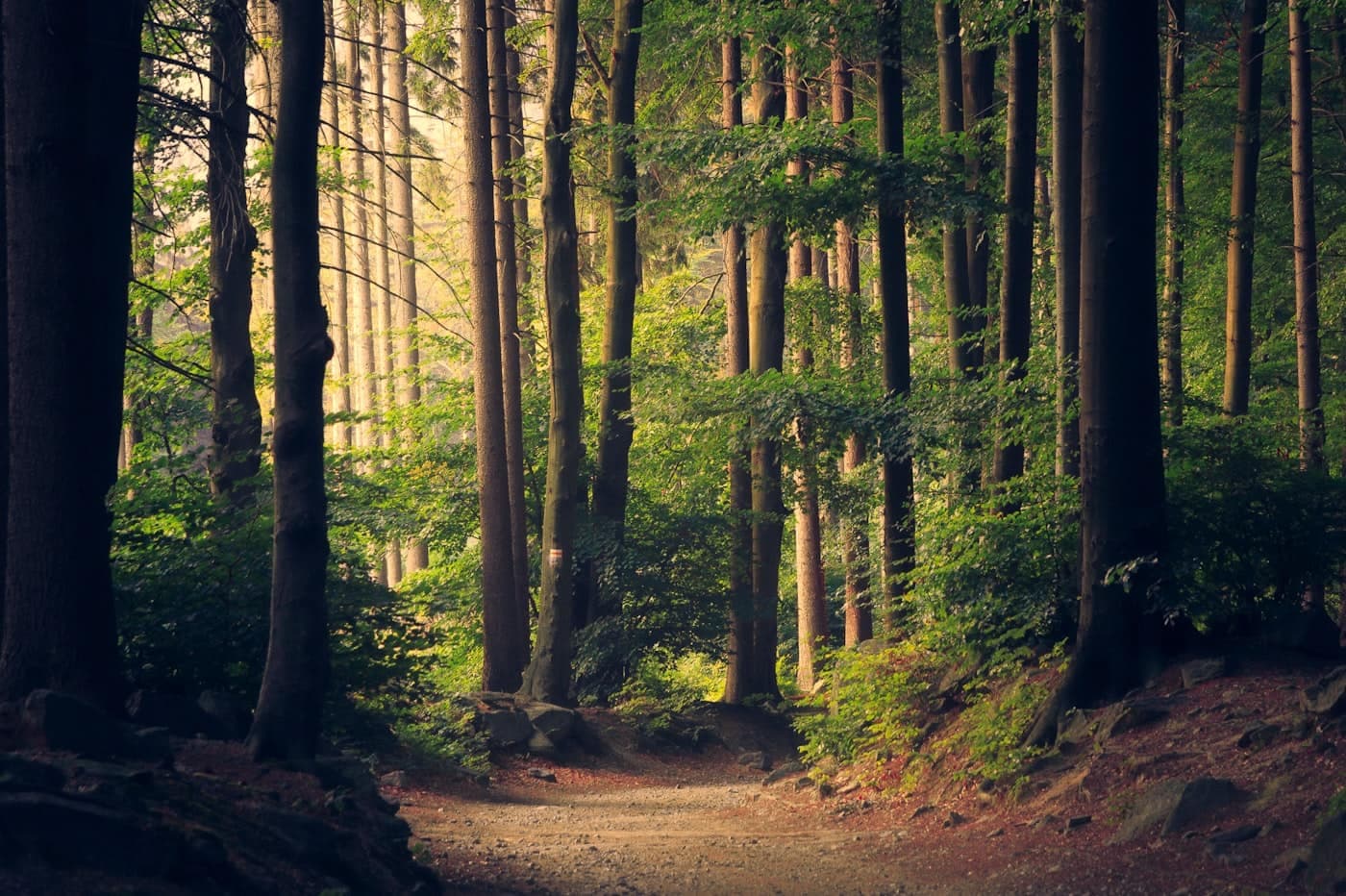
Explore the Saat Dal (seven lakes) circuit in the high Dhauladhar — multi-lake camping, cold nights, and few commercial groups. From ₹16,999.
From
₹16,999/person
Inclusive of all taxes
Secure your spot with just 25% advance
Saat Dal Trek is part of India Holiday Destinations’ Dharamshala and Dhauladhar collection. Explore the Saat Dal (seven lakes) circuit in the high Dhauladhar — multi-lake camping, cold nights, and few commercial groups. Saat Dal’s multi-lake circuit rewards those who like repetition with variation — each tarn has its…
Seven Lakes Trek Experience
02:45
Day-by-day plan for Seven Lakes Trek
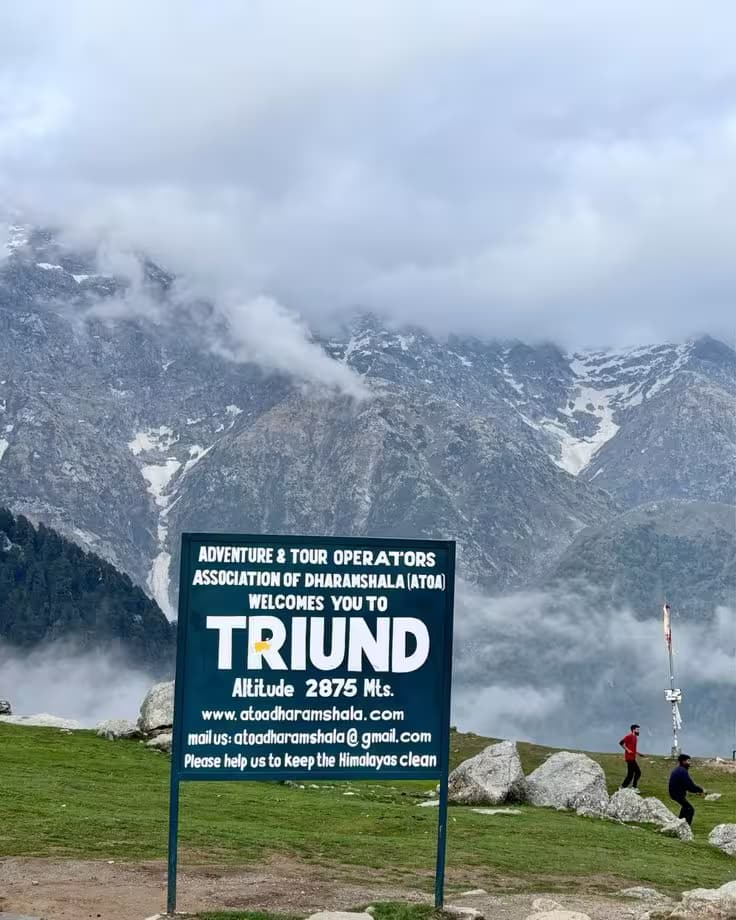
The seven-lakes traverse is among the longest and most physically demanding routes in this part of the Dhauladhar, and it opens with a comparatively gentle climb from McLeod Ganj through Dharamkot, a hillside hamlet now as well known for its paragliding launch pad and rooftop cafes as for its position on the old trekking route to Triund. Beyond Dharamkot's last guesthouses, the trail narrows into forest, climbing through mixed oak and oak-scrub for the first hour before the terrain opens onto broader hillside meadows dotted with grazing cattle belonging to families in the villages below. Paragliders occasionally drift overhead in the mid-morning thermals, an incongruous but colourful sight against the backdrop of the Dhauladhar's grey rock. As the trail gains height, rhododendron becomes the dominant tree, and in the right window of spring their red blooms carpet entire hillsides, a striking contrast to the otherwise muted palette of bark and stone. Several small tea stalls operate along this stretch through the main trekking season, their owners often carrying loads of supplies up from Dharamkot each morning, and stopping at one or two is as much about supporting the local economy as it is about resting tired legs. The final approach to Triund climbs through a band of stunted, weather-bent trees before opening onto the broad grassy ridge, and for a group beginning a seven-day traverse toward the high lake basins, this first sight of the Dhauladhar's full wall carries particular weight, since the route ahead will eventually pass behind several of the visible ridgelines rather than simply admiring them from below. Camp is set toward the quieter end of the ridge, and the evening briefing outlines the coming week in broad strokes, from the technical short stage to Lahesh Cave through the long, remote traverse of the lake basins and the eventual descent toward Kareri.
Lunch, Evening Tea, Dinner
Camp
hillside meadow path, rhododendron switchbacks, open ridge
Available
Where a simple pass trek might treat the climb from Triund to Lahesh Cave as the final push before a summit day, on the seven-lakes traverse it is only the first of several demanding stages, and the distinction shapes how the day is paced. The trail leaves Triund's grass behind almost immediately, tackling a long, unbroken slope of scree and tussock grass that rewards a slow, metronomic pace far more than any burst of speed. Small cairns, built up over years by passing trekking groups, mark the vaguer sections of trail where the ground offers no obvious line, and following them carefully saves considerable time over guessing a route through the looser rock. Partway up, a distinctive slab known locally for its resemblance to a sleeping animal serves as an informal rest point, its flat top just wide enough for the group to sit and refill water from a thin trickle emerging from beneath it. Himalayan griffons and lammergeiers are regularly seen riding thermals along this exposed face, circling with an ease that makes the group's laboured breathing at this altitude feel all the more obvious by comparison. Lahesh Cave's rock overhang, when it finally appears, offers the same blackened shelter it has provided travellers for generations, and camp is arranged carefully in its lee, since tomorrow's stage does not return here but instead branches away from the standard Indrahar approach onto the far less trodden traverse line toward the first of the seven lakes. The guide spends extra time this evening on route-finding notes for the coming days, since the path beyond here thins into intermittent shepherd tracks rather than a clearly defined trail, and confirms that everyone's layering system is adequate for the colder, more exposed camps that lie ahead in the lake basins.
Breakfast, Packed Lunch, Dinner
Camp (Lahesh Cave)
long scree slope, cairned route-finding, rock overhang shelter
Available
Things to Carry
Level: High endurance & prior trek experience · Score 78/10
The Saat Dal Trek demands challenging effort across 7 day(s). Train with stair climbs and loaded walks; respect altitude above 13200 ft.
Customer Reviews
FAQ
Experienced Trek Leaders
Safety First Approach
Quality Equipment
Sustainable Tourism
Local Support
First Aid Available
Premium Himalayan Adventure
Dharamshala, Himachal PradeshSeven Lakes Trek
Explore the Saat Dal (seven lakes) circuit in the high Dhauladhar — multi-lake camping, cold nights, and few commercial groups. From ₹16,999.
From ₹16,999/ person
Enquire Now4.6
30 reviews
12k ft
Max altitude
7D / 6N
Moderate
Difficulty
Moderate
Duration
7D / 6N
Best Season
April–June and September–November for most stable Dhauladhar weather
Trek Distance
55 km
Max Altitude
11,500 Ft (3,505 M)
Group Size
Join a group | Seasonal fixed departures
Saat Dal Trek is part of India Holiday Destinations’ Dharamshala and Dhauladhar collection. Explore the Saat Dal (seven lakes) circuit in the high Dhauladhar — multi-lake camping, cold nights, and few commercial groups. Saat Dal’s multi-lake circuit rewards those who like repetition with variation — each tarn has its…
Seven Lakes Trek Experience
02:45
Experienced Trek Leaders
Safety First Approach
Quality Equipment
Sustainable Tourism
Local Support
First Aid Available
Day-by-day plan for Seven Lakes Trek
The seven-lakes traverse is among the longest and most physically demanding routes in this part of the Dhauladhar, and it opens with a comparatively gentle climb from McLeod Ganj through Dharamkot, a hillside hamlet now as well known for its paragliding launch pad and rooftop cafes as for its position on the old trekking route to Triund. Beyond Dharamkot's last guesthouses, the trail narrows into forest, climbing through mixed oak and oak-scrub for the first hour before the terrain opens onto broader hillside meadows dotted with grazing cattle belonging to families in the villages below. Paragliders occasionally drift overhead in the mid-morning thermals, an incongruous but colourful sight against the backdrop of the Dhauladhar's grey rock. As the trail gains height, rhododendron becomes the dominant tree, and in the right window of spring their red blooms carpet entire hillsides, a striking contrast to the otherwise muted palette of bark and stone. Several small tea stalls operate along this stretch through the main trekking season, their owners often carrying loads of supplies up from Dharamkot each morning, and stopping at one or two is as much about supporting the local economy as it is about resting tired legs. The final approach to Triund climbs through a band of stunted, weather-bent trees before opening onto the broad grassy ridge, and for a group beginning a seven-day traverse toward the high lake basins, this first sight of the Dhauladhar's full wall carries particular weight, since the route ahead will eventually pass behind several of the visible ridgelines rather than simply admiring them from below. Camp is set toward the quieter end of the ridge, and the evening briefing outlines the coming week in broad strokes, from the technical short stage to Lahesh Cave through the long, remote traverse of the lake basins and the eventual descent toward Kareri.
Lunch, Evening Tea, Dinner
Camp
hillside meadow path, rhododendron switchbacks, open ridge
Available
Where a simple pass trek might treat the climb from Triund to Lahesh Cave as the final push before a summit day, on the seven-lakes traverse it is only the first of several demanding stages, and the distinction shapes how the day is paced. The trail leaves Triund's grass behind almost immediately, tackling a long, unbroken slope of scree and tussock grass that rewards a slow, metronomic pace far more than any burst of speed. Small cairns, built up over years by passing trekking groups, mark the vaguer sections of trail where the ground offers no obvious line, and following them carefully saves considerable time over guessing a route through the looser rock. Partway up, a distinctive slab known locally for its resemblance to a sleeping animal serves as an informal rest point, its flat top just wide enough for the group to sit and refill water from a thin trickle emerging from beneath it. Himalayan griffons and lammergeiers are regularly seen riding thermals along this exposed face, circling with an ease that makes the group's laboured breathing at this altitude feel all the more obvious by comparison. Lahesh Cave's rock overhang, when it finally appears, offers the same blackened shelter it has provided travellers for generations, and camp is arranged carefully in its lee, since tomorrow's stage does not return here but instead branches away from the standard Indrahar approach onto the far less trodden traverse line toward the first of the seven lakes. The guide spends extra time this evening on route-finding notes for the coming days, since the path beyond here thins into intermittent shepherd tracks rather than a clearly defined trail, and confirms that everyone's layering system is adequate for the colder, more exposed camps that lie ahead in the lake basins.
Breakfast, Packed Lunch, Dinner
Camp (Lahesh Cave)
long scree slope, cairned route-finding, rock overhang shelter
Available
Things to Carry
Level: High endurance & prior trek experience · Score 78/10
The Saat Dal Trek demands challenging effort across 7 day(s). Train with stair climbs and loaded walks; respect altitude above 13200 ft.
Customer Reviews
FAQ
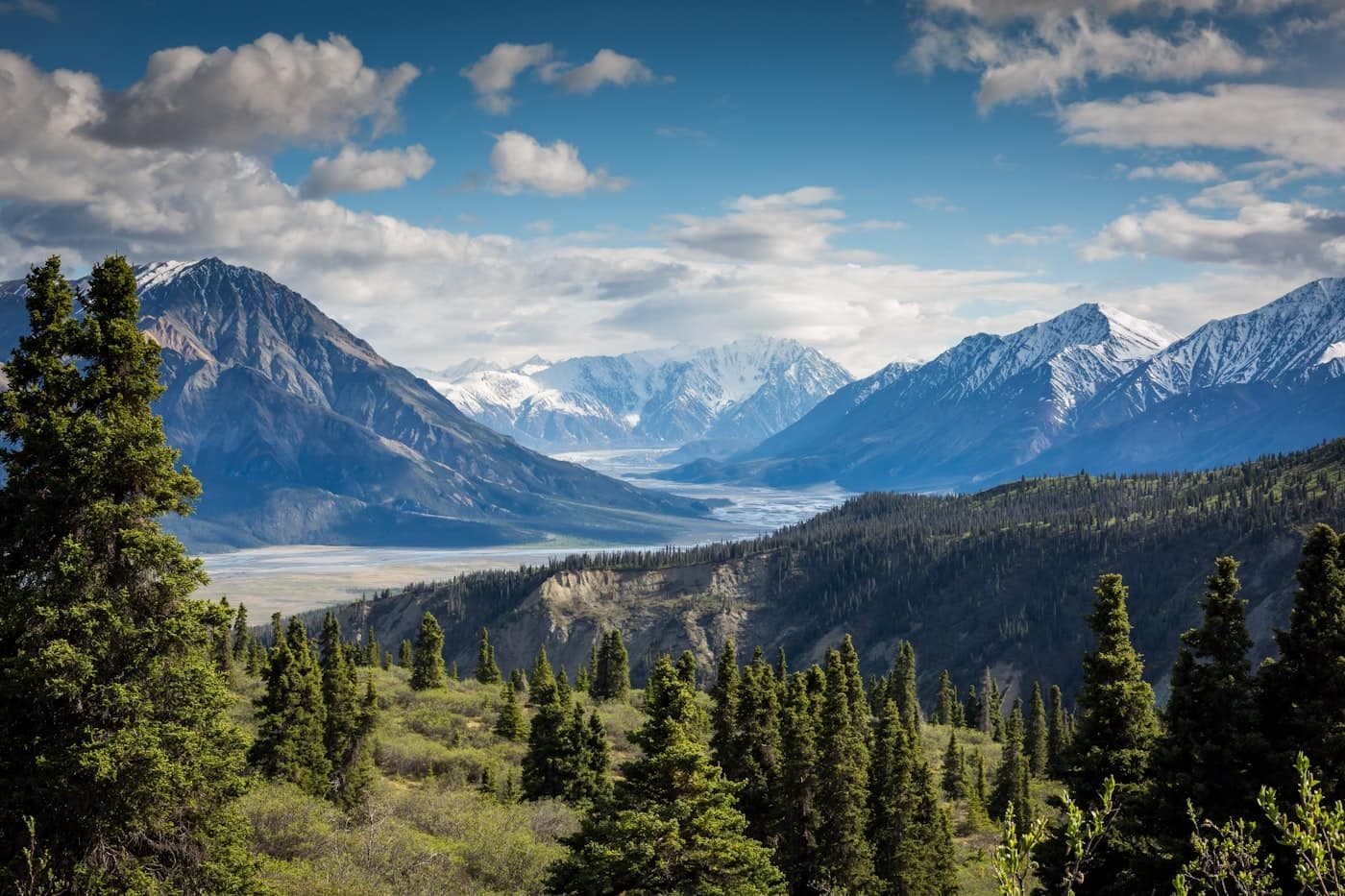
TOP SELLERdifficult5 Days | 4 NightsA demanding Dhauladhar crossing above Kareri Lake via Minkiani Pass — remote meadows, high camps, and few crowds. From ₹11,999.
₹13,999
₹11,999
14% OFFEMI starting at ₹4,000/monthi
 TOP SELLERmoderate4 Days | 3 Nights
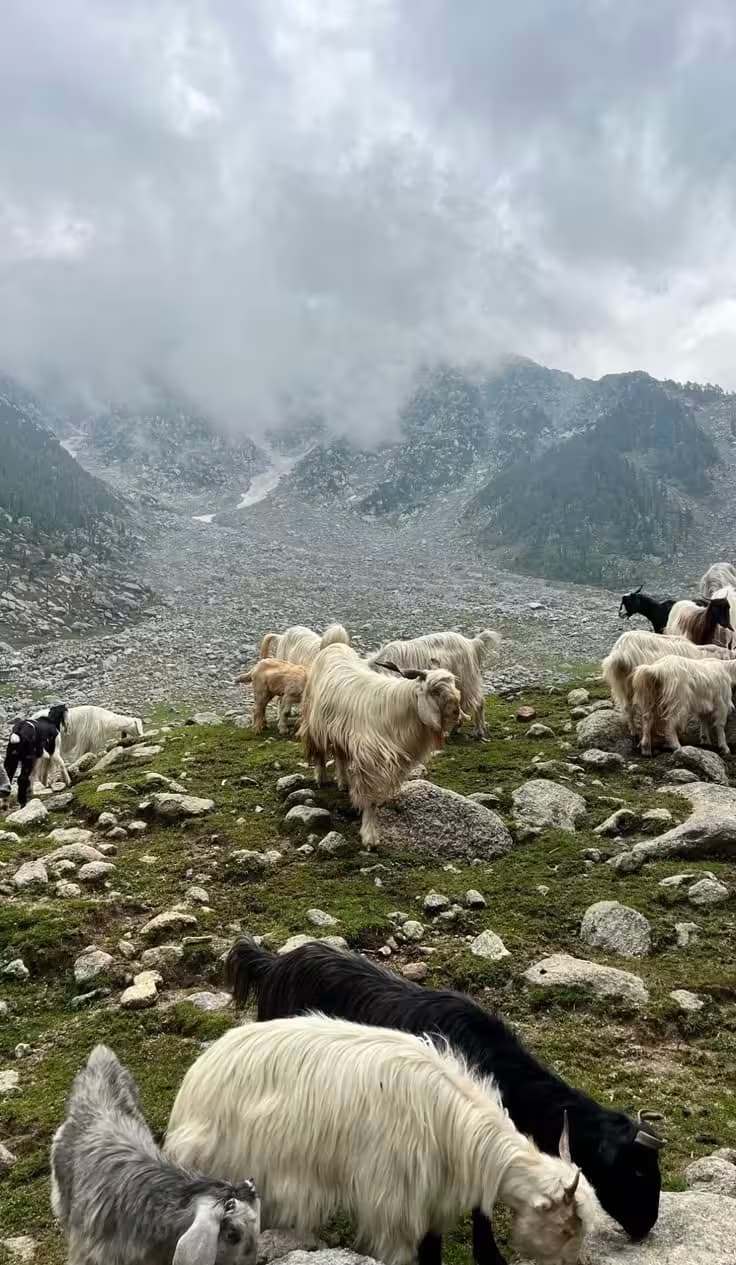
Cross the iconic Indrahar Pass (≈4,342 m) on the Dhauladhar divide between Kangra and Chamba — serious altitude, scree, and huge Himalayan views. From ₹8,999.
₹10,999
₹8,999
18% OFFEMI starting at ₹3,000/monthi
 moderate3 Days | 2 Nights
2D/1N from Kareri Village near Dharamshala — oak forests, Nyund stream, and a high freshwater alpine lake. From ₹1,499.
₹1,499
₹1,399
7% OFFEMI starting at ₹999/monthi
 easy2 Days | 1 Night
2D/1N from Bhagsunag, Dharamshala — waterfall trail, Dhauladhar views, and camping under the stars. From ₹999.
₹999
₹899
10% OFFEMI starting at ₹999/monthi
Ready for the mountains?
Secure your seat on Seven Lakes Trek or talk to a trek specialist for custom dates and group plans.