

 TOP SELLERmoderate7 Days | 6 Nights
7D/6N Dev Kyara Trek from Sankri, Uttarakhand — guided Himalayan experience with India Holiday Destinations.
GuideMealsCampingPermits
₹21,399
₹18,899
12% OFFEMI starting at ₹6,300/monthi
Explore India's Most Incredible Treks
+91 89887 69444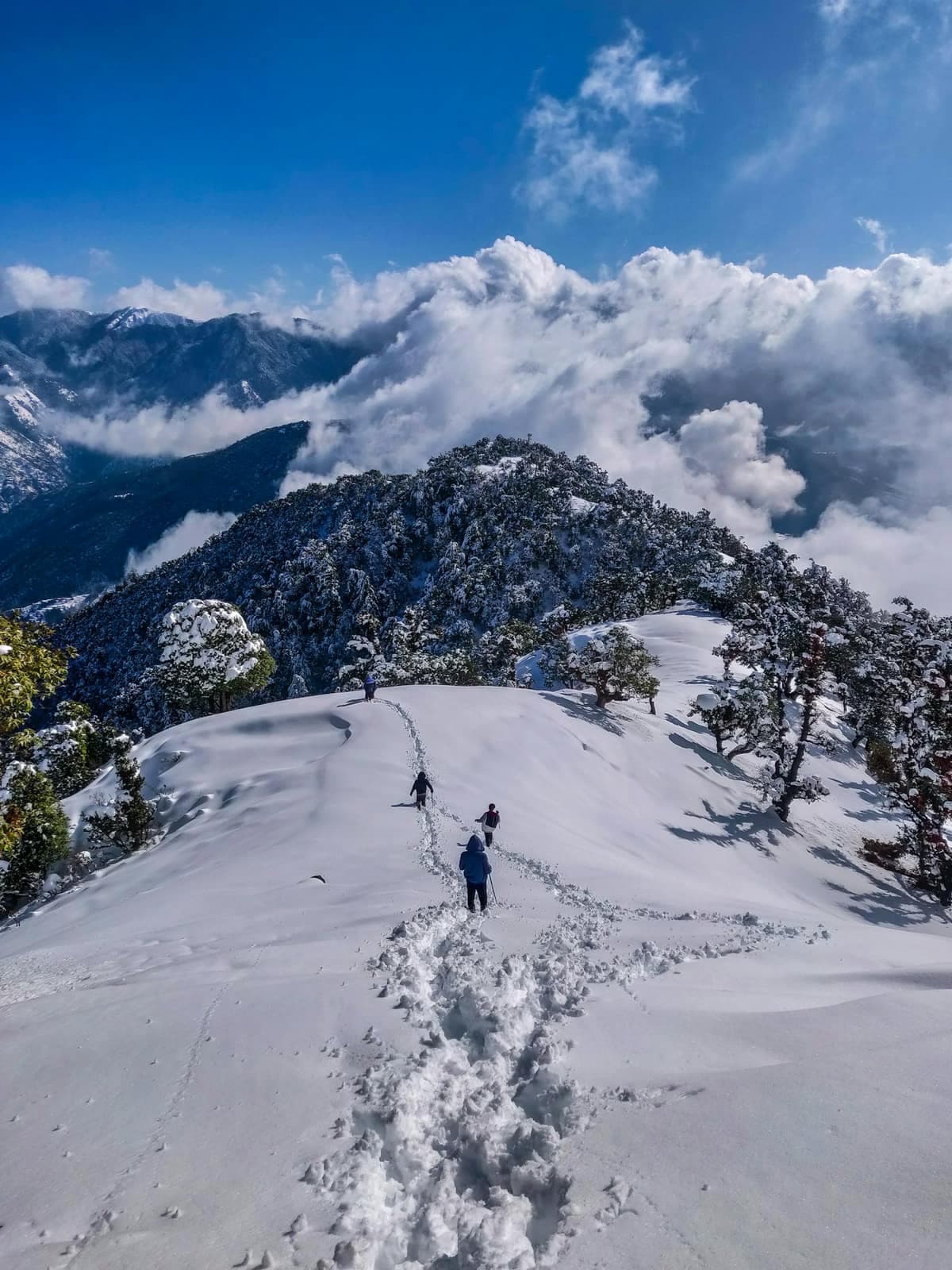
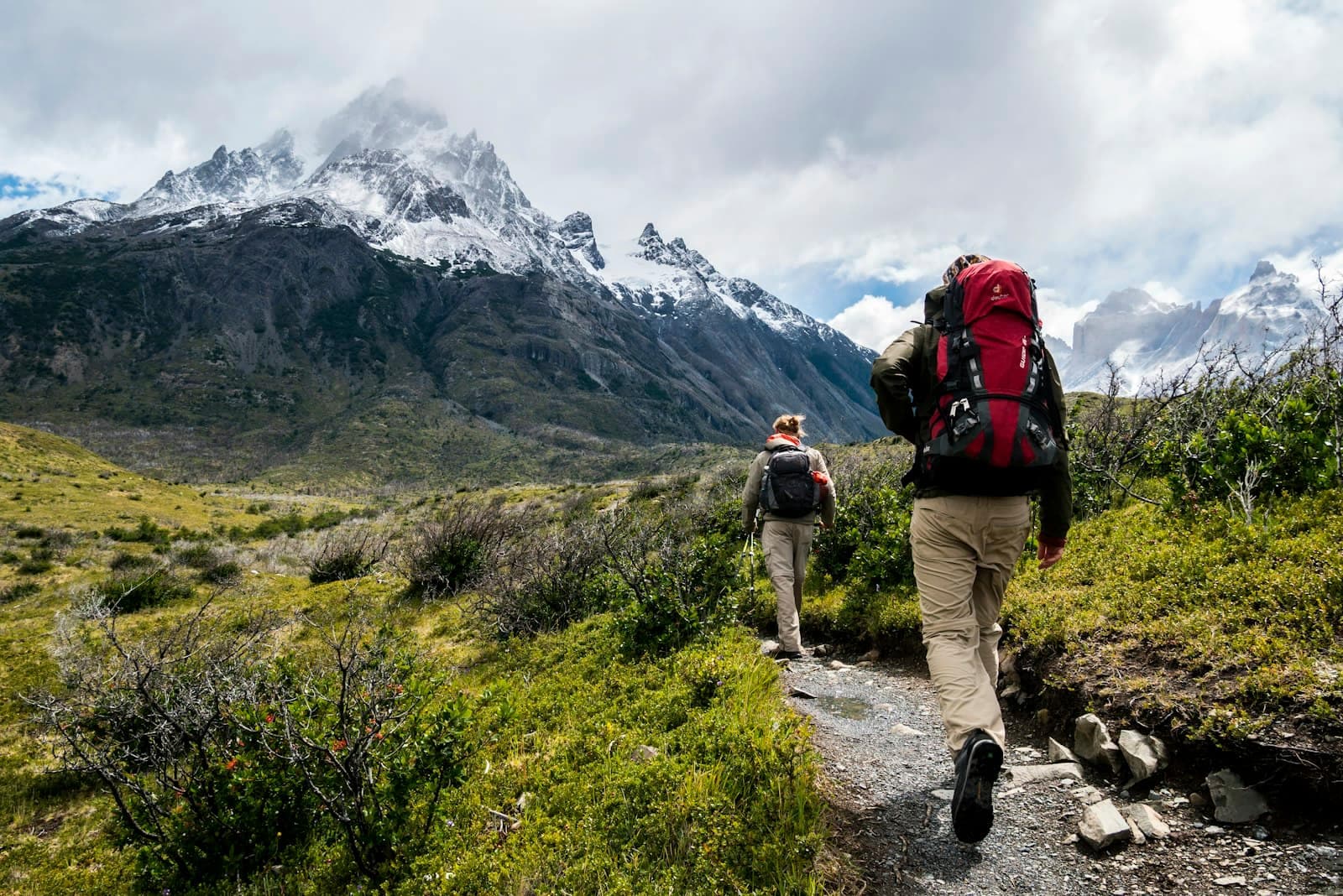
8D/7N Bali Pass Trek from Sankri, Uttarakhand — guided Himalayan experience with India Holiday Destinations.
From
₹26,999/person
Inclusive of all taxes
Secure your spot with just 25% advance
Bali Pass Trek is a carefully curated Himalayan trek based around Sankri in Uttarakhand. Rated difficult with a 8D/7N itinerary, this journey balances scenic walking, safe camping or homestays, and memorable mountain views. India Holiday Destinations handles permits, experienced local guides, meals on trek, and logisti…
Bali Pass Trek Experience
02:45
Day-by-day plan for Bali Pass Trek
Bali Pass is one of the more serious crossing treks accessible from the Sankri trailhead, and the long drive up from Dehradun sets an appropriately deliberate tone for the eight days ahead. The route follows the now-familiar arc through Mussoorie and down into the Yamuna valley, but on this particular trek the drive is treated less as a scenic warm-up and more as the first checkpoint in a longer logistical chain, since the group ahead will be carrying gear for glacier travel, rope work, and multiple nights well above 13,000 feet. Past Barkot, as the road narrows toward Purola and Mori, guides typically use the journey to run through the technical side of the itinerary in detail: the rope and harness system to be used at the pass itself, the pacing required to reach Ruinsara and beyond without over-exerting early, and the honest acknowledgment that weather near Bali Pass can force route changes even for well-prepared groups. The Govind Pashu Vihar Wildlife Sanctuary checkpoint near Netwar requires a more thorough permit process for this crossing than for shorter treks in the same valley, given the trek's extended time inside protected forest and its eventual exit toward the Yamunotri side of the range. Sankri, reached in the late afternoon, is where final equipment checks happen in earnest, gaiters, crampons or micro-spikes, and rope gear all inspected before the trek proper begins the next morning. Unlike groups heading only as far as Har Ki Dun, this crossing party often includes a slightly larger support team, additional porters, and sometimes a second guide experienced specifically in glacier and pass technique. The evening briefing is longer and more serious than on shorter treks, covering contingency plans, evacuation routes, and the specific signs of altitude sickness the guide team will be watching for as the days progress toward 16,200 feet.
Lunch, Dinner
Guesthouse (Sankri)
mountain highway drive through the Yamuna and Tons valleys
Available
The first walking day of the Bali Pass crossing follows the same valley trail used by Har Ki Dun trekkers, but the mindset within the group is noticeably different from day one, since this is understood as the opening stretch of a longer, more demanding expedition rather than a self-contained goal. From Taluka, the trail settles into its familiar rhythm alongside the Supin river, weaving through deodar and pine with the water's steady rush providing a constant backdrop, and the pace set by guides tends to be more conservative than on shorter treks, prioritising sustainable effort over covering ground quickly. Osla village, visible high on the opposite slope with its distinctive terraced houses and the locally revered Someshwar temple, offers a useful pause point, both for the view and as an early gauge of how the group is settling into the walking rhythm required for the week ahead. Cantilever bridges across the Supin demand steady footing, more so now with the heavier packs required for a crossing trek, and porters carrying rope, tenting, and technical gear move through these sections with practiced ease that belies the load they carry. This stretch of forest also offers the last extended tree cover the group will see for several days, since the terrain beyond Seema and Ruinsara climbs rapidly toward increasingly barren, high-altitude ground. Seema's riverside camp, reached in the afternoon, is used deliberately as an early checkpoint for how bodies are responding to the walking load, and guides often adjust pacing plans for the following days based on how the group handles this relatively moderate opening stage. Evening conversation, in contrast to a standard Har Ki Dun group, tends to focus less on the valley's scenery and more on logistics for the days ahead, since Bali Pass's difficulty is concentrated heavily in its second half.
Breakfast, Lunch, Dinner
Camp
Supin riverside trail through deodar forest
Available
Things to Carry
Level: Strong fitness · Score 8/10
Prepare with regular walks and stair practice before Bali Pass Trek.
Customer Reviews
FAQ
Experienced Trek Leaders
Safety First Approach
Quality Equipment
Sustainable Tourism
Local Support
First Aid Available
Premium Himalayan Adventure
Sankri, UttarakhandBali Pass Trek
8D/7N Bali Pass Trek from Sankri, Uttarakhand — guided Himalayan experience with India Holiday Destinations.
From ₹26,999/ person
Enquire Now4.8
36 reviews
15k ft
Max altitude
8D / 7N
Difficult
Difficulty
Difficult
Duration
8D / 7N
Best Season
spring, autumn, winter
Trek Distance
56 km
Max Altitude
15,440 Ft (4,706 M)
Group Size
8-12
Bali Pass Trek is a carefully curated Himalayan trek based around Sankri in Uttarakhand. Rated difficult with a 8D/7N itinerary, this journey balances scenic walking, safe camping or homestays, and memorable mountain views. India Holiday Destinations handles permits, experienced local guides, meals on trek, and logisti…
Bali Pass Trek Experience
02:45
Experienced Trek Leaders
Safety First Approach
Quality Equipment
Sustainable Tourism
Local Support
First Aid Available
Day-by-day plan for Bali Pass Trek
Bali Pass is one of the more serious crossing treks accessible from the Sankri trailhead, and the long drive up from Dehradun sets an appropriately deliberate tone for the eight days ahead. The route follows the now-familiar arc through Mussoorie and down into the Yamuna valley, but on this particular trek the drive is treated less as a scenic warm-up and more as the first checkpoint in a longer logistical chain, since the group ahead will be carrying gear for glacier travel, rope work, and multiple nights well above 13,000 feet. Past Barkot, as the road narrows toward Purola and Mori, guides typically use the journey to run through the technical side of the itinerary in detail: the rope and harness system to be used at the pass itself, the pacing required to reach Ruinsara and beyond without over-exerting early, and the honest acknowledgment that weather near Bali Pass can force route changes even for well-prepared groups. The Govind Pashu Vihar Wildlife Sanctuary checkpoint near Netwar requires a more thorough permit process for this crossing than for shorter treks in the same valley, given the trek's extended time inside protected forest and its eventual exit toward the Yamunotri side of the range. Sankri, reached in the late afternoon, is where final equipment checks happen in earnest, gaiters, crampons or micro-spikes, and rope gear all inspected before the trek proper begins the next morning. Unlike groups heading only as far as Har Ki Dun, this crossing party often includes a slightly larger support team, additional porters, and sometimes a second guide experienced specifically in glacier and pass technique. The evening briefing is longer and more serious than on shorter treks, covering contingency plans, evacuation routes, and the specific signs of altitude sickness the guide team will be watching for as the days progress toward 16,200 feet.
Lunch, Dinner
Guesthouse (Sankri)
mountain highway drive through the Yamuna and Tons valleys
Available
The first walking day of the Bali Pass crossing follows the same valley trail used by Har Ki Dun trekkers, but the mindset within the group is noticeably different from day one, since this is understood as the opening stretch of a longer, more demanding expedition rather than a self-contained goal. From Taluka, the trail settles into its familiar rhythm alongside the Supin river, weaving through deodar and pine with the water's steady rush providing a constant backdrop, and the pace set by guides tends to be more conservative than on shorter treks, prioritising sustainable effort over covering ground quickly. Osla village, visible high on the opposite slope with its distinctive terraced houses and the locally revered Someshwar temple, offers a useful pause point, both for the view and as an early gauge of how the group is settling into the walking rhythm required for the week ahead. Cantilever bridges across the Supin demand steady footing, more so now with the heavier packs required for a crossing trek, and porters carrying rope, tenting, and technical gear move through these sections with practiced ease that belies the load they carry. This stretch of forest also offers the last extended tree cover the group will see for several days, since the terrain beyond Seema and Ruinsara climbs rapidly toward increasingly barren, high-altitude ground. Seema's riverside camp, reached in the afternoon, is used deliberately as an early checkpoint for how bodies are responding to the walking load, and guides often adjust pacing plans for the following days based on how the group handles this relatively moderate opening stage. Evening conversation, in contrast to a standard Har Ki Dun group, tends to focus less on the valley's scenery and more on logistics for the days ahead, since Bali Pass's difficulty is concentrated heavily in its second half.
Breakfast, Lunch, Dinner
Camp
Supin riverside trail through deodar forest
Available
Things to Carry
Level: Strong fitness · Score 8/10
Prepare with regular walks and stair practice before Bali Pass Trek.
Customer Reviews
FAQ
TOP SELLERmoderate7 Days | 6 Nights7D/6N Dev Kyara Trek from Sankri, Uttarakhand — guided Himalayan experience with India Holiday Destinations.
₹21,399
₹18,899
12% OFFEMI starting at ₹6,300/monthi
 TOP SELLERmoderate6 Days | 5 Nights
6D/5N Phulara Ridge Trek from Sankri, Uttarakhand — guided Himalayan experience with India Holiday Destinations.
₹19,099
₹16,599
13% OFFEMI starting at ₹5,533/monthi
TOP SELLERmoderate7 Days | 6 Nights7D/6N Har Ki Dun Trek from Sankri, Uttarakhand — guided Himalayan experience with India Holiday Destinations.
₹21,399
₹18,899
12% OFFEMI starting at ₹6,300/monthi
TOP SELLEReasy6 Days | 5 Nights6D/5N Kedarkantha Trek from Sankri, Uttarakhand — guided Himalayan experience with India Holiday Destinations.
₹15,799
₹13,299
16% OFFEMI starting at ₹4,433/monthi
Ready for the mountains?
Secure your seat on Bali Pass Trek or talk to a trek specialist for custom dates and group plans.