

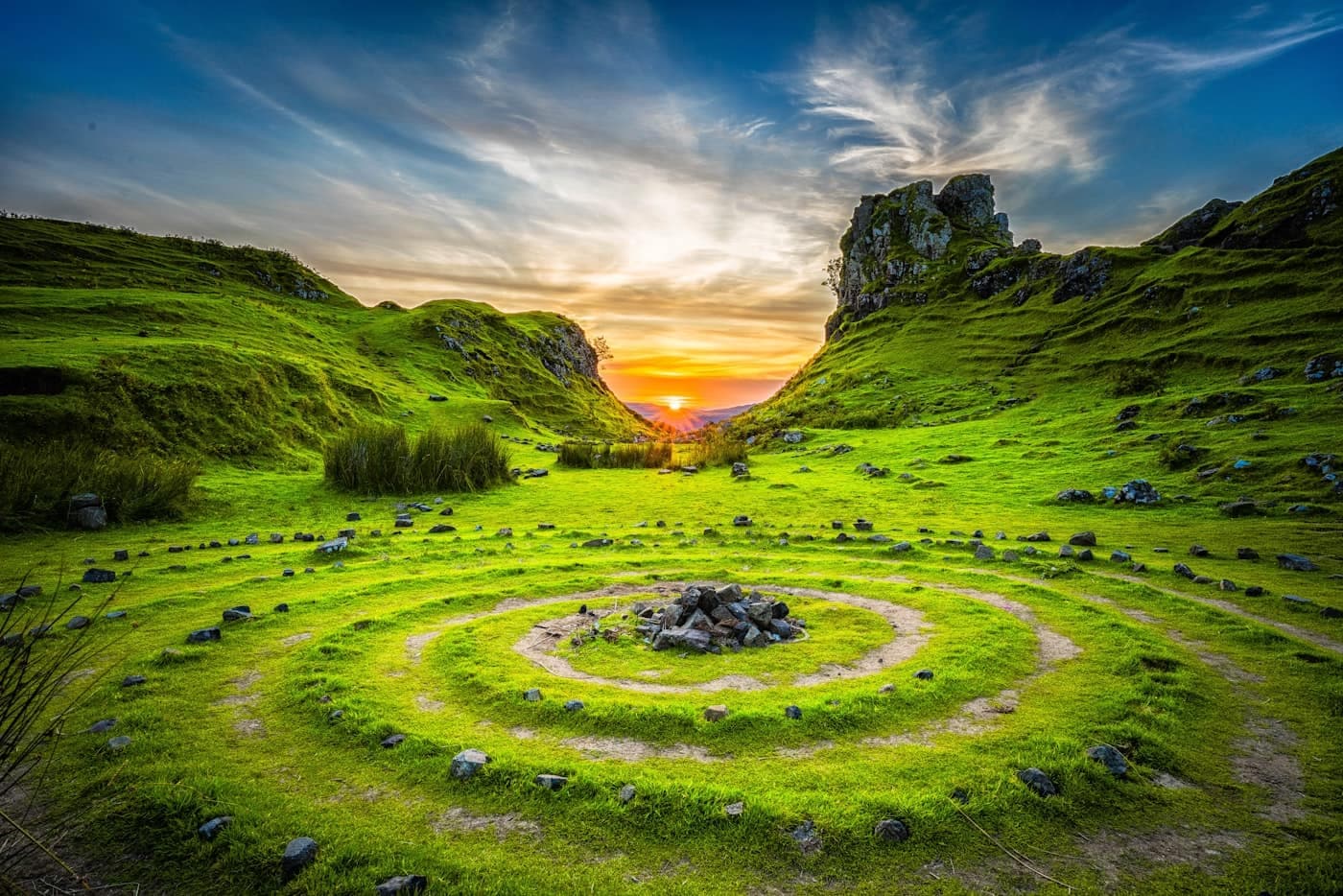
 TOP SELLERmoderate7 Days | 6 Nights
7D/6N Dev Kyara Trek from Sankri, Uttarakhand — guided Himalayan experience with India Holiday Destinations.
GuideMealsCampingPermits
₹21,399
₹18,899
12% OFFEMI starting at ₹6,300/monthi
Explore India's Most Incredible Treks
+91 89887 69444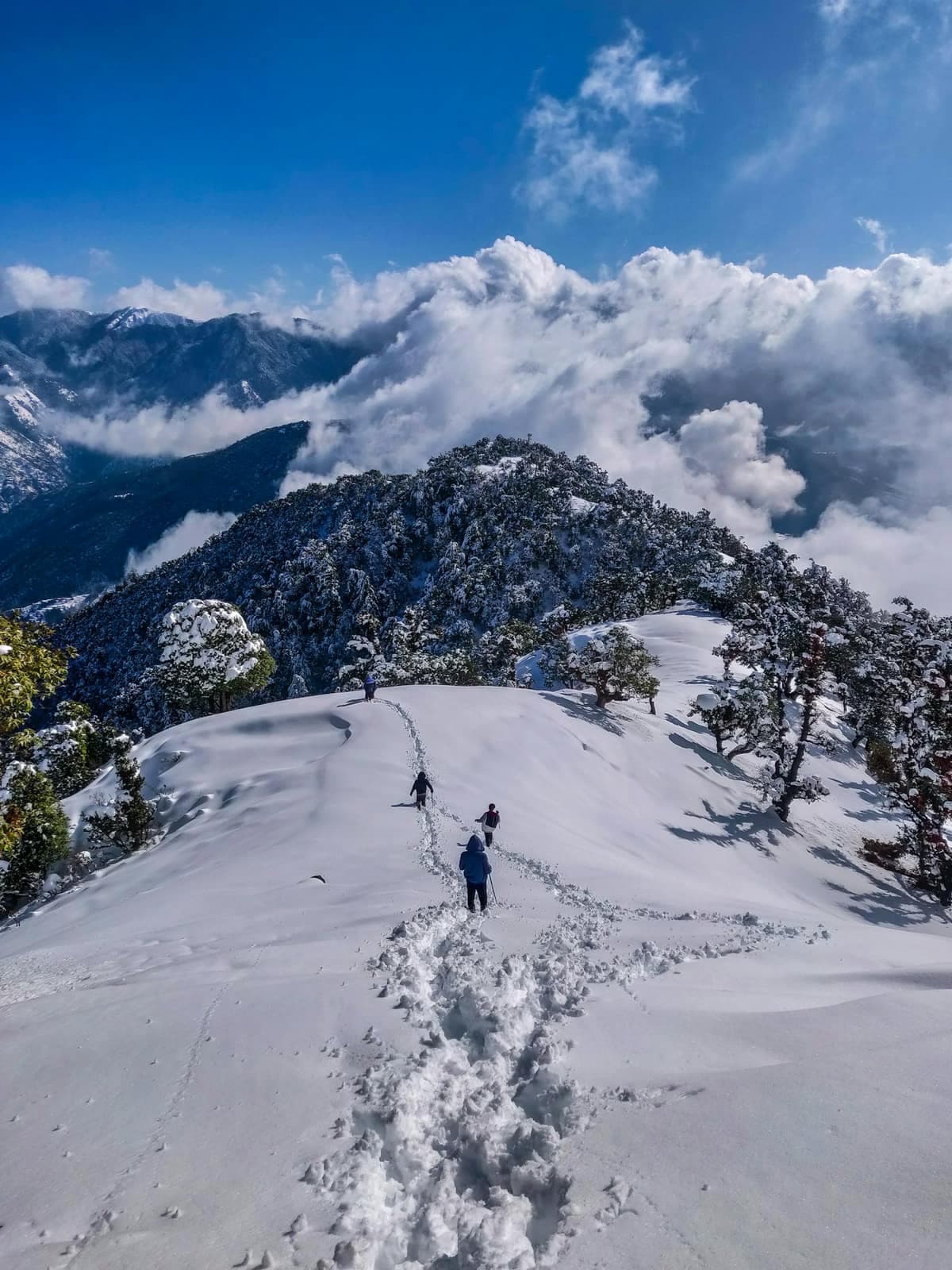
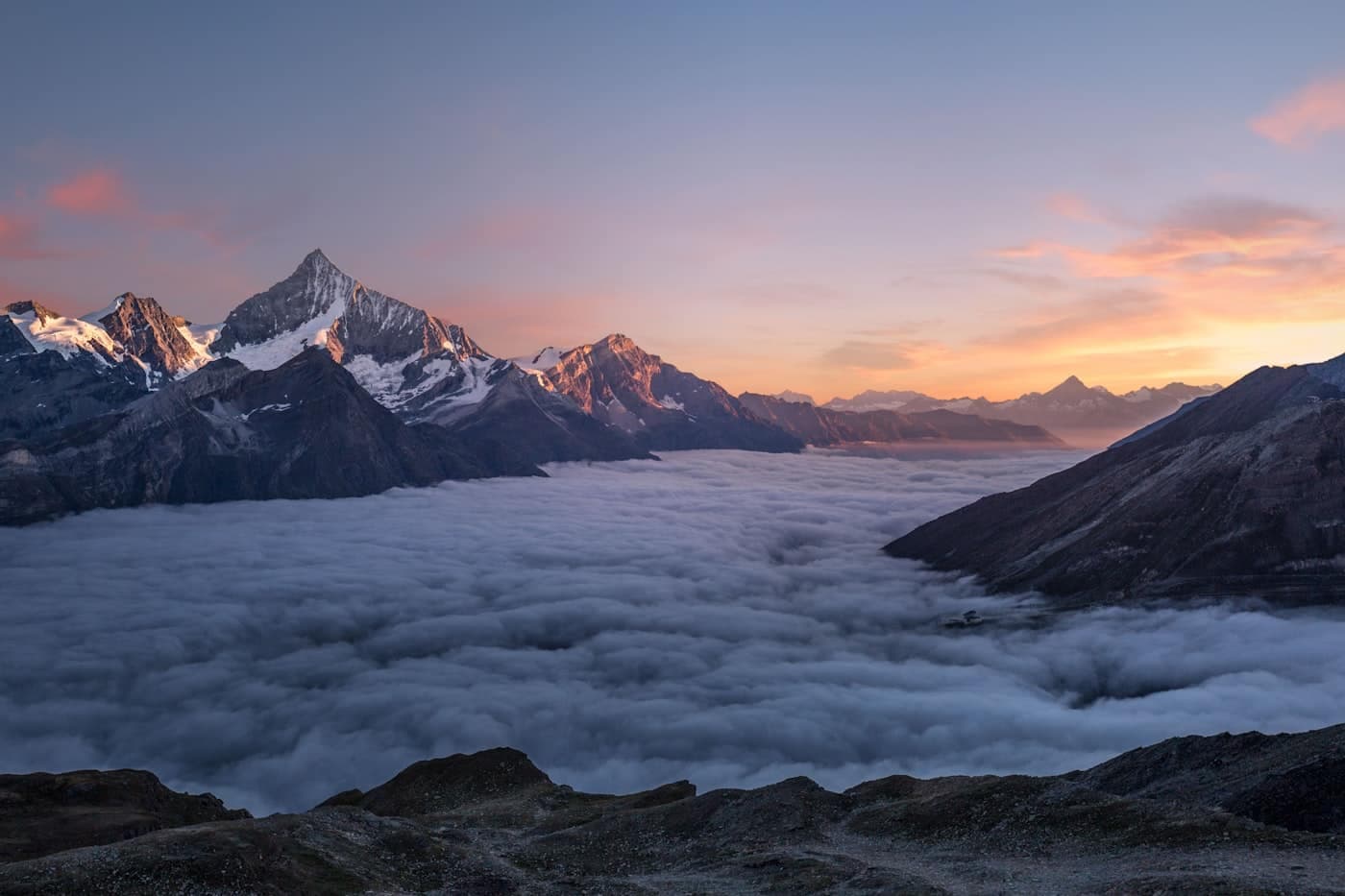
6D/5N Kedarkantha Trek from Sankri, Uttarakhand — guided Himalayan experience with India Holiday Destinations.
From
₹13,299/person
Inclusive of all taxes
Secure your spot with just 25% advance
Kedarkantha Trek is a carefully curated Himalayan trek based around Sankri in Uttarakhand. Rated easy with a 6D/5N itinerary, this journey balances scenic walking, safe camping or homestays, and memorable mountain views. India Holiday Destinations handles permits, experienced local guides, meals on trek, and logistics…
Kedarkantha Trek Experience
02:45
Day-by-day plan for Kedarkantha Trek
The road to Sankri is as much a part of the Kedarkantha experience as the snow-covered ridge waiting at the end of it. Leaving Dehradun's crowded lower valley, the drive climbs past Mussoorie's ridgeline before dropping into the Yamuna valley, following the river through Kempty and Barkot with the Bandarpoonch massif occasionally flashing white above the terraced hillsides. Beyond Barkot the road narrows and begins its long traverse toward Naugaon and Purola, small market towns where fruit sellers line the roadside with apples, walnuts and seasonal citrus depending on the month, and where the pace of the journey visibly slows. Past Mori, the route joins the Tons river, a colder, faster tributary than the Yamuna, and the valley walls close in as the road threads through the Govind Pashu Vihar Wildlife Sanctuary's buffer zone, a reminder that this entire region is protected forest with genuine conservation value beyond its trekking fame. Netwar marks the confluence point where the road to Har Ki Dun forks away, but today's drive continues on to Sankri, a Jaunsari village perched at the edge of the sanctuary that has quietly become the trekking capital of the Tons valley. Slate-roofed wooden houses, a small forest rest house, and a scattering of guesthouses give Sankri a lived-in, unpolished character quite different from more commercial hill stations. Arrival typically comes in the late afternoon, with just enough daylight left for a short walk through the village and a first proper look at the snow line on the surrounding ridges in winter months. The evening briefing covers permits, gear checks, and the days ahead, while dinner introduces simple Garhwali fare that will sustain the group over the coming days of climbing.
Lunch, Dinner
Guesthouse (Sankri)
Himalayan highway drive via Mussoorie, Barkot and Purola
Available
The trek begins immediately behind Sankri's last houses, the trail cutting into a dense forest of oak and pine that rarely lets up its climb for the next four kilometres. Underfoot the path alternates between packed earth, exposed roots, and, once winter sets in, hard-packed snow that turns the ascent into a slow, deliberate exercise in balance and pacing. Sunlight filters unevenly through the canopy, and the temperature difference between shaded and open stretches is often sharp enough to require adjusting layers every half hour. Roughly a third of the way up, the forest opens briefly onto a small clearing that offers the first real look back at Sankri's rooftops and the ridge beyond, a useful marker for gauging progress on what otherwise feels like a continuous, enclosed climb. The final approach to Juda Ka Talab is where the effort pays off: the trail levels out and delivers the group to a small forest lake tucked into a natural bowl, its surface frozen solid and dusted with snow through most of the winter season, and reflecting bare branches and blue sky in the shoulder seasons. Local legend holds that the lake never fully dries up regardless of season, feeding a scattering of alpine grass around its edges even in the depths of winter. Camp is set on the flatter ground just above the lake, and the sudden quiet after a day in thick forest is striking, broken occasionally by the soft creak of ice or a distant bird call. As dusk falls, the surrounding pine trees turn silhouette-black against a rapidly darkening sky, and the evening meal, taken huddled close to warmth, marks the genuine start of high-altitude camp life. Guides use this first camp night to check on how everyone is adjusting to the elevation gain, setting the tone for the pacing over the remaining days.
Breakfast, Lunch, Dinner
Camp
oak and pine forest, steady switchback climb
Available
Things to Carry
Level: Beginner friendly · Score 3/10
Prepare with regular walks and stair practice before Kedarkantha Trek.
Customer Reviews
FAQ
Experienced Trek Leaders
Safety First Approach
Quality Equipment
Sustainable Tourism
Local Support
First Aid Available
Premium Himalayan Adventure
Sankri, UttarakhandKedarkantha Trek
6D/5N Kedarkantha Trek from Sankri, Uttarakhand — guided Himalayan experience with India Holiday Destinations.
From ₹13,299/ person
Enquire Now4.6
30 reviews
10k ft
Max altitude
6D / 5N
Easy
Difficulty
Easy
Duration
6D / 5N
Best Season
spring, autumn, winter
Trek Distance
42 km
Max Altitude
10,000 Ft (3,048 M)
Group Size
8-12
Kedarkantha Trek is a carefully curated Himalayan trek based around Sankri in Uttarakhand. Rated easy with a 6D/5N itinerary, this journey balances scenic walking, safe camping or homestays, and memorable mountain views. India Holiday Destinations handles permits, experienced local guides, meals on trek, and logistics…
Kedarkantha Trek Experience
02:45
Experienced Trek Leaders
Safety First Approach
Quality Equipment
Sustainable Tourism
Local Support
First Aid Available
Day-by-day plan for Kedarkantha Trek
The road to Sankri is as much a part of the Kedarkantha experience as the snow-covered ridge waiting at the end of it. Leaving Dehradun's crowded lower valley, the drive climbs past Mussoorie's ridgeline before dropping into the Yamuna valley, following the river through Kempty and Barkot with the Bandarpoonch massif occasionally flashing white above the terraced hillsides. Beyond Barkot the road narrows and begins its long traverse toward Naugaon and Purola, small market towns where fruit sellers line the roadside with apples, walnuts and seasonal citrus depending on the month, and where the pace of the journey visibly slows. Past Mori, the route joins the Tons river, a colder, faster tributary than the Yamuna, and the valley walls close in as the road threads through the Govind Pashu Vihar Wildlife Sanctuary's buffer zone, a reminder that this entire region is protected forest with genuine conservation value beyond its trekking fame. Netwar marks the confluence point where the road to Har Ki Dun forks away, but today's drive continues on to Sankri, a Jaunsari village perched at the edge of the sanctuary that has quietly become the trekking capital of the Tons valley. Slate-roofed wooden houses, a small forest rest house, and a scattering of guesthouses give Sankri a lived-in, unpolished character quite different from more commercial hill stations. Arrival typically comes in the late afternoon, with just enough daylight left for a short walk through the village and a first proper look at the snow line on the surrounding ridges in winter months. The evening briefing covers permits, gear checks, and the days ahead, while dinner introduces simple Garhwali fare that will sustain the group over the coming days of climbing.
Lunch, Dinner
Guesthouse (Sankri)
Himalayan highway drive via Mussoorie, Barkot and Purola
Available
The trek begins immediately behind Sankri's last houses, the trail cutting into a dense forest of oak and pine that rarely lets up its climb for the next four kilometres. Underfoot the path alternates between packed earth, exposed roots, and, once winter sets in, hard-packed snow that turns the ascent into a slow, deliberate exercise in balance and pacing. Sunlight filters unevenly through the canopy, and the temperature difference between shaded and open stretches is often sharp enough to require adjusting layers every half hour. Roughly a third of the way up, the forest opens briefly onto a small clearing that offers the first real look back at Sankri's rooftops and the ridge beyond, a useful marker for gauging progress on what otherwise feels like a continuous, enclosed climb. The final approach to Juda Ka Talab is where the effort pays off: the trail levels out and delivers the group to a small forest lake tucked into a natural bowl, its surface frozen solid and dusted with snow through most of the winter season, and reflecting bare branches and blue sky in the shoulder seasons. Local legend holds that the lake never fully dries up regardless of season, feeding a scattering of alpine grass around its edges even in the depths of winter. Camp is set on the flatter ground just above the lake, and the sudden quiet after a day in thick forest is striking, broken occasionally by the soft creak of ice or a distant bird call. As dusk falls, the surrounding pine trees turn silhouette-black against a rapidly darkening sky, and the evening meal, taken huddled close to warmth, marks the genuine start of high-altitude camp life. Guides use this first camp night to check on how everyone is adjusting to the elevation gain, setting the tone for the pacing over the remaining days.
Breakfast, Lunch, Dinner
Camp
oak and pine forest, steady switchback climb
Available
Things to Carry
Level: Beginner friendly · Score 3/10
Prepare with regular walks and stair practice before Kedarkantha Trek.
Customer Reviews
FAQ
TOP SELLERmoderate7 Days | 6 Nights7D/6N Dev Kyara Trek from Sankri, Uttarakhand — guided Himalayan experience with India Holiday Destinations.
₹21,399
₹18,899
12% OFFEMI starting at ₹6,300/monthi
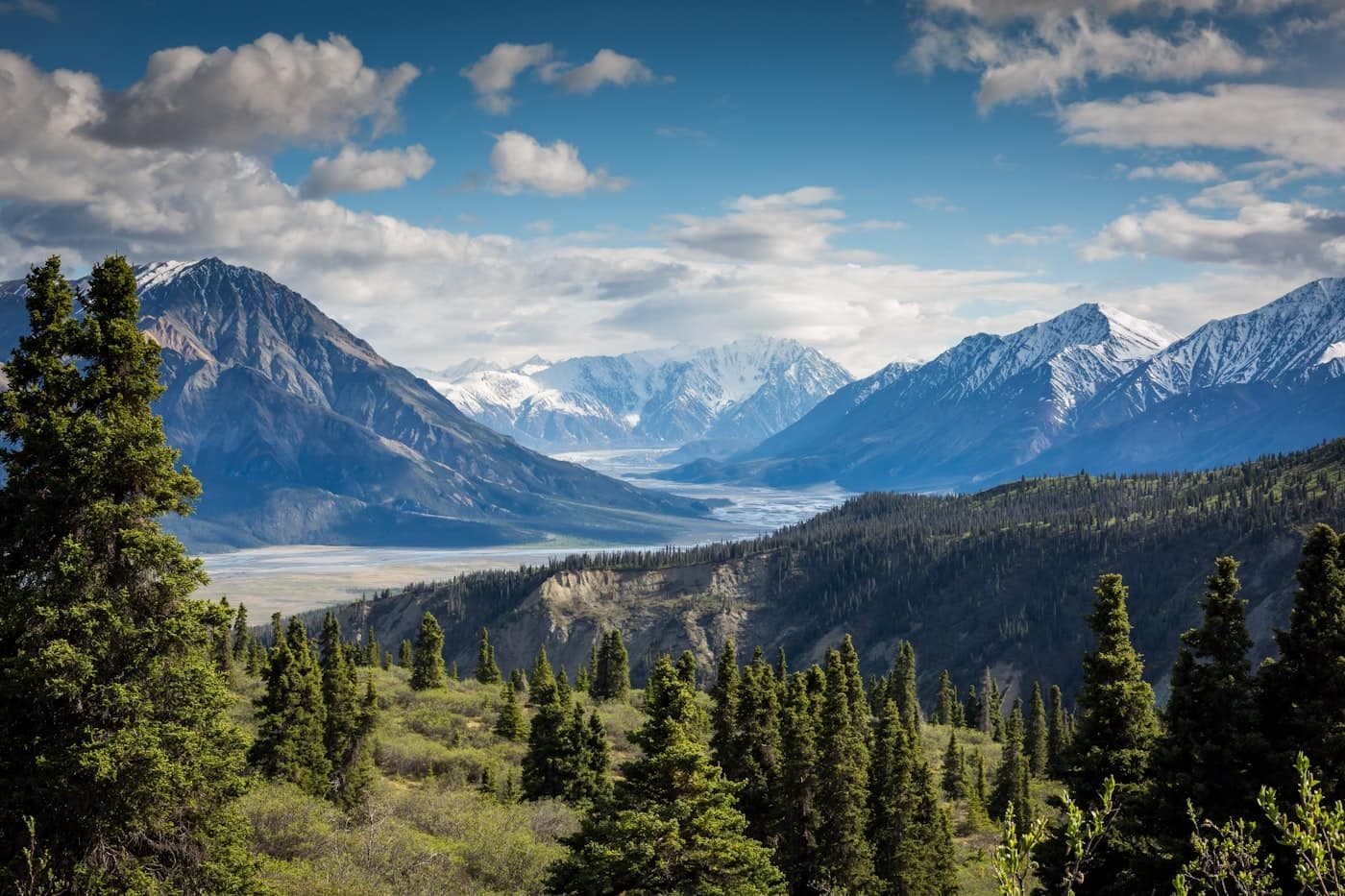 TOP SELLERmoderate6 Days | 5 Nights
6D/5N Phulara Ridge Trek from Sankri, Uttarakhand — guided Himalayan experience with India Holiday Destinations.
₹19,099
₹16,599
13% OFFEMI starting at ₹5,533/monthi
TOP SELLERdifficult8 Days | 7 Nights8D/7N Bali Pass Trek from Sankri, Uttarakhand — guided Himalayan experience with India Holiday Destinations.
₹29,499
₹26,999
8% OFFEMI starting at ₹9,000/monthi
TOP SELLERmoderate7 Days | 6 Nights7D/6N Har Ki Dun Trek from Sankri, Uttarakhand — guided Himalayan experience with India Holiday Destinations.
₹21,399
₹18,899
12% OFFEMI starting at ₹6,300/monthi
Ready for the mountains?
Secure your seat on Kedarkantha Trek or talk to a trek specialist for custom dates and group plans.