

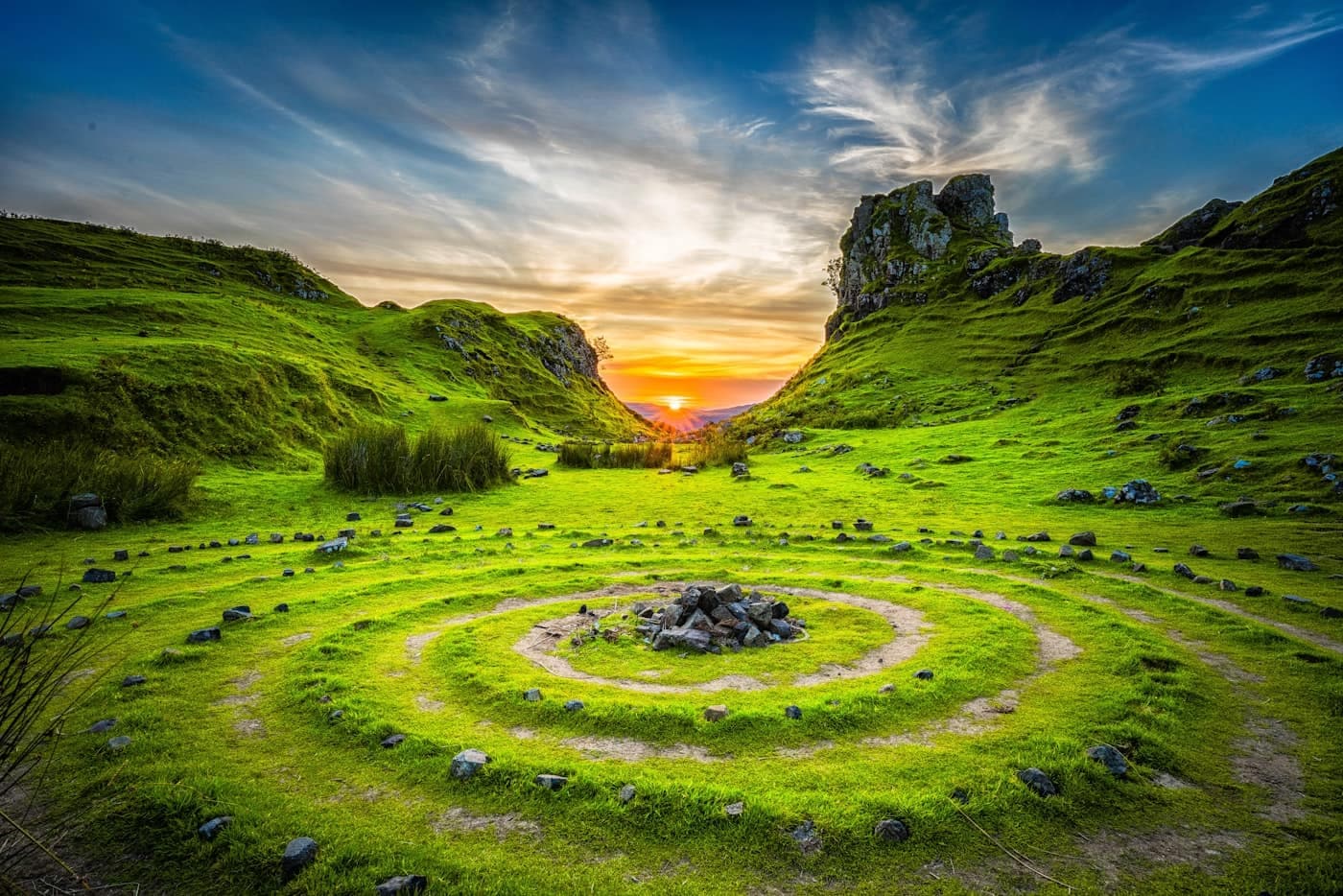
 TOP SELLERmoderate7 Days | 6 Nights
7D/6N Dev Kyara Trek from Sankri, Uttarakhand — guided Himalayan experience with India Holiday Destinations.
GuideMealsCampingPermits
₹21,399
₹18,899
12% OFFEMI starting at ₹6,300/monthi
Explore India's Most Incredible Treks
+91 89887 69444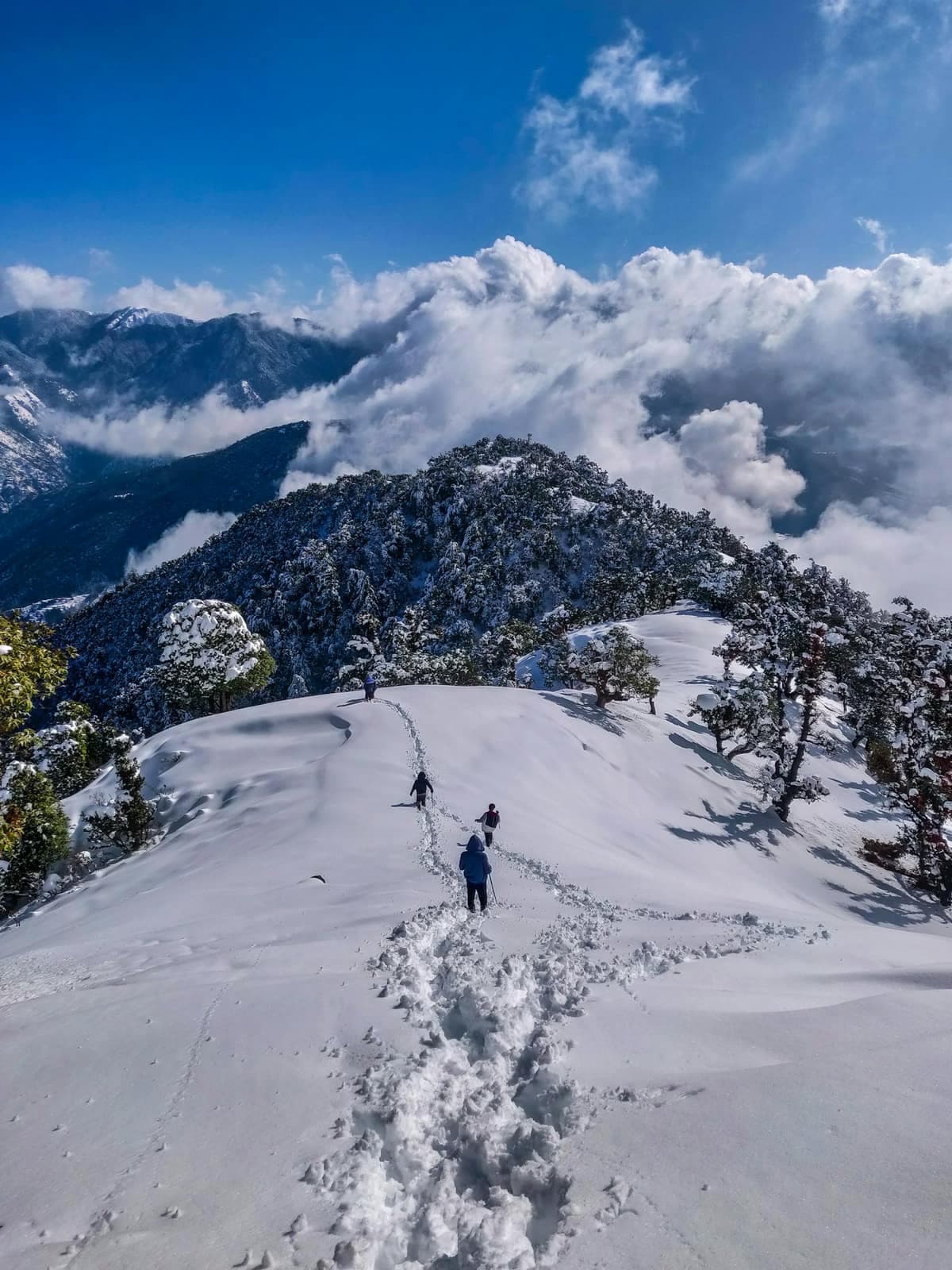

7D/6N Har Ki Dun Trek from Sankri, Uttarakhand — guided Himalayan experience with India Holiday Destinations.
From
₹18,899/person
Inclusive of all taxes
Secure your spot with just 25% advance
Har Ki Dun Trek is a carefully curated Himalayan trek based around Sankri in Uttarakhand. Rated moderate with a 7D/6N itinerary, this journey balances scenic walking, safe camping or homestays, and memorable mountain views. India Holiday Destinations handles permits, experienced local guides, meals on trek, and logisti…
Har Ki Dun Trek Experience
02:45
Day-by-day plan for Har Ki Dun Trek
Har Ki Dun's approach begins with a full day on the road, and the character of that drive matters as much as the destination it leads to. From Dehradun the route climbs first through Mussoorie's forested ridge before descending into the Yamuna valley, a stretch lined with apple orchards near Barkot that give way, past Naugaon, to increasingly narrow mountain roads. The real transition happens after Purola, where the highway effectively ends and a rougher, more winding track takes over, tracing the Tons river as it churns through a steep-sided gorge lined with deodar forest. This is Jaunsari country, culturally distinct from the Garhwali heartland closer to Dehradun, with its own dialect, dress, and building style visible in the slate-roofed timber houses that dot the roadside villages. Just before Sankri, the road passes the turn for Netwar and the entrance to the Govind Pashu Vihar Wildlife Sanctuary, whose forest department checkpoint issues the permits required for the Har Ki Dun trail, since the entire valley falls within protected sanctuary land, home to species like the Himalayan black bear and elusive snow leopard at higher elevations. Sankri itself, reached by late afternoon, functions as the region's trekking hub, a village that has grown around its role as gateway to both Kedarkantha and Har Ki Dun without losing the unhurried rhythm of a mountain settlement far from any major town. The evening is spent on permit paperwork, gear checks, and a detailed briefing on the week ahead, since Har Ki Dun's itinerary, while less technical than the passes further up the valley, still demands sustained walking across several consecutive days. A simple Garhwali dinner and an early night set the tone for a trek that rewards patience over speed.
Lunch, Dinner
Guesthouse (Sankri)
mountain highway via Mussoorie, Barkot, Purola and Mori
Available
A short drive from Sankri covers the rough jeep track to Taluka, the last motorable point in the valley and the true start of the walking trail, saving the group several hours that would otherwise be spent on a dusty, uneven road. From Taluka, the path settles into a long, gently undulating walk that hugs the Supin river for most of its length, weaving through dense deodar and pine forest broken occasionally by open patches where the valley widens enough for small terraced fields. This stretch is where the Har Ki Dun trail's distinct character starts to show: unlike the steep, forest-locked climb toward Kedarkantha, this is a valley walk, following water rather than fighting gradient, and the relatively gentle terrain allows attention to drift toward the surrounding scenery rather than footwork. Osla village, visible across the river on a steep opposite slope partway through the day, is one of the trail's most striking sights, its terraced houses stacked almost impossibly on the hillside around the locally significant Someshwar temple, associated in regional folklore with Duryodhana from the Mahabharata rather than the Pandavas revered elsewhere in the region. Wooden cantilever bridges cross the Supin at several points, testing balance more than fitness, and porters and mule trains moving supplies between villages are a common sight on this stretch, a reminder that this trail remains a working route for local communities and not solely a trekking corridor. Seema, reached by mid-to-late afternoon, sits on a flatter shelf beside the river and offers the first proper campsite of the trek, with enough space and shelter from wind to make for a comfortable night. The evening's conversation among guides often turns to Osla's unusual mythology, a distinctive local twist that separates this valley's cultural fabric from more conventional Garhwali Pandava-centred traditions found elsewhere.
Breakfast, Lunch, Dinner
Camp
riverside forest trail, deodar and pine, occasional village fields
Available
Things to Carry
Level: Moderate fitness · Score 6/10
Prepare with regular walks and stair practice before Har Ki Dun Trek.
Customer Reviews
FAQ
Experienced Trek Leaders
Safety First Approach
Quality Equipment
Sustainable Tourism
Local Support
First Aid Available
Premium Himalayan Adventure
Sankri, UttarakhandHar Ki Dun Trek
7D/6N Har Ki Dun Trek from Sankri, Uttarakhand — guided Himalayan experience with India Holiday Destinations.
From ₹18,899/ person
Enquire Now4.7
33 reviews
13k ft
Max altitude
7D / 6N
Moderate
Difficulty
Moderate
Duration
7D / 6N
Best Season
spring, autumn, winter
Trek Distance
49 km
Max Altitude
12,540 Ft (3,822 M)
Group Size
8-12
Har Ki Dun Trek is a carefully curated Himalayan trek based around Sankri in Uttarakhand. Rated moderate with a 7D/6N itinerary, this journey balances scenic walking, safe camping or homestays, and memorable mountain views. India Holiday Destinations handles permits, experienced local guides, meals on trek, and logisti…
Har Ki Dun Trek Experience
02:45
Experienced Trek Leaders
Safety First Approach
Quality Equipment
Sustainable Tourism
Local Support
First Aid Available
Day-by-day plan for Har Ki Dun Trek
Har Ki Dun's approach begins with a full day on the road, and the character of that drive matters as much as the destination it leads to. From Dehradun the route climbs first through Mussoorie's forested ridge before descending into the Yamuna valley, a stretch lined with apple orchards near Barkot that give way, past Naugaon, to increasingly narrow mountain roads. The real transition happens after Purola, where the highway effectively ends and a rougher, more winding track takes over, tracing the Tons river as it churns through a steep-sided gorge lined with deodar forest. This is Jaunsari country, culturally distinct from the Garhwali heartland closer to Dehradun, with its own dialect, dress, and building style visible in the slate-roofed timber houses that dot the roadside villages. Just before Sankri, the road passes the turn for Netwar and the entrance to the Govind Pashu Vihar Wildlife Sanctuary, whose forest department checkpoint issues the permits required for the Har Ki Dun trail, since the entire valley falls within protected sanctuary land, home to species like the Himalayan black bear and elusive snow leopard at higher elevations. Sankri itself, reached by late afternoon, functions as the region's trekking hub, a village that has grown around its role as gateway to both Kedarkantha and Har Ki Dun without losing the unhurried rhythm of a mountain settlement far from any major town. The evening is spent on permit paperwork, gear checks, and a detailed briefing on the week ahead, since Har Ki Dun's itinerary, while less technical than the passes further up the valley, still demands sustained walking across several consecutive days. A simple Garhwali dinner and an early night set the tone for a trek that rewards patience over speed.
Lunch, Dinner
Guesthouse (Sankri)
mountain highway via Mussoorie, Barkot, Purola and Mori
Available
A short drive from Sankri covers the rough jeep track to Taluka, the last motorable point in the valley and the true start of the walking trail, saving the group several hours that would otherwise be spent on a dusty, uneven road. From Taluka, the path settles into a long, gently undulating walk that hugs the Supin river for most of its length, weaving through dense deodar and pine forest broken occasionally by open patches where the valley widens enough for small terraced fields. This stretch is where the Har Ki Dun trail's distinct character starts to show: unlike the steep, forest-locked climb toward Kedarkantha, this is a valley walk, following water rather than fighting gradient, and the relatively gentle terrain allows attention to drift toward the surrounding scenery rather than footwork. Osla village, visible across the river on a steep opposite slope partway through the day, is one of the trail's most striking sights, its terraced houses stacked almost impossibly on the hillside around the locally significant Someshwar temple, associated in regional folklore with Duryodhana from the Mahabharata rather than the Pandavas revered elsewhere in the region. Wooden cantilever bridges cross the Supin at several points, testing balance more than fitness, and porters and mule trains moving supplies between villages are a common sight on this stretch, a reminder that this trail remains a working route for local communities and not solely a trekking corridor. Seema, reached by mid-to-late afternoon, sits on a flatter shelf beside the river and offers the first proper campsite of the trek, with enough space and shelter from wind to make for a comfortable night. The evening's conversation among guides often turns to Osla's unusual mythology, a distinctive local twist that separates this valley's cultural fabric from more conventional Garhwali Pandava-centred traditions found elsewhere.
Breakfast, Lunch, Dinner
Camp
riverside forest trail, deodar and pine, occasional village fields
Available
Things to Carry
Level: Moderate fitness · Score 6/10
Prepare with regular walks and stair practice before Har Ki Dun Trek.
Customer Reviews
FAQ
TOP SELLERmoderate7 Days | 6 Nights7D/6N Dev Kyara Trek from Sankri, Uttarakhand — guided Himalayan experience with India Holiday Destinations.
₹21,399
₹18,899
12% OFFEMI starting at ₹6,300/monthi
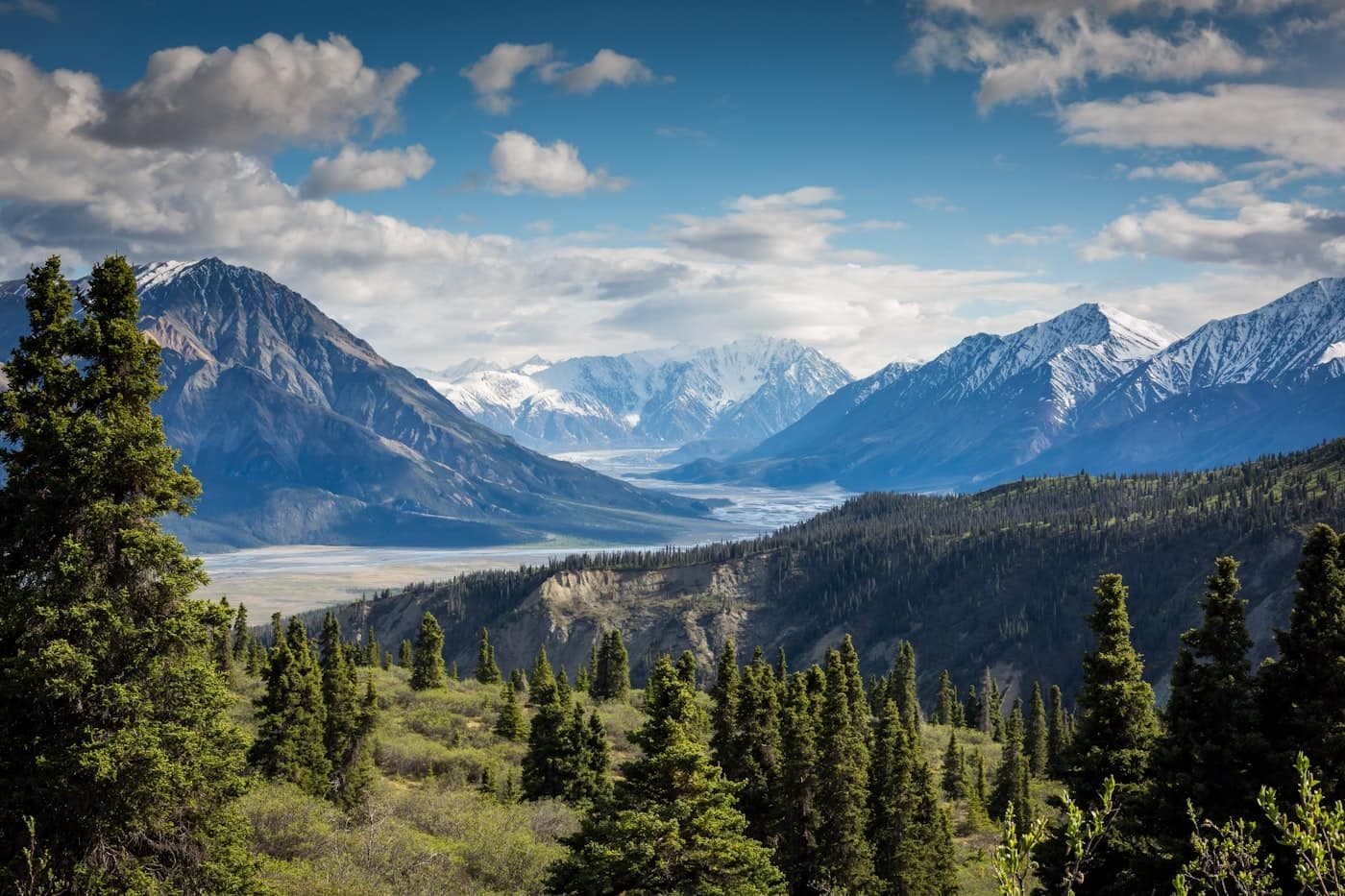 TOP SELLERmoderate6 Days | 5 Nights
6D/5N Phulara Ridge Trek from Sankri, Uttarakhand — guided Himalayan experience with India Holiday Destinations.
₹19,099
₹16,599
13% OFFEMI starting at ₹5,533/monthi
TOP SELLERdifficult8 Days | 7 Nights8D/7N Bali Pass Trek from Sankri, Uttarakhand — guided Himalayan experience with India Holiday Destinations.
₹29,499
₹26,999
8% OFFEMI starting at ₹9,000/monthi
TOP SELLEReasy6 Days | 5 Nights6D/5N Kedarkantha Trek from Sankri, Uttarakhand — guided Himalayan experience with India Holiday Destinations.
₹15,799
₹13,299
16% OFFEMI starting at ₹4,433/monthi
Ready for the mountains?
Secure your seat on Har Ki Dun Trek or talk to a trek specialist for custom dates and group plans.