

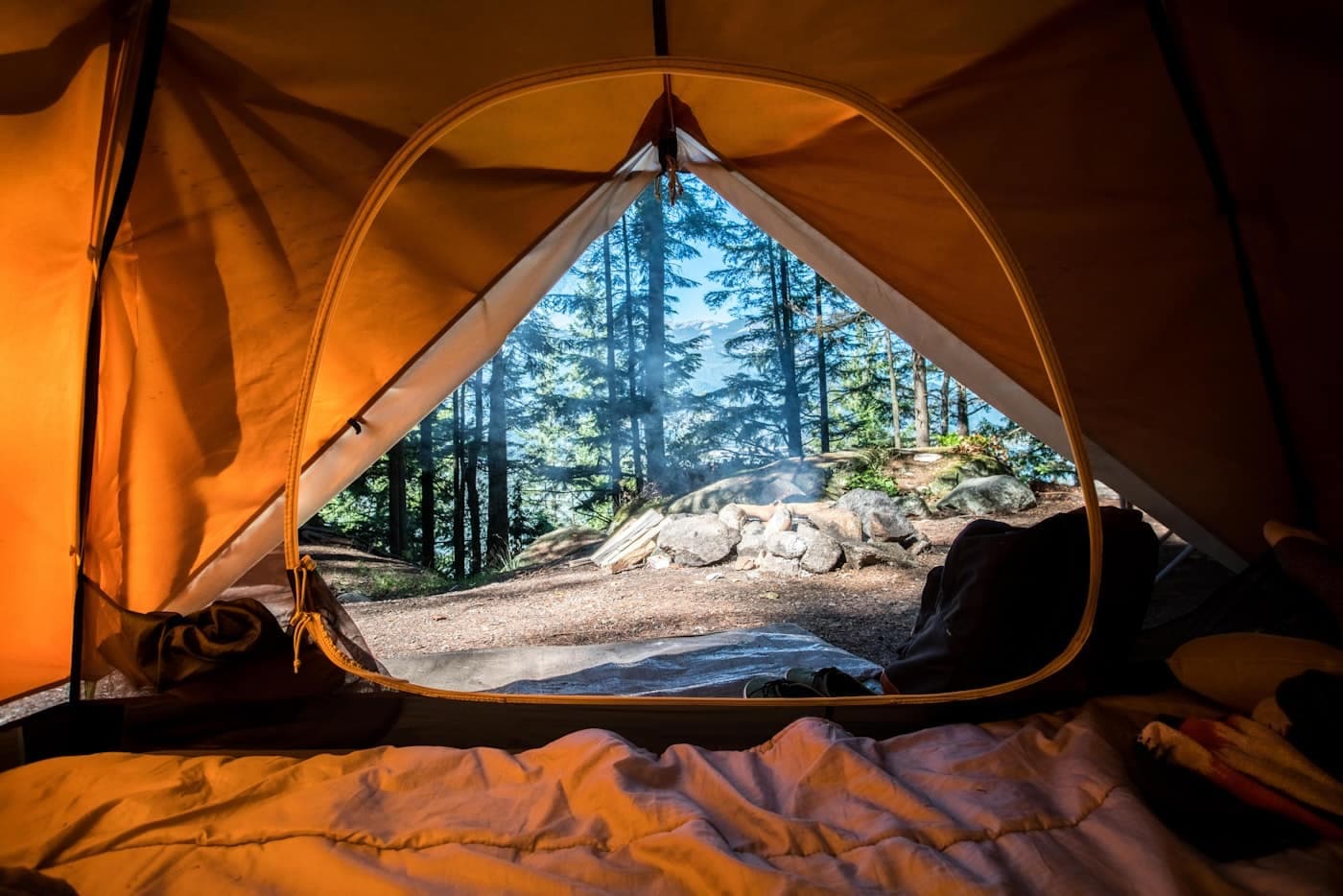
 TOP SELLERmoderate3 Days | 2 Nights
3D/2N Bashleo Pass Trek from Banjar, Himachal Pradesh — guided Himalayan experience with India Holiday Destinations.
GuideMealsCampingPermits
₹12,399
₹9,899
20% OFFEMI starting at ₹3,300/monthi
Explore India's Most Incredible Treks
+91 89887 69444
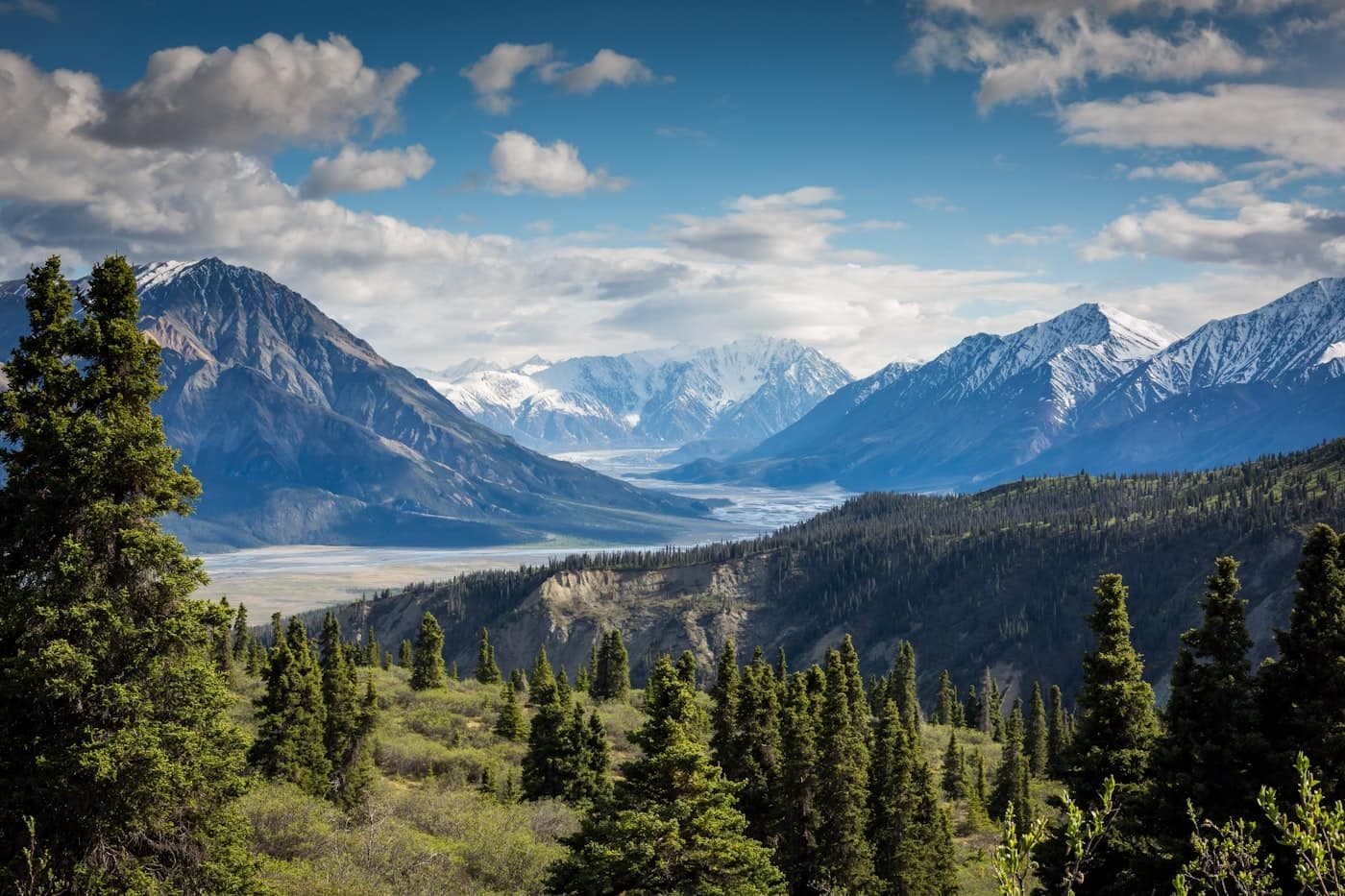
5D/4N Great Himalayan National Park Trek from Banjar, Himachal Pradesh — guided Himalayan experience with India Holiday Destinations.
From
₹14,399/person
Inclusive of all taxes
Secure your spot with just 25% advance
Great Himalayan National Park Trek is a carefully curated Himalayan trek based around Banjar in Himachal Pradesh. Rated moderate with a 5D/4N itinerary, this journey balances scenic walking, safe camping or homestays, and memorable mountain views. India Holiday Destinations handles permits, experienced local guides, me…
Great Himalayan National Park Trek Experience
02:45
Day-by-day plan for Great Himalayan National Park Trek
The trek into the Great Himalayan National Park begins in Gushaini, a trout-fishing village strung along the Tirthan river where guesthouses give way quickly to the park's buffer zone. After registering permits at the eco-zone checkpoint, the trail follows the Tirthan closely, crossing it twice on narrow wooden footbridges as the river alternates between calm turquoise pools and churning rapids fed by glacial melt far upstream. The forest here is exceptionally dense and layered, with towering deodar and horse-chestnut forming a high canopy while ferns, moss, and wild balsam crowd the understorey, a reflection of the park's UNESCO World Heritage status for biodiversity. Birdlife is immediately noticeable, from the flash of a whistling thrush along the riverbank to the distant drumming of a woodpecker somewhere in the canopy, and guides trained by the park department often point out signs of larger, shyer residents like the presence of langur troops moving through the treetops. The trail gains height steadily but without any sustained steep sections, making it an approachable first day despite the distance covered. Small clearings along the way, some used seasonally by graziers before the park's core zone restrictions tightened, offer good rest points with views back down the valley toward Gushaini. As the trail nears Rolla, the forest opens onto a broader shelf beside the river where the Great Himalayan National Park's forest rest facilities and camping ground are located, marking the boundary of the park's more strictly protected inner zones. Camp is set here for the night, with the sound of the Tirthan a constant backdrop, and the evening briefing usually covers the specific conservation rules of the park, including no plastic, no loud noise near wildlife corridors, and strict adherence to marked trails, underscoring that this trek moves through one of the Western Himalaya's most carefully protected ecosystems rather than an open-access route.
Lunch, Dinner
Forest Camp
riverside forest trail, wooden footbridges, ecozone checkpoint
Available
Leaving Rolla, the trail turns sharply upward into the park's core biodiversity zone, where human presence is limited strictly to research and permitted trekking groups, giving the forest an unusually undisturbed feel. Oak and fir forest closes in tightly around the path, and moss-covered boulders and fallen logs line a trail that climbs in relentless switchbacks for much of the morning. This stretch is considered prime habitat for the western tragopan, a rare and strikingly colored pheasant that the park was specifically established to protect, and guides often pause at quiet points to listen for its call, though sightings remain uncommon and prized when they occur. Himalayan black bear signs, from claw marks on tree trunks to overturned rocks, are more frequently noted than actual sightings, and the guide's running commentary on animal tracks becomes one of the day's most engaging features. As the climb continues, the forest composition shifts toward birch and rhododendron, both markers of increasing altitude, and patches of open sky begin to appear through the thinning canopy. The final push to Shilt Thach involves a steep, sustained ascent that tests stamina, but it delivers a genuine reward: a high alpine meadow ringed by forest, with unobstructed views of snow-streaked peaks along the park's inner ridgeline, including glimpses toward the Rakti and Tirthan valley watersheds. Shilt serves as the primary high camp for park treks, and its relative isolation, far from any road or permanent settlement, gives the campsite an unusually pristine and quiet character. Temperatures drop fast once the sun dips behind the ridge, and the group typically settles in early, with the guide outlining plans for the following day's exploration of the surrounding high-altitude terrain, weather permitting.
Breakfast, Packed Lunch, Dinner
Forest Camp
steep forested switchbacks, moss-covered boulders, high meadow clearing
Available
Things to Carry
Level: Moderate fitness · Score 6/10
Prepare with regular walks and stair practice before Great Himalayan National Park Trek.
Customer Reviews
FAQ
Experienced Trek Leaders
Safety First Approach
Quality Equipment
Sustainable Tourism
Local Support
First Aid Available
Premium Himalayan Adventure
Banjar, Himachal PradeshGreat Himalayan National Park Trek
5D/4N Great Himalayan National Park Trek from Banjar, Himachal Pradesh — guided Himalayan experience with India Holiday Destinations.
From ₹14,399/ person
Enquire Now4.8
27 reviews
11k ft
Max altitude
5D / 4N
Moderate
Difficulty
Moderate
Duration
5D / 4N
Best Season
spring, autumn, summer
Trek Distance
35 km
Max Altitude
11,250 Ft (3,429 M)
Group Size
8-12
Great Himalayan National Park Trek is a carefully curated Himalayan trek based around Banjar in Himachal Pradesh. Rated moderate with a 5D/4N itinerary, this journey balances scenic walking, safe camping or homestays, and memorable mountain views. India Holiday Destinations handles permits, experienced local guides, me…
Great Himalayan National Park Trek Experience
02:45
Experienced Trek Leaders
Safety First Approach
Quality Equipment
Sustainable Tourism
Local Support
First Aid Available
Day-by-day plan for Great Himalayan National Park Trek
The trek into the Great Himalayan National Park begins in Gushaini, a trout-fishing village strung along the Tirthan river where guesthouses give way quickly to the park's buffer zone. After registering permits at the eco-zone checkpoint, the trail follows the Tirthan closely, crossing it twice on narrow wooden footbridges as the river alternates between calm turquoise pools and churning rapids fed by glacial melt far upstream. The forest here is exceptionally dense and layered, with towering deodar and horse-chestnut forming a high canopy while ferns, moss, and wild balsam crowd the understorey, a reflection of the park's UNESCO World Heritage status for biodiversity. Birdlife is immediately noticeable, from the flash of a whistling thrush along the riverbank to the distant drumming of a woodpecker somewhere in the canopy, and guides trained by the park department often point out signs of larger, shyer residents like the presence of langur troops moving through the treetops. The trail gains height steadily but without any sustained steep sections, making it an approachable first day despite the distance covered. Small clearings along the way, some used seasonally by graziers before the park's core zone restrictions tightened, offer good rest points with views back down the valley toward Gushaini. As the trail nears Rolla, the forest opens onto a broader shelf beside the river where the Great Himalayan National Park's forest rest facilities and camping ground are located, marking the boundary of the park's more strictly protected inner zones. Camp is set here for the night, with the sound of the Tirthan a constant backdrop, and the evening briefing usually covers the specific conservation rules of the park, including no plastic, no loud noise near wildlife corridors, and strict adherence to marked trails, underscoring that this trek moves through one of the Western Himalaya's most carefully protected ecosystems rather than an open-access route.
Lunch, Dinner
Forest Camp
riverside forest trail, wooden footbridges, ecozone checkpoint
Available
Leaving Rolla, the trail turns sharply upward into the park's core biodiversity zone, where human presence is limited strictly to research and permitted trekking groups, giving the forest an unusually undisturbed feel. Oak and fir forest closes in tightly around the path, and moss-covered boulders and fallen logs line a trail that climbs in relentless switchbacks for much of the morning. This stretch is considered prime habitat for the western tragopan, a rare and strikingly colored pheasant that the park was specifically established to protect, and guides often pause at quiet points to listen for its call, though sightings remain uncommon and prized when they occur. Himalayan black bear signs, from claw marks on tree trunks to overturned rocks, are more frequently noted than actual sightings, and the guide's running commentary on animal tracks becomes one of the day's most engaging features. As the climb continues, the forest composition shifts toward birch and rhododendron, both markers of increasing altitude, and patches of open sky begin to appear through the thinning canopy. The final push to Shilt Thach involves a steep, sustained ascent that tests stamina, but it delivers a genuine reward: a high alpine meadow ringed by forest, with unobstructed views of snow-streaked peaks along the park's inner ridgeline, including glimpses toward the Rakti and Tirthan valley watersheds. Shilt serves as the primary high camp for park treks, and its relative isolation, far from any road or permanent settlement, gives the campsite an unusually pristine and quiet character. Temperatures drop fast once the sun dips behind the ridge, and the group typically settles in early, with the guide outlining plans for the following day's exploration of the surrounding high-altitude terrain, weather permitting.
Breakfast, Packed Lunch, Dinner
Forest Camp
steep forested switchbacks, moss-covered boulders, high meadow clearing
Available
Things to Carry
Level: Moderate fitness · Score 6/10
Prepare with regular walks and stair practice before Great Himalayan National Park Trek.
Customer Reviews
FAQ
TOP SELLERmoderate3 Days | 2 Nights3D/2N Bashleo Pass Trek from Banjar, Himachal Pradesh — guided Himalayan experience with India Holiday Destinations.
₹12,399
₹9,899
20% OFFEMI starting at ₹3,300/monthi
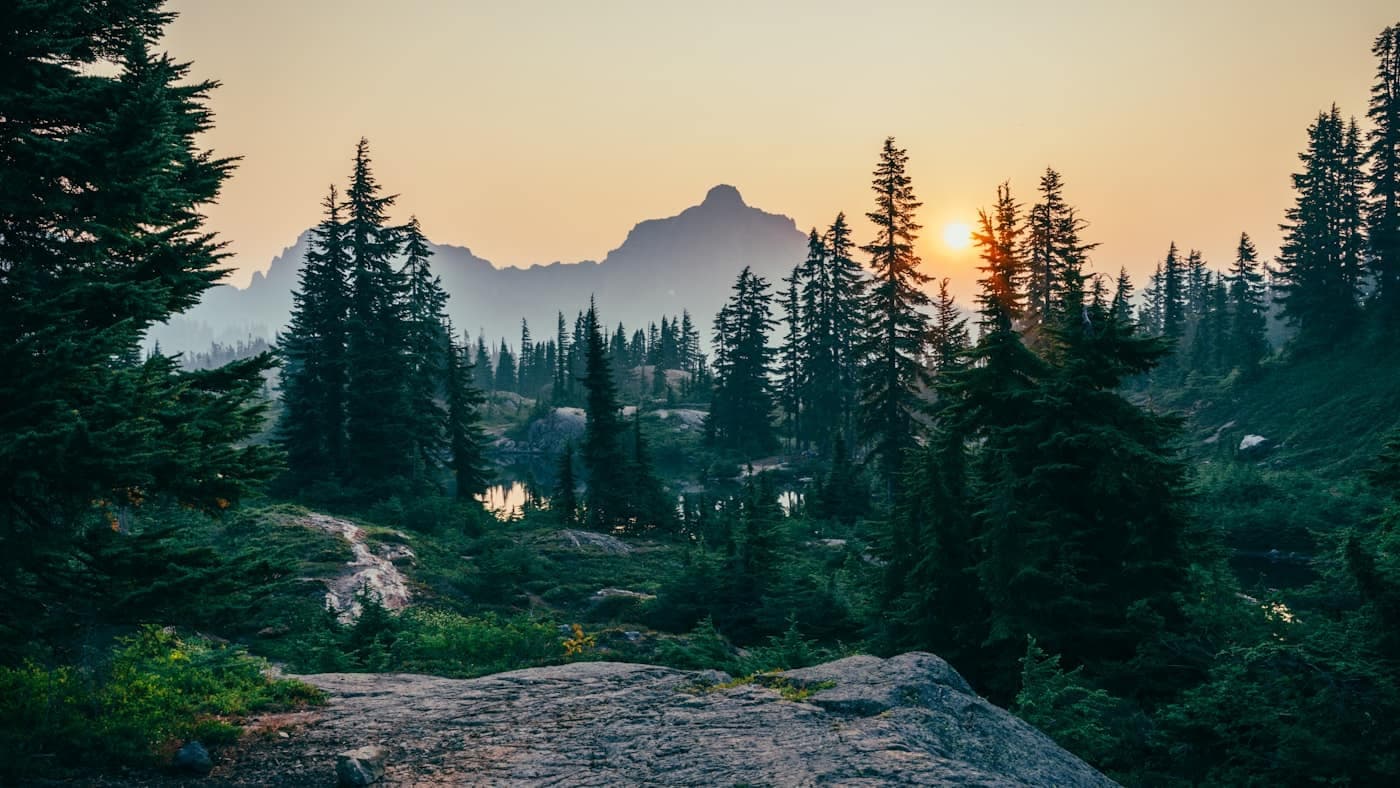 MOST BOOKEDeasy1 Days | 0 Nights
1D Raghupur Fort Trek from Jalori, Himachal Pradesh — guided Himalayan experience with India Holiday Destinations.
₹6,799
₹4,299
37% OFFEMI starting at ₹1,433/monthi
MOST BOOKEDeasy1 Days | 0 Nights1D Serolsar Lake Trek from Jalori Pass, Himachal Pradesh — guided Himalayan experience with India Holiday Destinations.
₹6,799
₹4,299
37% OFFEMI starting at ₹1,433/monthi
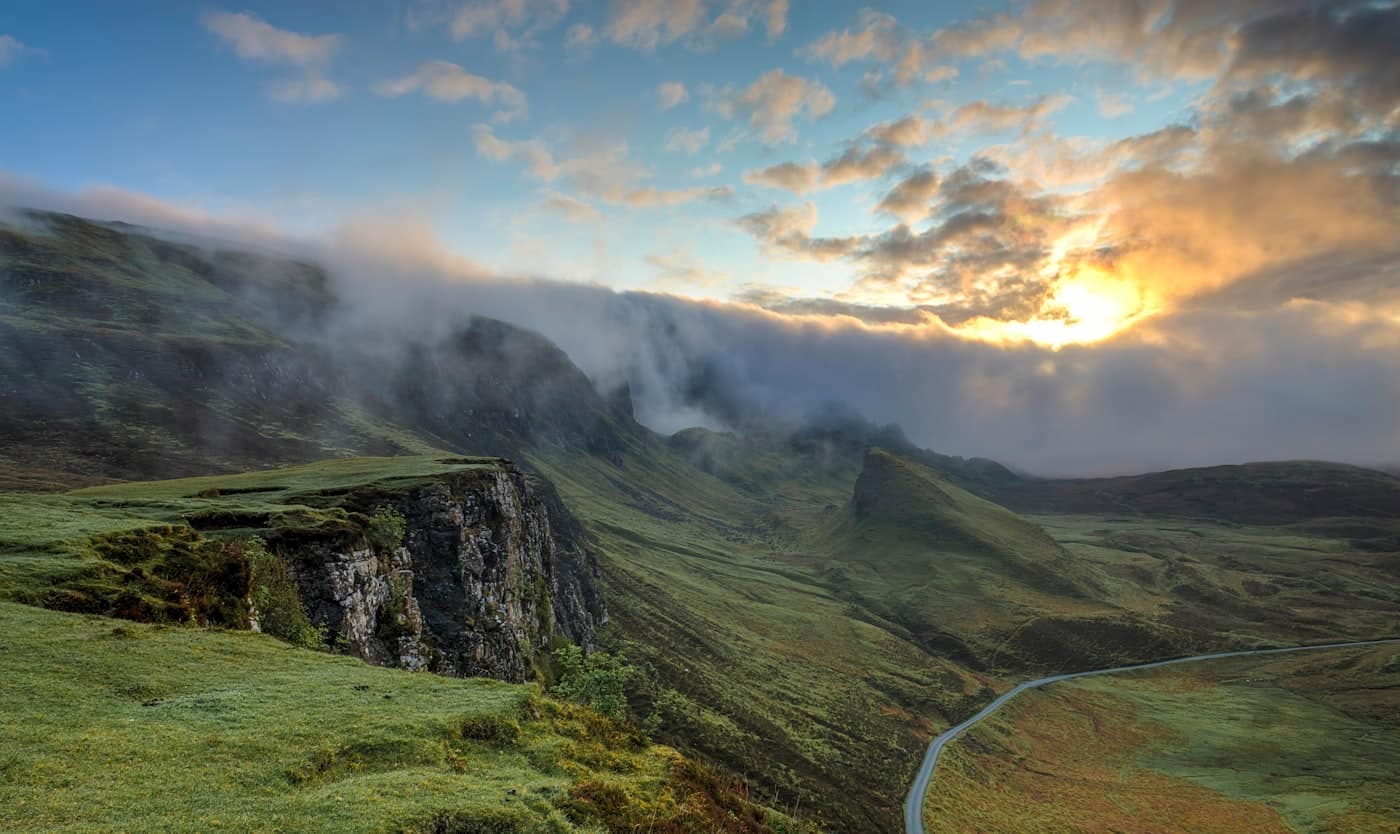 MOST BOOKEDeasy1 Days | 0 Nights
1D Jalori Pass Trek from Banjar, Himachal Pradesh — guided Himalayan experience with India Holiday Destinations.
₹6,799
₹4,299
37% OFFEMI starting at ₹1,433/monthi
Ready for the mountains?
Secure your seat on Great Himalayan National Park Trek or talk to a trek specialist for custom dates and group plans.