


Introduction
If you are researching tirath trek, this long-form guide gathers the decisions that change a trek: season, fitness, permits, day pacing, and exit buffers. Tirath sits in the tirthan belt of Himachal Pradesh, with trail logistics centred on Tirath Trek GHNP trailheads in Great Himalayan National Park buffer, Himachal Pradesh. Difficulty is listed as Moderate, covering roughly 14 km over 2 days, with a high point around 3400 and a working base at Shilt. The trail character: Tirath viewpoint and high meadow above Shilt. This tirath trek walks through overview facts, access, weather, camping, permits, packing, safety, budgets, and a day-wise itinerary drawn only from the Tirath profile—never another trek’s camps. Whether you are a first-timer, a weekend warrior from Delhi/NCR, or returning for a harder variant, use the sections below as a single source of truth before locking non-refundable transfers.
Good to know: Secondary angles covered here include: tirath trek guide, tirath altitude, tirath distance, tirath route, tirath difficulty, and more in the FAQ.
Quick Trek Overview
Use this snapshot as your first filter for Tirath. If the distance, altitude, or season window already feels mismatched to your fitness or leave days, redesign before you book.
| Topic | Practical snapshot |
|---|---|
| Trek | Tirath |
| Region | tirthan, Himachal Pradesh |
| Location / staging | Tirath Trek GHNP trailheads in Great Himalayan National Park buffer, Himachal Pradesh |
| Difficulty | Moderate |
| Distance | 14 km |
| Duration | 2 days |
| Highest altitude | 3400 |
| Base camp / hub | Shilt |
| Best time | May-June; September-October |
| Snowfall window | December-March on high sections |
| Temperature cue | Day 10–20°C on the trail from Shilt; camp nights near Gushaini at 3400 m fall to 0 to 8°C. |
| Nearest rail | Joginder Nagar / Chandigarh |
| Nearest airport | Bhuntar |
| Road access | Aut-Banjar-Gushaini |
| Budget cue | Budget ₹2,300–4,400 · Standard ₹5,700–9,400 · Premium ₹10,900–18,200 |
Tip: For "Tirath Trek", decide whether you need a guided package or self-supported days first—that choice reshapes permits, meals, and porter costs.
Why Choose This Trek
People choose Tirath when they want distinct tirath trek ghnp scenery, without pretending every Himalayan walk is interchangeable. Standout reasons from the field profile:
- Distinct Tirath Trek GHNP scenery
- Clear day-wise planning for blogs
- Practical altitude and camp notes
Compared with neighbouring options (Raktisar GHNP, Chehni Kothi, Rolla GHNP Base), Tirath keeps its own camps, gradients, and cultural rules. If your intent is specifically "Tirath Trek", treat the day sheet later in this guide as non-negotiable sequencing—do not splice in camps from Hampta when you are walking Triund, or Spiti high-desert stages into a forest park route.

Location
Tirath is rooted in Tirath Trek GHNP trailheads in Great Himalayan National Park buffer, Himachal Pradesh, within the broader tirthan trekking corridor of Himachal Pradesh. Staging usually happens around Shilt, where you finalise gear, permits, and early-morning taxis. Map pins lie; elevation gain and trail surface decide whether a “short” km count feels easy. Download offline maps for this corridor and note bailout villages before you climb beyond phone coverage. Road reality for the approach: Aut-Banjar-Gushaini
Good to know: Tirath logistics are tirthan-specific. Do not assume Manali taxi timings apply to a Dharamshala trailhead or Spiti jeep stages.
History
Context for Tirath: Tirath viewpoint, just above Shilt inside Great Himalayan National Park, has long been used by forest rangers as a lookout point over the park’s glaciated core-zone peaks. It remains one of the best accessible panoramas inside the park without a technical climb. Understanding that background helps you respect local rules, temple etiquette, and forest-entry desks that still shape how the trail is walked today. Modern commercial trekking layered onto older shepherd, trade, or pilgrimage paths—so “famous Instagram camps” are often recent overlays on longer cultural routes.
Trail Overview
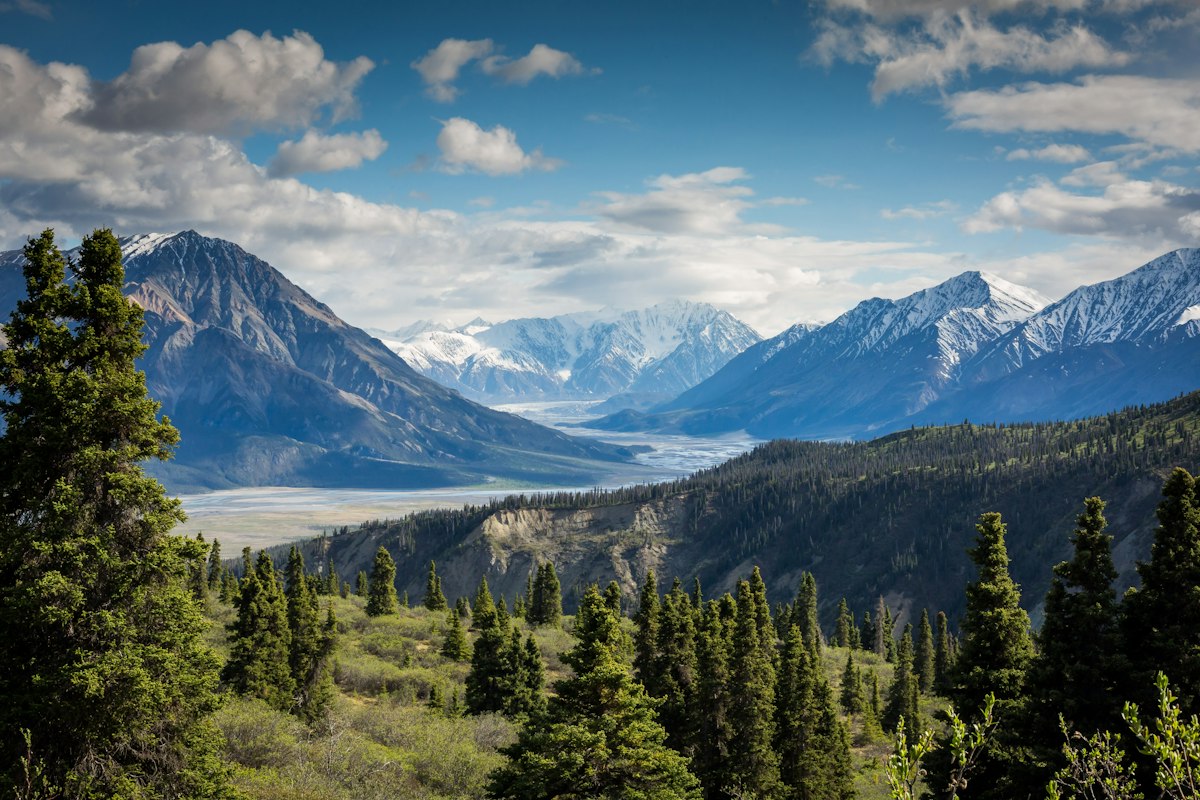
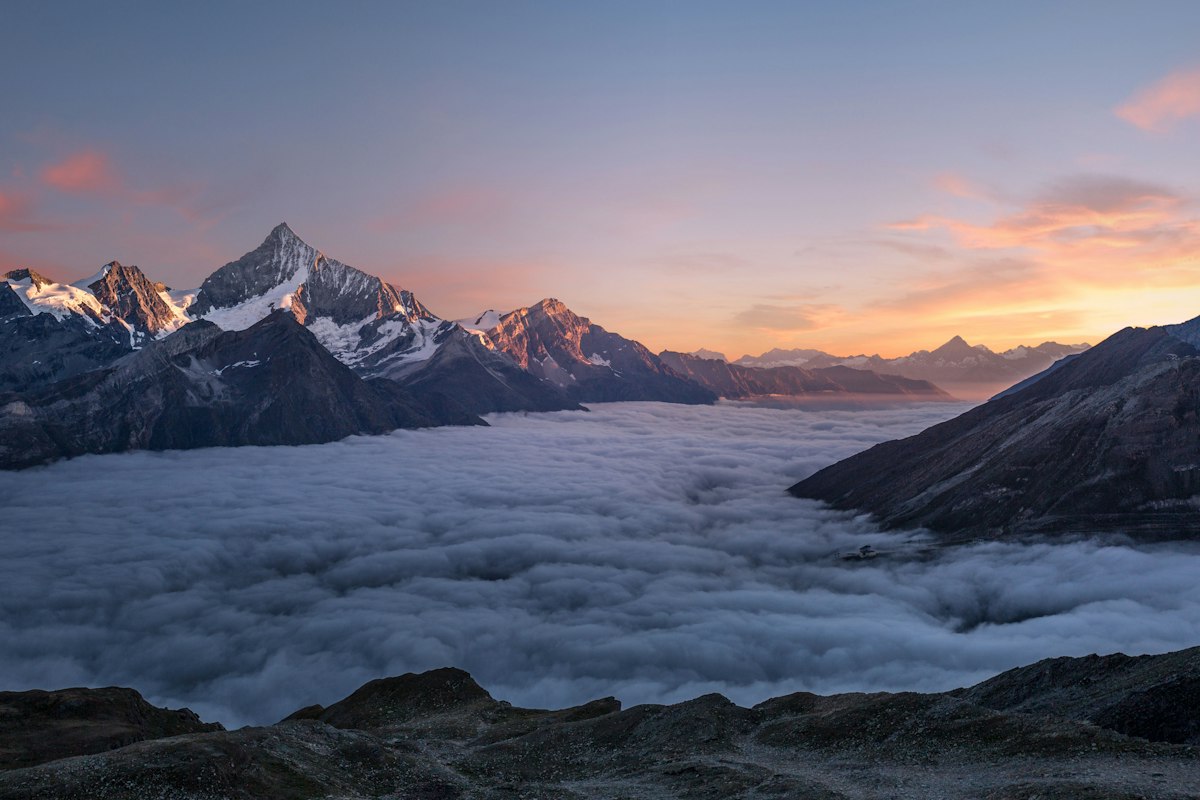
Tirath viewpoint and high meadow above Shilt. Expect a moderate effort across 14 km with a high point near 3400. Terrain changes with season: snow patches, monsoon mud, and autumn frost can rewrite the same GPS track into three different days. Photography highlights along the way include Tirath Trek GHNP at 3400 m in first light; Tirath camp at dusk; Gushaini camp at dusk; Shilt approach and roadhead, and more listed below.
Tip: Walk Tirath at a conversational pace on day one. Hero mileage before you know how your body handles 3400 is how AMS stories start.

Difficulty Level
Tirath is graded Moderate for fair-weather conditions with a typical backpack. Fitness expectation: Build stamina with hill walks beforehand; the 2 days route from Shilt runs 5–7 hours a day up to 3400 m. Altitude and AMS awareness: Mild AMS risk near 3400 m around Gushaini; take it slow on the last climb and report symptoms early.
| Factor | What it means on Tirath |
|---|---|
| Grade | Moderate |
| Duration load | 2 days |
| Distance load | 14 km |
| High point | 3400 |
| Fitness | Build stamina with hill walks beforehand; the 2 days route from Shilt runs 5–7 hours a day up to 3400 m. |
Warning: Do not upgrade difficulty mid-trip by adding an unplanned side ridge after a long stage—fatigue plus altitude is a common accident mix.
Distance, Duration, Highest Altitude & Base Camp
These four numbers decide whether Tirath fits your leave calendar and conditioning. Treat them together—short distance at high altitude can still feel harder than a longer forest walk.
| Metric | Detail |
|---|---|
| Distance | 14 km |
| Duration | 2 days |
| Highest altitude | 3400 |
| Base camp / hub | Shilt |
| Region staging | Tirath Trek GHNP trailheads in Great Himalayan National Park buffer, Himachal Pradesh |
Good to know: Arrive at Shilt with time to sleep before a big climb day. Overnight buses into trailheads are a classic way to start already behind.
Nearest Railway Station
Practical rail access for Tirath: Joginder Nagar / Chandigarh. Treat the train as a comfort stage, then budget a realistic road transfer to Shilt rather than assuming the station exits onto the trailhead. Holiday weeks fill shared taxis quickly after major arrivals—pre-book or travel midweek when you can.
Nearest Airport
Air option: Bhuntar. Himachal strips and nearby hubs can be weather-sensitive; always keep a road backup if you have hard trek start dates. Flying into a larger plains hub and driving onward often feels smoother for groups with heavy kit than clinging to a rare direct flight.
Road Connectivity
Aut-Banjar-Gushaini Mountain ETAs on maps are optimistic. Keep daylight for climbing stretches, full fuel where pumps thin out, and flexibility for landslide or snow advisories. Last-mile taxis to Shilt should be registered; negotiate full-day packages if you need gear drops and pickup buffers.
Tip: Save offline pins for Shilt and a backup taxi number before you lose signal on the climb toward Tirath.
Best Time to Visit
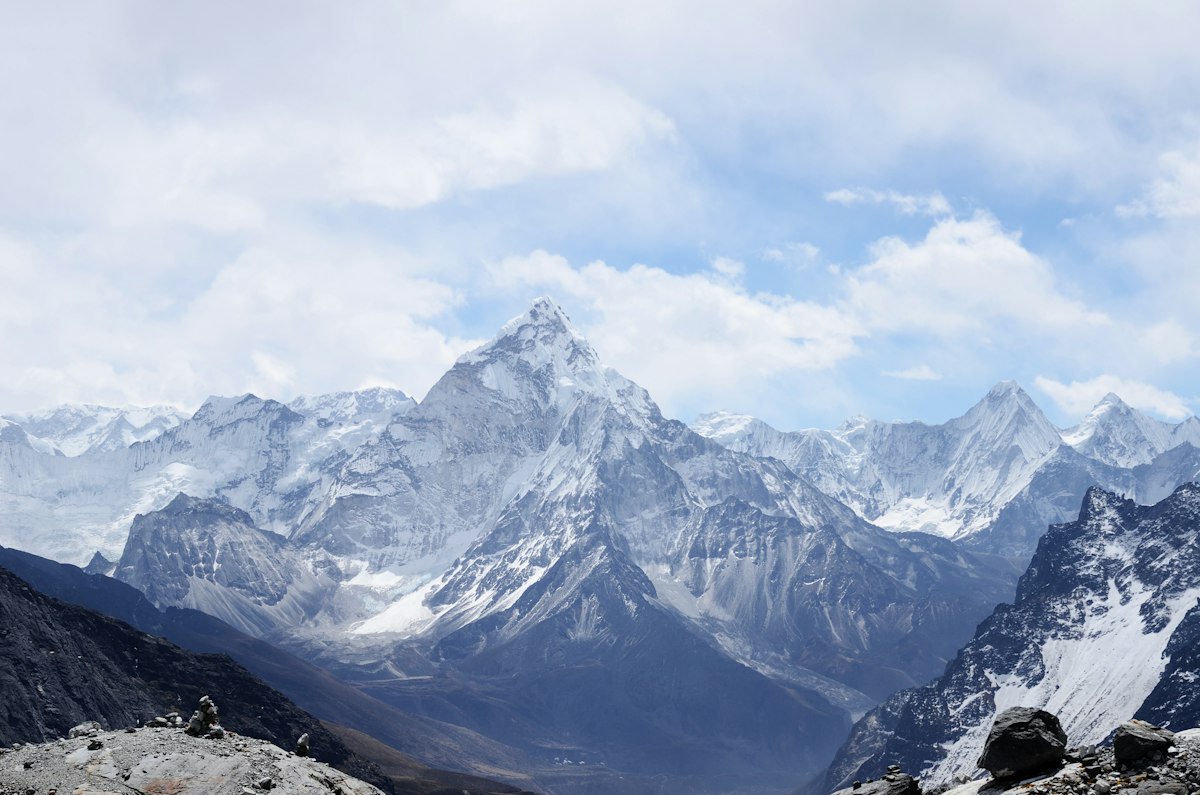
Best windows for Tirath: May-June; September-October. Snowfall tendency: December-March on high sections. Temperature cue for packing: Day 10–20°C on the trail from Shilt; camp nights near Gushaini at 3400 m fall to 0 to 8°C. Festival or long-weekend peaks can fill Shilt stays—book earlier than a plains weekend habit would suggest.
| Season band | Suitability for Tirath | Planning cue |
|---|---|---|
| Spring / early summer | Often strong for first-timers | Watch residual snow on high bits |
| Peak summer holidays | Cool escape, busier camps | Book early, start early |
| Monsoon | Lush but slippery / landslide risk | Flexible cancellations |
| Autumn | Clear ridgelines, photography | Excellent for many grades |
| Winter | Snow drama or closures | Specialist kit / local advice |
Good to know: Month choice for "tirath trek" should follow your main goal—snow play, clear passes, or quiet camping—not a single statewide slogan.
Month Wise Weather
Month-by-month notes for Tirath help you pick leave days that match trail conditions rather than brochure adjectives. Use these as planning cues and re-check local advisories close to departure—Himalayan microclimates shift fast.
| Month | Weather & trail cue |
|---|---|
| January | Snow at the higher points near Gushaini (Tirath Trek GHNP); the lower forest stays cold and quiet |
| February | Cold mornings, clearer midday light through the forest at Gushaini (Tirath Trek GHNP) |
| March | Forest floor dries out and streams near Gushaini (Tirath Trek GHNP) run clear and cold |
| April | Warm days and blooming forest along the trail to Gushaini (Tirath Trek GHNP) |
| May | Best pre-monsoon window; river levels near Gushaini (Tirath Trek GHNP) still manageable |
| June | Rising humidity ahead of the monsoon break over Gushaini (Tirath Trek GHNP) |
| July | Heavy rain, leeches and swollen streams near Gushaini (Tirath Trek GHNP)—go prepared |
| August | Peak monsoon; landslide risk on the approach road to Gushaini (Tirath Trek GHNP) |
| September | Rain tapers off; the forest around Gushaini (Tirath Trek GHNP) is at its greenest |
| October | Best autumn clarity and safe river crossings near Gushaini (Tirath Trek GHNP) |
| November | Cold, dry and still; a quiet season on the trail to Gushaini (Tirath Trek GHNP) |
| December | Light snow possible at the higher points above Gushaini (Tirath Trek GHNP) |
Warning: Do not treat a green “recommended” month as a guarantee of dry ridges; carry a shell year-round on Tirath.
Temperature
Temperature reality for Tirath: Day 10–20°C on the trail from Shilt; camp nights near Gushaini at 3400 m fall to 0 to 8°C. Sunny midday on exposed ridges can flip to wind-chill by late afternoon; camps at 3400 feel colder than base-town forecasts. Pack compressible insulation even in “summer” itineraries—evening tea lines are where under-layered trekkers start to shiver.
Snowfall Months
Typical snowfall / snow-on-trail window for Tirath: December-March on high sections. Even outside peak snow months, shaded gullies can hold hard patches into late spring. If your dates sit inside a snow-prone band, confirm operator experience for this exact route—not a generic “Himachal winter trek” pitch.

Flora & Fauna
Ecology notes for Tirath: The approach from Shilt runs through dense deodar, oak and moss-covered fir inside Great Himalayan National Park, thinning into open alpine meadow and scrub above the tree line on the climb toward Gushaini at 3400 m. Keep an eye out for western tragopan, musk deer and black bear inside the national park buffer. Stay on established paths, pack out all waste, and keep noise down near wildlife corridors—especially in park or sanctuary approaches. Do not feed monkeys or dogs; food conditioning creates conflict at popular camps.
Photography Spots
Tirath rewards photographers who protect golden hour without ignoring safety margins.
- Tirath Trek GHNP at 3400 m in first light — plan light and exit time, not just the frame
- Tirath camp at dusk — plan light and exit time, not just the frame
- Gushaini camp at dusk — plan light and exit time, not just the frame
- Shilt approach and roadhead — plan light and exit time, not just the frame
- Gushaini on the return leg — plan light and exit time, not just the frame
Tip: Shoot, then move. Lingering on exposed ridges after sunset is how Tirath day sheets turn into rescue stories.
Network Availability
Mobile network on Tirath: Coverage in Gushaini/Banjar; none once inside the national park zone Download offline maps, share your day plan with someone not on the trek, and do not rely on last-minute hotel bookings from a ridge with zero bars.
Electricity
Power reality: Available at homestays in Gushaini/Nada; none at park camps Carry a power bank sized for cold nights; charging queues at busy camps waste evening recovery time.
ATM Availability
Cash / ATM cue: ATMs in Banjar and Aut UPI works in many Himachal hubs but fades on remote stretches—keep a cash buffer for tea stalls, local taxis, and forest desks.
Medical Facilities
Medical access: Basic aid in Gushaini; Kullu hospital for serious cases Carry a personal first-aid kit, any prescription meds, and blister care. Know the nearest reliable clinic before you leave Shilt.
Warning: AMS, sprains, and stomach bugs are the common trio. Turning around early is a skill, not a failure, on Tirath.
Camping Experience
Camping on Tirath: Forest rest houses inside GHNP booked through the park office; homestays outside the park Nights are colder than Instagram captions; inspect sleeping-bag ratings and ground insulation, especially near 3400. Prefer permitted or organised camps over improvised clearings that damage fragile alpine belts.
Good to know: If "Tirath Trek" is camping-led, confirm meal inclusions and water sources for each camp night in the day-wise section.
Permits
Permit picture for Tirath: Great Himalayan National Park entry permit booked through the park office at Sai Ropa/Gushaini for the Tirath Trek GHNP route out of Shilt. Carry government ID photocopies, keep digital backups offline, and arrive at desks with time to spare—queues eat morning light.
Forest Entry Fees
Forest / park fee note: GHNP entry and camping fee payable per person per day Fees change; verify current amounts locally rather than trusting a year-old blog number.
Guide Charges
Guide cost cue: ₹2,000–3,600 per day for a local guide Registered local guides matter on exposed, glacier-adjacent, or culturally sensitive routes. Cheap quotes sometimes cut corners on kit and ratios.
Porter Charges
Porter support cue: ₹1,300–2,600 per day per porter load Honest load limits protect both you and the porter. Do not treat porters as unlimited luggage services.
Tip: Get inclusions in writing: permits, forest fees, meals, tents, and pickup points for Tirath.
Packing Checklist
Packing for Tirath should match season and grade, not a generic “Himalaya starter kit” Instagram carousel.
- Sturdy trekking shoes with ankle support
- Layered clothing (base, fleece, windshell)
- Rain jacket and pack cover
- Headlamp with spare batteries
- 1–2 L water bottles or hydration bladder
- Personal first-aid and blister kit
- Leech socks or salt for the forest sections
- Dry bags for electronics in sudden rain
- Sunscreen SPF 50, sunglasses, lip balm
- Trekking poles (recommended on steeps)
Fitness Required
Build stamina with hill walks beforehand; the 2 days route from Shilt runs 5–7 hours a day up to 3400 m. Train with back-to-back weekend hikes and stair sessions if your job is sedentary. One gym week before Tirath is not conditioning.
AMS Guide
Mild AMS risk near 3400 m around Gushaini; take it slow on the last climb and report symptoms early. Hydrate, avoid alcohol the night before big gains, and agree on turnaround symptoms with your group before you leave Shilt.
Things to Carry
Day-pocket and always-with-you items for Tirath:
- Valid ID and trek permits if required
- Cash for remote villages and fees
- Power bank (10,000 mAh+)
- Quick-dry towel and toiletries
- Electrolyte sachets and dry snacks
- Original ID copies for Great Himalayan National Park entry checks
Good to know: Secondary keyword angles such as "tirath trek guide" and "tirath altitude" usually collapse to the same rule: light pack, warm layers, honest fitness.
Safety Guidelines
Safety on Tirath is mostly boring discipline: early starts, weather humility, and refusing ego detours.
- Start early; avoid afternoon storms on exposed ridges
- Never trek alone on remote or snow-bound sections
- Inform someone of your itinerary and expected return
- Respect local customs and leave no trace
- Do not attempt river crossings if water is fast or above knee height
Emergency Contacts
Before you climb, save these cues and local numbers relevant to the tirthan corridor:
- Save local police and nearest PHC numbers before departure
- Carry a charged phone; download offline maps
- Know nearest roadhead and evacuation options
Warning: If weather collapses or a teammate shows AMS signs, descending toward Shilt beats waiting for a perfect summit window.
Nearby Attractions
After Tirath, or on buffer days around Shilt, these nearby attractions fit without inventing a second trek:
- Raju waterfall
- Sai Ropa camps
- Tirthan river angling points
- Jibhi cafes
Nearby Treks
Related treks in the same planning universe (different day sheets—do not mix camps):
- Raktisar GHNP — research its own profile before combining
- Chehni Kothi — research its own profile before combining
- Rolla GHNP Base — research its own profile before combining
- Bashleo Pass Walk — research its own profile before combining
Tip: Combining two treks only works with recovery nights. Stacking summit days back-to-back is how injuries happen.
Budget Breakdown
Budget bands for Tirath (indicative, excluding long-distance flights into Himachal Pradesh):
| Tier | Typical all-in cue |
|---|---|
| Budget | ₹2,300–4,400 |
| Standard | ₹5,700–9,400 |
| Premium | ₹10,900–18,200 |
Also budget separately for: forest fees (GHNP entry and camping fee payable per person per day), guides (₹2,000–3,600 per day for a local guide), porters (₹1,300–2,600 per day per porter load), and personal gear rental if you are not buying for one trek. Cash buffer still matters where ATMs are thin: ATMs in Banjar and Aut
Good to know: Cheapest quote is not always safest. Vet inclusions, guide ratios, and emergency plans for Tirath.
Practical Planning Notes
Groups that finish Tirath happily usually protect one recovery half-day near Shilt and refuse late-night bus arrivals before a big stage. Confirm current road status into Tirath Trek GHNP trailheads in Great Himalayan National Park buffer, Himachal Pradesh the day before you travel; Himachal corridors change with monsoon slides and spring thaw. Share a printed or offline copy of the day-wise sheet with someone not on the trek, including emergency cues: Save local police and nearest PHC numbers before departure; Carry a charged phone; download offline maps. If you are combining Tirath with nearby attractions such as Raju waterfall and Sai Ropa camps, schedule those after the hard days—not between two high stages. Guide and porter expectations should be verbalised at Shilt: load limits, wake-up times, and what “support” includes when weather turns. Food strategy matters as much as footwear—carry snack density for the longest stage (4-5 hours) and do not rely on every tea stall remaining open out of season. Photography goals listed earlier (Tirath Trek GHNP at 3400 m in first light, Tirath camp at dusk) should never override the safety line for descending to Gushaini (1,500 m). Finally, leave Tirath cleaner than you found it: pack out wrappers, avoid soap in streams, and keep music off on quiet forest stretches where wildlife still uses the corridor.
Good to know: Tags for this piece (tirath, ghnp, tirthan) are for discovery—on the trail, only weather, water, and teammates matter.
Day Wise Itinerary
The following days belong only to Tirath. Do not reuse Hampta camps on a Triund plan, or Spiti jeep stages on a forest-park walk. Skim the table on each day, then read the description—terrain notes matter as much as kilometre counts. Total shape: 2 days, 14 km, high point 3400.
Day 1: Shilt to Tirath
| Field | Detail |
|---|---|
| Start | Shilt (3,100 m) |
| End | Tirath (3,400 m) |
| Distance | 7 |
| Altitude | 3400 |
| Elevation gain | +300 m |
| Trek time | 4-5 hours |
| Terrain | Ridge meadow |
| Meals | Village thali if staying over; otherwise a hot camp dinner at Tirath |
| Camp / stay | Alpine tents at Tirath (3,400 m) |
Day hike to Tirath with park guide mandatory.
Weather cue: Cool, damp air along the river near Tirath; carry rain protection regardless of forecast Photography: Wide-angle vantage at Tirath: Ridge meadow Safety: River levels near Tirath can rise quickly after rain—do not cross if water is above the knee
Tip: Start day 1 earlier than the cafe crowd; afternoon cloud is common on Himalayan faces.
Day 2: Tirath to Gushaini long exit
| Field | Detail |
|---|---|
| Start | Tirath (3,400 m) |
| End | Gushaini (1,500 m) |
| Distance | 14 |
| Altitude | 1500 |
| Elevation gain | Long descent |
| Trek time | 6 hours |
| Terrain | Forest |
| Meals | Hot soup on arrival followed by a full dinner spread at Gushaini |
| Camp / stay | Trekker's camp at Gushaini (1,500 m) |
Optional long exit day descending to Tirthan road.
Weather cue: Humid under the forest canopy near Gushaini; showers can arrive with little warning Photography: Sunrise silhouettes at Gushaini: Forest Safety: Check leeches at rest stops before Gushaini and carry salt or repellent in the monsoon window
Tip: Keep rain covers accessible on day 2—showers ignore neat itinerary tables.
FAQs
What is the best time for tirath trek?
For Tirath, the strongest planning window is generally May-June; September-October. Always re-check snow and landslide advisories close to departure.
How difficult is the Tirath?
Tirath is graded Moderate. Fitness cue: Build stamina with hill walks beforehand; the 2 days route from Shilt runs 5–7 hours a day up to 3400 m.
How long is Tirath and what distance should I expect?
Plan for 2 days covering about 14 km, with a high point near 3400.
Where is the base camp for Tirath?
Most itineraries stage from Shilt in the Tirath Trek GHNP trailheads in Great Himalayan National Park buffer, Himachal Pradesh area.
How do I reach Tirath?
Rail via Joginder Nagar / Chandigarh, air via Bhuntar, then road: Aut-Banjar-Gushaini
Do I need permits for tirath trek?
Great Himalayan National Park entry permit booked through the park office at Sai Ropa/Gushaini for the Tirath Trek GHNP route out of Shilt.
What does Tirath cost on a budget?
Indicative bands—budget ₹2,300–4,400, standard ₹5,700–9,400, premium ₹10,900–18,200—plus forest fees, guides, and personal gear.
Is camping available on Tirath?
Forest rest houses inside GHNP booked through the park office; homestays outside the park
What should I pack for tirath trek?
Prioritise Sturdy trekking shoes with ankle support, Layered clothing (base, fleece, windshell), Rain jacket and pack cover, Headlamp with spare batteries, 1–2 L water bottles or hydration bladder, plus the always-carry list: Valid ID and trek permits if required, Cash for remote villages and fees, Power bank (10,000 mAh+), Quick-dry towel and toiletries.
What about AMS on Tirath?
Mild AMS risk near 3400 m around Gushaini; take it slow on the last climb and report symptoms early.
Is there network and electricity on Tirath?
Network: Coverage in Gushaini/Banjar; none once inside the national park zone Electricity: Available at homestays in Gushaini/Nada; none at park camps
Are ATMs and medical help available near Tirath?
ATM: ATMs in Banjar and Aut Medical: Basic aid in Gushaini; Kullu hospital for serious cases
What nearby treks pair well after Tirath?
Common planning neighbours include Raktisar GHNP, Chehni Kothi, Rolla GHNP Base, Bashleo Pass Walk—each with its own day sheet.
Is Tirath good for beginners researching tirath trek?
Only if your conditioning matches a Moderate grade. Consider an easier tirthan trek first if you are new to altitude.
What makes this tirath trek guide different?
It uses the dedicated Tirath profile—unique camps, fees, and day stages—so content is not copy-pasted from another Himachal trek.
Conclusion
Leave Tirath with fewer regrets by protecting buffers, respecting 3400, and refusing itineraries stolen from unrelated valleys. Tirath in the tirthan belt of Himachal Pradesh rewards trekkers who move with the mountain clock—early starts, layered clothing, and turnaround discipline. Use the profile-backed itinerary, budget bands, and safety notes above as your working draft, then adjust on the ground with local advice. When you are ready for the next ridge, browse related Himachal routes on India Holiday Destinations without mixing day sheets across treks.
Book Trek CTA
Ready to walk Tirath? Start with published Himachal departures and filters on India Holiday Destinations.
- Browse Himachal Pradesh treks
- Explore all treks
- Re-read season and packing notes in this tirath trek before you pay
Tip: Message operators with your exact dates, group size, and whether you need porter support—clarity upfront prevents trailhead arguments.
Related Blogs
Continue planning with these internal guides (plausible /blogs slugs for interlinking):
- Tirath Trek
- Tirath Trek Complete Guide
- Tirath Trek Guide
- Tirath Trek Itinerary
- Tirath Trek Cost
- Tirath Trek Packing List
- Tirath Trek Best Time
- Tirthan Treks Guide
- Best Treks Near Tirthan
- Triund Trek Complete Guide
Related Treks
- All treks
- Himachal Pradesh treks
- Nearby names to search on /treks: Raktisar GHNP, Chehni Kothi, Rolla GHNP Base, Bashleo Pass Walk
Schema Suggestions (JSON-LD)
Use these sketches when publishing (validate before going live):
{
  "@context": "https://schema.org",
  "@type": "Article",
  "headline": "Tirath Trek",
  "description": "Tirath trek route overview inside the Tirthan–GHNP corridor with camp pacing tips.",
  "mainEntityOfPage": "/blogs/tirath-trek",
  "keywords": "tirath trek, tirath trek guide, tirath altitude, tirath distance, tirath route, tirath difficulty, tirath best time, tirath how to reach, tirath camping, tirath weather, tirath packing list, tirath cost, tirath itinerary, tirath base camp, tirath permits, tirath fitness",
  "about": "Tirath"
}
{
  "@context": "https://schema.org",
  "@type": "FAQPage",
  "mainEntity": [
    {
      "@type": "Question",
      "name": "What is the best time for tirath trek?",
      "acceptedAnswer": {
        "@type": "Answer",
        "text": "For Tirath, the strongest planning window is generally May-June; September-October. Always re-check snow and landslide advisories close to departure."
      }
    },
    {
      "@type": "Question",
      "name": "How difficult is the Tirath?",
      "acceptedAnswer": {
        "@type": "Answer",
        "text": "Tirath is graded Moderate. Fitness cue: Build stamina with hill walks beforehand; the 2 days route from Shilt runs 5–7 hours a day up to 3400 m."
      }
    },
    {
      "@type": "Question",
      "name": "How long is Tirath and what distance should I expect?",
      "acceptedAnswer": {
        "@type": "Answer",
        "text": "Plan for 2 days covering about 14 km, with a high point near 3400."
      }
    },
    {
      "@type": "Question",
      "name": "Where is the base camp for Tirath?",
      "acceptedAnswer": {
        "@type": "Answer",
        "text": "Most itineraries stage from Shilt in the Tirath Trek GHNP trailheads in Great Himalayan National Park buffer, Himachal Pradesh area."
      }
    },
    {
      "@type": "Question",
      "name": "How do I reach Tirath?",
      "acceptedAnswer": {
        "@type": "Answer",
        "text": "Rail via Joginder Nagar / Chandigarh, air via Bhuntar, then road: Aut-Banjar-Gushaini"
      }
    },
    {
      "@type": "Question",
      "name": "Do I need permits for tirath trek?",
      "acceptedAnswer": {
        "@type": "Answer",
        "text": "Great Himalayan National Park entry permit booked through the park office at Sai Ropa/Gushaini for the Tirath Trek GHNP route out of Shilt."
      }
    },
    {
      "@type": "Question",
      "name": "What does Tirath cost on a budget?",
      "acceptedAnswer": {
        "@type": "Answer",
        "text": "Indicative bands—budget ₹2,300–4,400, standard ₹5,700–9,400, premium ₹10,900–18,200—plus forest fees, guides, and personal gear."
      }
    },
    {
      "@type": "Question",
      "name": "Is camping available on Tirath?",
      "acceptedAnswer": {
        "@type": "Answer",
        "text": "Forest rest houses inside GHNP booked through the park office; homestays outside the park"
      }
    },
    {
      "@type": "Question",
      "name": "What should I pack for tirath trek?",
      "acceptedAnswer": {
        "@type": "Answer",
        "text": "Prioritise Sturdy trekking shoes with ankle support, Layered clothing (base, fleece, windshell), Rain jacket and pack cover, Headlamp with spare batteries, 1–2 L water bottles or hydration bladder, plus the always-carry list: Valid ID and trek permits if required, Cash for remote villages and fees, Power bank (10,000 mAh+), Quick-dry towel and toiletries."
      }
    },
    {
      "@type": "Question",
      "name": "What about AMS on Tirath?",
      "acceptedAnswer": {
        "@type": "Answer",
        "text": "Mild AMS risk near 3400 m around Gushaini; take it slow on the last climb and report symptoms early."
      }
    },
    {
      "@type": "Question",
      "name": "Is there network and electricity on Tirath?",
      "acceptedAnswer": {
        "@type": "Answer",
        "text": "Network: Coverage in Gushaini/Banjar; none once inside the national park zone Electricity: Available at homestays in Gushaini/Nada; none at park camps"
      }
    },
    {
      "@type": "Question",
      "name": "Are ATMs and medical help available near Tirath?",
      "acceptedAnswer": {
        "@type": "Answer",
        "text": "ATM: ATMs in Banjar and Aut Medical: Basic aid in Gushaini; Kullu hospital for serious cases"
      }
    },
    {
      "@type": "Question",
      "name": "What nearby treks pair well after Tirath?",
      "acceptedAnswer": {
        "@type": "Answer",
        "text": "Common planning neighbours include Raktisar GHNP, Chehni Kothi, Rolla GHNP Base, Bashleo Pass Walk—each with its own day sheet."
      }
    },
    {
      "@type": "Question",
      "name": "Is Tirath good for beginners researching tirath trek?",
      "acceptedAnswer": {
        "@type": "Answer",
        "text": "Only if your conditioning matches a Moderate grade. Consider an easier tirthan trek first if you are new to altitude."
      }
    },
    {
      "@type": "Question",
      "name": "What makes this tirath trek guide different?",
      "acceptedAnswer": {
        "@type": "Answer",
        "text": "It uses the dedicated Tirath profile—unique camps, fees, and day stages—so content is not copy-pasted from another Himachal trek."
      }
    }
  ]
}
{
  "@context": "https://schema.org",
  "@type": "BreadcrumbList",
  "itemListElement": [
    {
      "@type": "ListItem",
      "position": 1,
      "name": "Home",
      "item": "/"
    },
    {
      "@type": "ListItem",
      "position": 2,
      "name": "Blog",
      "item": "/blogs"
    },
    {
      "@type": "ListItem",
      "position": 3,
      "name": "Treks",
      "item": "/treks"
    },
    {
      "@type": "ListItem",
      "position": 4,
      "name": "Tirath Trek",
      "item": "/blogs/tirath-trek"
    }
  ]
}

