


Introduction
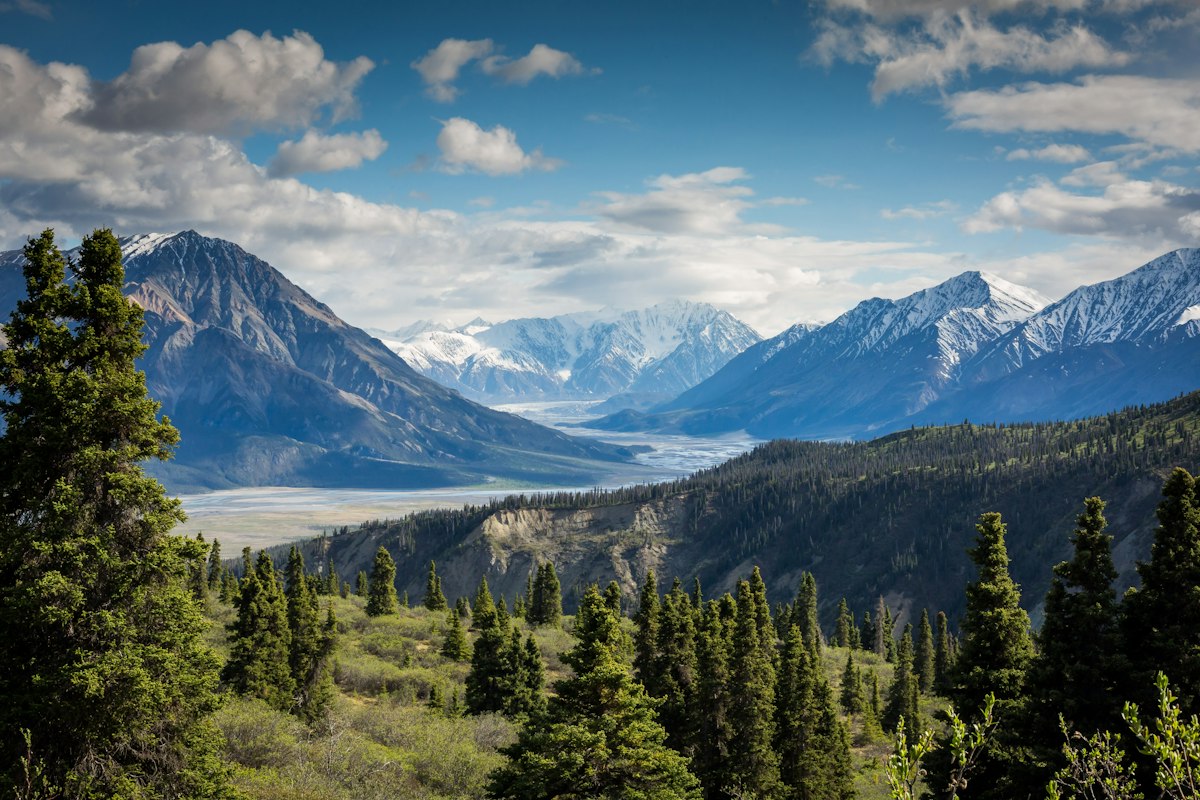
Key Monastery is a field-tested planning companion for travellers who refuse recycled hill-station checklists. Key Monastery sits in Trans-Himalaya / Lahaul-Spiti, Himachal Pradesh, where high-altitude desert logistics with monastery-and-village pacing. Elevation context matters here: Kaza ~3,800 m; villages often higher, so evenings feel cooler than plains forecasts suggest and day trips can climb much higher than your hotel pin. Signature experiences around Key Monastery include Monasteries, Fossil villages, High desert light, and Chandratal (seasonal)—but stacking them without buffers turns a Himalayan break into a taxi marathon. This key monastery walks through seasons, weather, how to reach, attractions, food, stays, budgets, safety, and itineraries that use Key Monastery-specific day plans—not copy-pasted loops from another valley. Whether you are a first-timer, a couple, a family, or a trekker staging from Kaza, use the sections below as a single source of truth before you lock non-refundable tickets.
Good to know: Secondary angles in this guide include: key monastery, kye gompa, spiti, monasteries.
Quick Overview
| Topic | Practical snapshot |
|---|---|
| Destination | Key Monastery, Himachal Pradesh |
| Region | Trans-Himalaya / Lahaul-Spiti |
| Elevation | Kaza ~3,800 m; villages often higher |
| Main hubs | Kaza, Tabo, Losar, Mudh (Pin) |
| Typical stay | 2–4 nights for core; longer for trek or circuit extensions |
| Best seasons | June–September for classic circuit; winter only for experienced travellers |
| Winter note | Extreme cold, limited fuel/food, specialised winter expeditions only |
| Monsoon note | Kinnaur approach can see slides; Manali side better in some windows |
| Nearest airport | Bhuntar / Chandigarh then long road; no valley airport |
| Nearest rail | None in valley — road only |
| Road hub | Manali–Atal–Kaza (summer) or Shimla–Kinnaur–Kaza |
| Signature | Monasteries; Fossil villages; High desert light; Chandratal (seasonal) |
| Daily budget cue | Budget ₹3,000–5,000 · Mid ₹6,000–10,000 · Luxury ₹15,000+ (incl. private vehicle) |
Tip: For "Key Monastery", decide pace first: slow neighbourhood immersion versus packed sightseeing changes hotel location and taxi spend in Key Monastery.
Why Visit
Key Monastery rewards travellers who match their trip personality to the landscape rather than chasing every pinned viewpoint. Primary hubs such as Kaza, Tabo, Losar, Mudh (Pin) let you shape quiet mornings, social evenings, or adventure blocks without rebuilding logistics every day. Families often lean on shorter transfers and reliable stays; couples favour viewpoints and slower cafés; solo travellers appreciate walkable belts and registered operators for activities. Signature draws—Monasteries; Fossil villages; High desert light; Chandratal (seasonal)—work best when you protect one unscheduled half-day for weather and wandering. Nearby escapes (Chandratal, Tabo) extend a Key Monastery base without forcing a full destination change.
Tip: If your intent is specifically "Key Monastery", pair one signature experience with one slower block so the trip does not collapse into a checklist.

Best Time to Visit
Best windows for Key Monastery generally fall in June–September for classic circuit; winter only for experienced travellers, when roads and viewpoints are more predictable for first-timers. Monsoon reality: Kinnaur approach can see slides; Manali side better in some windows. Build flexibility into hotel cancellations if your dates sit inside July–August corridors. Winter character: Extreme cold, limited fuel/food, specialised winter expeditions only. Pack for night drops even when midday sun looks inviting on a phone screen. Festival or adventure peaks can spike rates around Local Gustor at monasteries and Harvest celebrations—book stays earlier than you would for a plains weekend.
| Season band | What it suits in Key Monastery | Planning cue |
|---|---|---|
| Spring / early summer | Clearer walks, first-timers, families | Book weekends early |
| Peak summer holidays | Cool escape from plains heat | Expect crowds at signature spots |
| Monsoon | Lush frames, quieter midweeks | Watch road advisories |
| Autumn | Clear ridgelines, photography | Excellent for circuits |
| Winter | Snow play / festive energy (belt-dependent) | Layers + flexible day trips |
Good to know: Month choice for "key monastery" should follow your main goal—snow, trekking, culture, or cafe downtime—not a single statewide slogan.
Weather
Weather in Key Monastery is shaped by Kaza ~3,800 m; villages often higher and the broader Trans-Himalaya / Lahaul-Spiti pattern—sunny midday can flip to wind-chill by evening. Carry a compressible shell year-round; mountain showers ignore neat calendar labels, and ridge winds feel colder than app screenshots. Monsoon packing should respect kinnaur approach can see slides; manali side better in some windows. Winter travellers should treat extreme cold, limited fuel/food, specialised winter expeditions only as operational guidance, not poetry.
| Season | Day feel | Night feel | Packing cue |
|---|---|---|---|
| Spring | Mild to pleasant | Cool | Fleece + light shell |
| Summer | Pleasant relative to plains | Cool evenings | Layers for sunset points |
| Monsoon | Misty / wet spells | Cool | Rain shell, grippy shoes |
| Autumn | Clear and crisp | Chilly | Warm mid-layer |
| Winter | Cold sun possible | Properly cold | Thermals, gloves, insulated jacket |
Warning: Do not schedule tight same-day connections that ignore fog, landslide advisories, or sudden temperature drops around Key Monastery.
How to Reach
Reaching Key Monastery is less about a single “best” mode and more about matching group size, luggage, and appetite for overnight buses versus staged flights. Most travellers combine a major plains hub with the Manali–Atal–Kaza (summer) or Shimla–Kinnaur–Kaza corridor; last-mile taxis and shared cabs fill gaps that trains cannot.
Road
Road is the default for Key Monastery. Expect mountain average speeds far below plains highway ETAs on maps. Self-drive works for confident mountain drivers who keep daylight for climbing stretches; overnight buses from Delhi/NCR and other North Indian cities save a hotel night if you can sleep sitting up. On long weekends, leave earlier than you think—entry corridors into Himachal slow dramatically by late morning.
Rail
Practical railheads for Key Monastery: None in valley — road only. Treat the train as a comfort stage, then budget a realistic road transfer rather than assuming a station exits onto your hotel lane. Reserve seats early for holiday weeks; shared taxis from railheads fill fast after major arrivals.
Air
Air options: Bhuntar / Chandigarh then long road; no valley airport. Verify current schedules—smaller Himachal strips can be weather-sensitive—and pre-book the road leg so you are not negotiating fares with tired kids and heavy bags. Flying into a larger hub and driving onward often feels smoother for families than clinging to a rare direct flight.
Local Transport
Inside Key Monastery, movement usually mixes walking in Kaza belts, local buses where they exist, and registered taxis for day trips toward Chandratal. Negotiate full-day taxi packages when you plan multiple stops; piecemeal rides add up and waste bargaining energy. Download offline maps; network pockets fade on forest and high-pass approaches.
Tip: Save your hotel’s pin and a backup taxi number before you lose signal on the climb into Key Monastery.

Top Attractions
Attractions around Key Monastery are best experienced in geographic clusters so you are not crossing the same ridge twice in one afternoon. Prioritise what matches "Key Monastery" rather than trying to “finish” every pin on a borrowed list from another destination.
- Key Monastery — Cliffside monastic complex above Spiti river
- Kibber — High village with wildlife chance
- Langza — Buddha statue and fossil lore
- Hikkim — World's highest post office lore
- Komic — Among the highest motorable villages
- Chandratal — Turquoise high lake (seasonal access)
- Pin Valley — National park side valley wilderness
Good to know: Pick three to five attractions that match your energy—depth in Key Monastery beats a rushed loop of half-seen viewpoints.
Things To Do
Things to do in Key Monastery go beyond photo stops: paced walks, food trails, short nature blocks, and one signature adventure or culture half-day. Balance one active block and one slow block each day so altitude, traffic, or cafe queues do not flatten your mood.
- Monastery circuit — plan it as a timed block, not an afterthought
- Village homestays — plan it as a timed block, not an afterthought
- Astro nights — plan it as a timed block, not an afterthought
- Slow photography drives — plan it as a timed block, not an afterthought
Add buffer time for Kaza and Tabo wandering; some of the best Key Monastery memories are unscheduled street corners and sudden clearings in the clouds. If travelling with elders or kids, shorten transfer days and keep one backup indoor plan (cafe, museum, or hotel lounge) for weather.
Tip: For key monastery, write a “must / maybe / skip” list the night before—mountain days punish overpacking.
Adventure Activities
Key Monastery adventure options are destination-specific: High-altitude treks, Wildlife spotting, Winter frozen river routes (expert). Always use registered operators, inspect helmets and life jackets where relevant, and avoid stacking high-adrenaline add-ons on the same evening you arrive exhausted from an overnight bus. Seasonality matters—rafting, snow sports, and high day trips open and close with water levels, permits, and snow lines, not with brochure promises.
| Activity idea | Notes for Key Monastery |
|---|---|
| High-altitude treks | Confirm operator gear, season window, and pickup point |
| Wildlife spotting | Confirm operator gear, season window, and pickup point |
| Winter frozen river routes (expert) | Confirm operator gear, season window, and pickup point |
Warning: Never skip briefings or insurance questions for adventure desks around Key Monastery—cheap quotes sometimes cut corners on kit.
Trekking
Trekking near Key Monastery centres on routes such as Pin Parvati (expert), Demul–Lalung style village walks, Chandratal approaches. These are not interchangeable with treks from other Himachal hubs—approach roads, permit desks, and exit villages differ, so download offline maps for this corridor specifically. Spring and autumn usually offer clearer footing; monsoon trails can be lush but slippery, and winter routes may need specialised support.
- Pin Parvati (expert) — verify current trail status and guide requirements before you pay
- Demul–Lalung style village walks — verify current trail status and guide requirements before you pay
- Chandratal approaches — verify current trail status and guide requirements before you pay
Tip: Start early from Key Monastery; afternoon cloud build-up is common on Himalayan ridgelines.

Camping
Camping options linked to Key Monastery include Chandratal camps (regulated season); Homestay over camping in villages. Prefer organised or permitted camps over improvised forest clearings—illegal campfires and litter attract fines and damage fragile belts. Nights are colder than town centres; check bedding quality, toilet access, and emergency vehicle reach before you book Instagram-pretty meadows.
- Chandratal camps (regulated season)
- Homestay over camping in villages
Good to know: If "Key Monastery" leans camping, confirm season windows and whether meals/transfers are included in the camp quote.
Food Guide
Food in Key Monastery mixes Himachali comfort with whatever cafe and traveller culture the hubs support. Local flavours worth seeking: Thukpa, Butter tea, Simple veg thalis, Homestay kitchens. Busy kitchens with steady turnover are safer bets in peak weeks; ask about stock bases if you have dietary restrictions. Carry a small snack buffer for long day trips where restaurants thin out beyond Kaza.
- Try Thukpa at least once—ask locals for the busy, unfussy kitchen rather than the flashiest façade
- Try Butter tea at least once—ask locals for the busy, unfussy kitchen rather than the flashiest façade
- Try Simple veg thalis at least once—ask locals for the busy, unfussy kitchen rather than the flashiest façade
- Try Homestay kitchens at least once—ask locals for the busy, unfussy kitchen rather than the flashiest façade
Tip: Eat your bigger meal midday if evenings get cold and restaurants wind down early outside main tourist belts in Key Monastery.
Shopping Guide
Shopping around Key Monastery is practical when you know what the region actually produces versus generic souvenir plastic. Look for: Local wool; Apricot products; Monastery shop crafts. Compare quality, ask about materials, and avoid perishable foods that will not survive the journey home in summer heat.
- Local wool — check finish quality and return policies before paying cash-only stalls
- Apricot products — check finish quality and return policies before paying cash-only stalls
- Monastery shop crafts — check finish quality and return policies before paying cash-only stalls
Budget
Indicative per person per day ranges for Key Monastery (excluding long-distance Delhi/Chandigarh transport) sit around budget ₹3,000–5,000, mid-range ₹6,000–10,000, and luxury ₹15,000+ (incl. private vehicle). Private full-day taxis and adventure add-ons are usually the biggest variables after hotels. Shoulder weekdays beat Saturday surge pricing; couples sharing a room and taxi drop per-person averages significantly.
| Style | Daily cue (Key Monastery) | What moves the number |
|---|---|---|
| Budget | ₹3,000–5,000 | Shared transport, simple stays, walking hubs |
| Mid-range | ₹6,000–10,000 | Boutique stays, private day taxi, cafe meals |
| Luxury | ₹15,000+ (incl. private vehicle) | View rooms, private vehicle, premium experiences |
Good to know: For "key monastery", write a hard ceiling before you browse hotels—Himachal upsells are endless once you arrive tired.
Hotels
Hotel strategy in Key Monastery is location strategy. Staying near Kaza maximises walkability; quieter belts trade nightlife for sleep and parking. Read recent reviews for heating, hot water, and actual walking time with luggage—altitude nights punish thin bedding and damp monsoon rooms.
Luxury
Luxury and boutique picks around Key Monastery often include: Limited — best boutique hotels in Kaza. Confirm view category, heating type in winter, and whether airport/rail transfers are included. Holiday weeks spike; refundable rates are worth the premium if snowfall or road status could shift plans.
Mid Range
Solid mid-range bases: Kaza hotels; Tabo guesthouses. This tier usually balances comfort and access for first-timers doing mixed sightseeing and cafe time.
Budget
Budget stays cluster around: Village homestays; Basic Kaza rooms. Inspect locker safety for solo travellers, blanket quality in winter, and noise from early bus yards. Saving on stay often works if you invest in one well-planned full-day taxi instead of many short rides.
Photography Tips
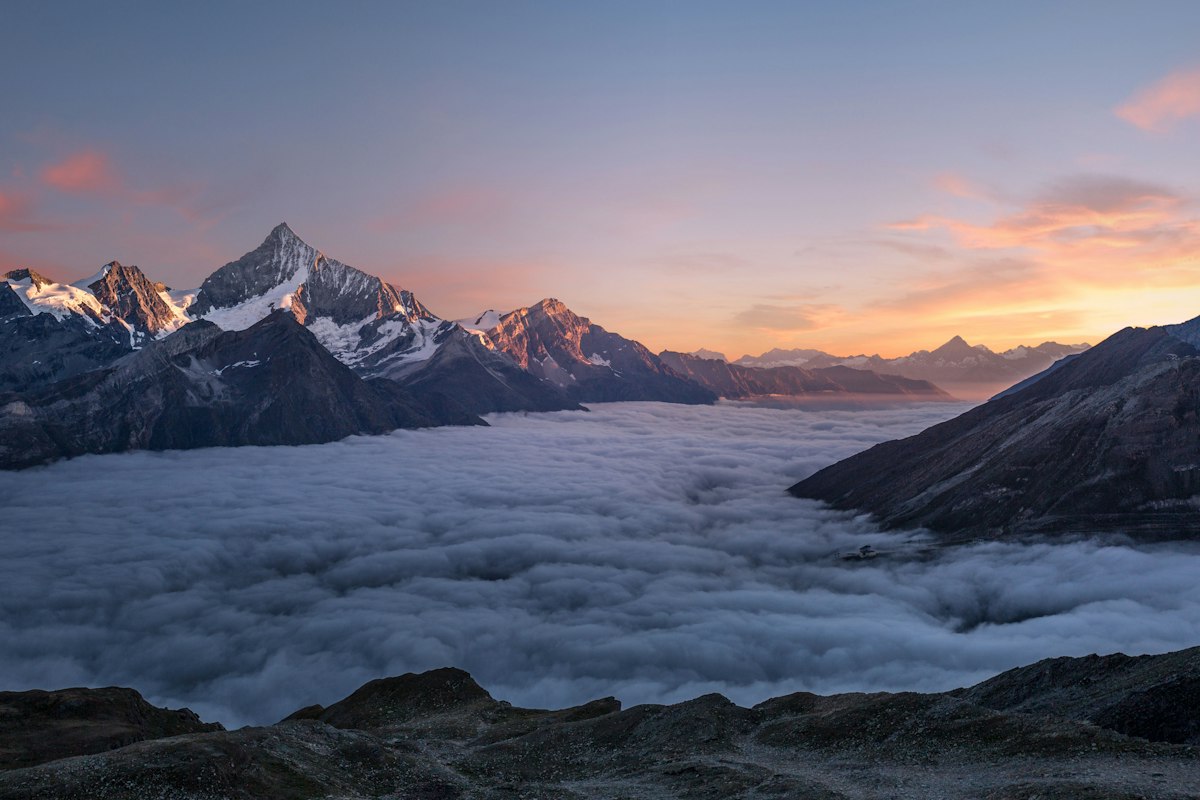
Photography around Key Monastery shines when you chase light, not only landmarks. Strong frames often include: Key monastery layers; Langza Buddha against peaks; Milky Way over high desert. Carry a microfibre cloth for misty lenses, secure straps near monkeys or windy ridges, and shoot early before tourist buses dominate popular pins.
- Key monastery layers — visit at golden hour when possible
- Langza Buddha against peaks — visit at golden hour when possible
- Milky Way over high desert — visit at golden hour when possible
Tip: One slow sunrise beat ten rushed midday snaps in Key Monastery.
Packing Tips
Packing for Key Monastery should follow elevation and season, not fashion week packing cubes. Core cues from this destination: High SPF, Down jacket even in summer nights, Diamox consult, Power bank.
-
Layered clothing: base, fleece, windproof/rain shell
-
Grippy walking or trek shoes (avoid smooth-sole sneakers on wet slopes)
-
Compact rain cover even outside peak monsoon weeks
-
Thermals, gloves, and beanie for winter or high day trips
-
Sunscreen, sunglasses, lip balm (UV is stronger at altitude)
-
Power bank, medicines, ORS, personal first-aid
-
Cash + UPI; some village stalls prefer one or the other
-
IDs for hotels, checkposts, and adventure forms
-
Destination-specific: High SPF
-
Destination-specific: Down jacket even in summer nights
-
Destination-specific: Diamox consult
-
Destination-specific: Power bank
Safety Tips
Safety around Key Monastery is generally manageable with ordinary mountain caution—footing, weather, registered taxis, and respect for local rules. Destination-specific notes: Acclimatise in Kaza before higher villages; Fuel planning; No reckless night driving.
- Acclimatise in Kaza before higher villages
- Fuel planning
- No reckless night driving
Warning: On mountain roads near Key Monastery, seatbelts matter, night driving is riskier in fog, and river edges are not photo props after rain.
Nearby Attractions
Day trips from Key Monastery extend your trip without relocating bags every night—keep fuel, snack, and weather buffers honest.
| Place | Approx. from Key Monastery | Why go |
|---|---|---|
| Chandratal | seasonal from Batal/Kunzum | Lake day or overnight |
| Tabo | ~47 km from Kaza | Ancient monastery art |
Good to know: Do not stack every nearby pin into one exhausted day—Key Monastery rewards return visits to the same ridge in better light.
Suggested Itinerary
These outlines are unique to Key Monastery using this destination’s own day building blocks—not recycled Manali/Dalhousie/Spiti templates. Shift adventure blocks if weather turns; protect sleep on arrival night.
1 Day
If you only have one full day in Key Monastery: Arrive Kaza, rest, short town walk only. Keep transfers short and leave a weather buffer before dark.
2 Days
Day 1: Arrive Kaza, rest, short town walk only. Day 2: Key–Kibber–Langza loop (if acclimatised). This pace suits weekenders who refuse to spend half their trip inside a taxi.
3 Days
Day 1: Arrive Kaza, rest, short town walk only. Day 2: Key–Kibber–Langza loop (if acclimatised). Day 3: Hikkim–Komic OR Tabo / Pin direction. Three days is the sweet spot for most first-timers exploring Kaza and Tabo.
Tip: Customise "Key Monastery" by swapping Day 3 for a nearby trip to Chandratal if skies are clear.
Best Places To Eat
Reliable eating cues in Key Monastery include: Kaza cafes; Homestay dinners. Hotel restaurants help on cold nights; cafe belts suit weather buffers and laptop-free afternoons. Ask for Himachali thali elements when you want a break from pan-Indian tourist menus.
- Kaza cafes — go early on weekends to skip queues
- Homestay dinners — go early on weekends to skip queues
Best Time For Snowfall
Snow expectations for Key Monastery: Winter transforms Spiti; summer snow patches linger on high passes. Never treat snowfall as guaranteed on a fixed calendar date—keep refundable stays if white landscapes are your only goal. Higher belts and passes usually see snow more often than valley floors; confirm road status before chasing fresh powder at dawn.
Good to know: Photographers should carry spare batteries—cold drains power fast on snow days near Key Monastery.
Local Festivals
Festival energy around Key Monastery may include: Local Gustor at monasteries, Harvest celebrations. Expect crowded transport, surge hotel rates, and richer cultural frames—book early and dress modestly at temple-linked celebrations. If your key monastery coincides with a fair, build buffer days rather than same-day exits.
- Local Gustor at monasteries — confirm exact dates yearly; lunar calendars shift
- Harvest celebrations — confirm exact dates yearly; lunar calendars shift
Hidden Gems
Quieter corners near Key Monastery include: Quiet side valleys near Demul; Pin Valley dawn light. “Hidden” often means early starts and weekday visits rather than secret GPS pins that destroy fragile meadows. Carry out all trash and stay on marked paths—offbeat popularity dies when trails get trashed.
- Quiet side valleys near Demul
- Pin Valley dawn light
Travel Tips
Small systems—offline maps, snack buffers, registered taxis—save more trips in Key Monastery than any viral “hack”.
- Decide your base among Kaza, Tabo, Losar, Mudh (Pin) before you book non-refundable rooms.
- Start day trips early; viewpoint parking and taxi demand spike by late morning.
- Keep layers handy—Kaza ~3,800 m; villages often higher means evenings cool fast.
- Carry both UPI and cash for stalls and parking attendants.
- Note taxi numbers before long loops toward Chandratal.
- Respect local temple and village rules; ask before photographing people.
- Check road status apps and hotel WhatsApp groups during monsoon and winter.
- If prone to motion sickness, sit forward on hill roads and pack medicine.
- Download offline maps for Trans-Himalaya / Lahaul-Spiti dead zones.
- Leave one half-day unscheduled—weather will use it.
Tip: Re-read safety notes for Key Monastery the night before any high day trip or trek.
FAQs
How many days are enough for Key Monastery?
Most travellers enjoy 2–3 full days for core hubs (Kaza and Tabo). Add nights if you plan treks, snowfall chasing, or multiple nearby drives.
What is the best time to visit Key Monastery?
Primary windows are June–September for classic circuit; winter only for experienced travellers. Monsoon means kinnaur approach can see slides; manali side better in some windows Winter means extreme cold, limited fuel/food, specialised winter expeditions only
How do I reach Key Monastery?
Typical access mixes Bhuntar / Chandigarh then long road; no valley airport for air, None in valley — road only for railheads, and the Manali–Atal–Kaza (summer) or Shimla–Kinnaur–Kaza road corridor. Pre-book last-mile taxis on long weekends.
Where should first-timers stay in Key Monastery?
First-timers usually prefer Kaza for orientation, or a quieter mid-range stay if they dislike slopes with luggage. Match location to whether you want walkability or silence.
Is Key Monastery good for families?
Yes if you keep transfer days short, choose reliable heating in winter, and avoid stacking every attraction into one exhausted loop. Kid-friendly pacing beats covering every pin.
What are the top things to do in Key Monastery?
Start with Monastery circuit, Village homestays, Astro nights, then add one adventure or day trip if energy remains.
What should I budget per day in Key Monastery?
Rough cues: budget ₹3,000–5,000, mid ₹6,000–10,000, luxury ₹15,000+ (incl. private vehicle), excluding long-distance transport into Himachal.
What food should I try in Key Monastery?
Look for Thukpa, Butter tea, Simple veg thalis, Homestay kitchens. Busy local kitchens usually beat the flashiest tourist façades.
What are good day trips from Key Monastery?
Popular options include Chandratal (seasonal from Batal/Kunzum), Tabo (~47 km from Kaza).
Is Key Monastery safe for solo travellers?
Generally yes in daylight tourist belts with normal precautions. Use registered taxis at night, keep valuables discreet, and share live location on longer hikes.
What makes this key monastery different from generic lists?
It uses Key Monastery-specific hubs, attractions, day plans, and budgets from a dedicated destination profile—so itineraries do not accidentally copy another Himachal valley.
How do I plan "Key Monastery" in one weekend?
Arrive night before if possible, follow the 2-day outline (Arrive Kaza, rest, short town walk only then Key–Kibber–Langza loop (if acclimatised)), and keep one weather buffer activity indoors.
Does it always snow in Key Monastery?
Winter transforms Spiti; summer snow patches linger on high passes
Can beginners trek near Key Monastery?
Short routes and guided options around Pin Parvati (expert) can suit fitness-aware beginners in fair weather. High passes need preparation—do not treat them as casual walks.
What should I pack for Key Monastery?
Prioritise High SPF, Down jacket even in summer nights, Diamox consult, Power bank, plus universal mountain layers, grippy shoes, and rain protection.
Schema Suggestions & Internal Links
Use these JSON-LD sketches when publishing (validate before going live):
{
  "@context": "https://schema.org",
  "@type": "FAQPage",
  "mainEntity": [
    {
      "@type": "Question",
      "name": "How many days are enough for Key Monastery?",
      "acceptedAnswer": {
        "@type": "Answer",
        "text": "Most travellers enjoy 2–3 full days for Key Monastery, longer for treks or circuits."
      }
    },
    {
      "@type": "Question",
      "name": "What is the best time to visit Key Monastery?",
      "acceptedAnswer": {
        "@type": "Answer",
        "text": "June–September for classic circuit; winter only for experienced travellers"
      }
    }
  ]
}
{
  "@context": "https://schema.org",
  "@type": "BreadcrumbList",
  "itemListElement": [
    {
      "@type": "ListItem",
      "position": 1,
      "name": "Home",
      "item": "/"
    },
    {
      "@type": "ListItem",
      "position": 2,
      "name": "Blog",
      "item": "/blogs"
    },
    {
      "@type": "ListItem",
      "position": 3,
      "name": "Key Monastery",
      "item": "/destinations/spiti"
    },
    {
      "@type": "ListItem",
      "position": 4,
      "name": "Key Monastery",
      "item": "/blogs/key-monastery-guide"
    }
  ]
}
{
  "@context": "https://schema.org",
  "@type": "BlogPosting",
  "headline": "Key Monastery",
  "description": "Visit timing, photography etiquette, and combining Key Monastery with Kibber and Kaza.",
  "mainEntityOfPage": "/blogs/key-monastery-guide",
  "keywords": "key monastery, key monastery, kye gompa, spiti, monasteries"
}
Internal linking suggestions
Blogs
- Key Monastery related reading
- Browse more guides on India Holiday Destinations blogs
- Pair this piece with other Trans-Himalaya / Lahaul-Spiti stories as they publish
Treks
- Explore all treks
- Filter Himachal Pradesh treks
- Look for published routes related to Pin Parvati (expert) when available on /treks
Destinations
- Key Monastery destination page
- Statewide context: Himachal Pradesh
Conclusion
Bookmark this key monastery, share it with your group, and re-check road or snowfall updates locally before locking non-refundable plans. Key Monastery in Trans-Himalaya / Lahaul-Spiti rewards travellers who move with the mountain clock—early light, honest transfer times, and one unscheduled window for weather. Use the profile-backed itinerary blocks, food cues, and safety notes above as your working draft, then adjust on the ground. When you are ready to extend the trip, browse Himachal treks and destination pages on India Holiday Destinations for the next leg of the circuit.

